
US pauses visa processing for 75 countries, citing public benefit risk
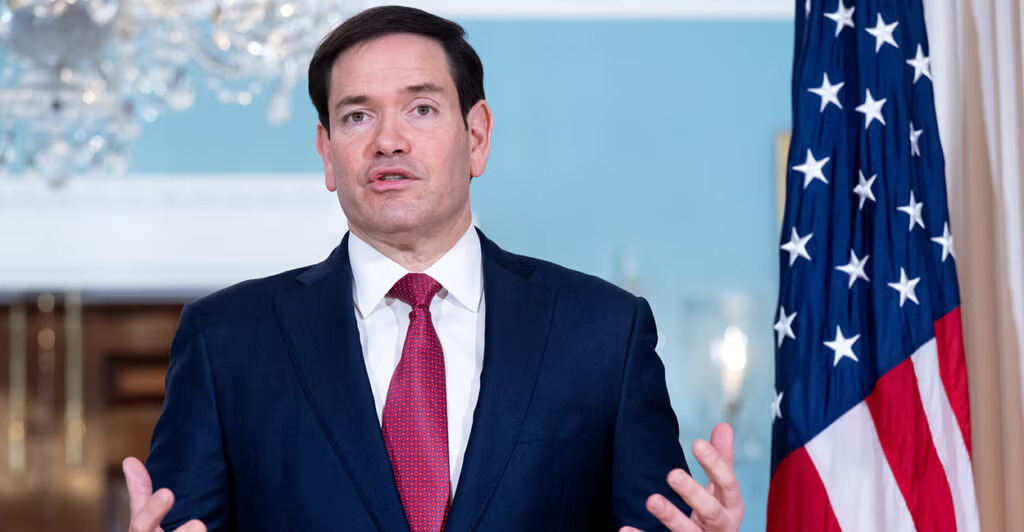
The United States announced a sweeping pause in visa processing for 75 countries. The decision came on Wednesday. The Donald Trump–led administration said it will halt immigrant visa processing for certain nationalities. Officials cited concerns about a “high risk of public benefits usage.”
According to the Department of State, the pause takes effect from January 21. The order applies to immigrant visas. It does not announce a blanket travel ban. However, it tightens entry rules for affected countries.
First, the government outlined the policy goal. Officials said the move aims to protect public resources. They argued that immigration systems must align with fiscal responsibility. As a result, visa processing will stop for applicants from the listed countries until further notice.
Next, the State Department clarified the scope. The pause targets immigrant visas. That category includes visas for permanent residence. Authorities did not announce timelines for review or rollback. They also did not specify exemptions beyond standard humanitarian and diplomatic channels.
Meanwhile, the list drew attention for its breadth. The affected countries span South Asia, West Asia, Africa, Eastern Europe, the Caribbean, and parts of Latin America. Pakistan and Bangladesh feature prominently. Nepal and Bhutan also appear on the list. Several African nations face the pause, including Nigeria, Ghana, Ethiopia, and Sudan. Middle Eastern countries such as Iran, Iraq, Syria, and Yemen also fall under the measure.
In addition, parts of Europe and Eurasia appear on the list. Russia, Belarus, Moldova, and several Balkan states face the pause. Caribbean nations, including Jamaica and several island states, also appear. Latin American countries such as Brazil, Colombia, Guatemala, and Nicaragua face the same restriction.
Then, officials addressed the rationale. The administration said it relied on internal assessments. These assessments evaluated the likelihood of visa holders relying on public benefits. Based on those findings, the government grouped countries into a higher-risk category.
However, critics questioned the criteria. Immigration advocates said the policy paints countries with a broad brush. They argued that individual applicants undergo detailed screening anyway. They also warned of humanitarian consequences for families awaiting reunification.
At the same time, supporters defended the move. They said the government must enforce immigration laws strictly. They argued that visa policy should prioritize economic self-sufficiency. According to them, the pause sends a strong policy signal.
For applicants, the impact is immediate. Many families now face uncertainty. Processing centers will not move forward with affected cases after January 21. Lawyers expect delays to stretch for months unless the government revises the order.
Airlines and travel advisors also began issuing guidance. They urged applicants to check official notices. They advised against making travel plans without confirmed visa approvals.
In the background, the United States has used visa restrictions before. Previous administrations have imposed targeted bans or pauses. Courts have reviewed several such actions in the past. Legal experts expect fresh challenges if applicants file petitions.
For now, the administration stands firm. The State Department said it will monitor outcomes. It may revise the list based on future assessments. Until then, the visa pause remains in place.
In short, the decision marks a major shift in US visa policy. It affects 75 countries across regions. It raises legal and humanitarian questions. And it reshapes migration pathways for thousands of hopeful applicants worldwide.