UAE to pull forces after Mukalla bombing, signals rift With Saudi Arabia
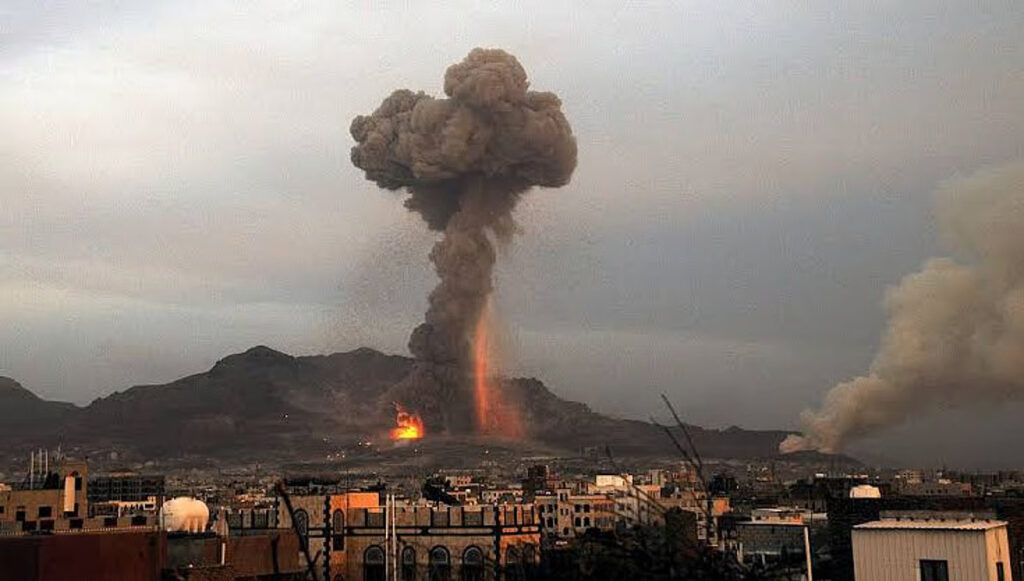
The United Arab Emirates took a decisive step this week. The government announced a plan to withdraw forces from Saudi Arabia after the bombing in Yemen’s Mukalla. Saudi jets struck the port city and claimed that the attack targeted weapons from the UAE. The UAE rejected that claim. Officials said the shipment carried vehicles for its own units operating in Yemen.
First, Abu Dhabi framed the decision around security. The defense ministry said the withdrawal improves force protection. It also said the move sharpens counterterrorism missions. Officials stressed that the UAE will decide its deployments on its own terms. Meanwhile, Bloomberg reported details from the ministry statement.
Next, the UAE addressed the accusation of arms shipments. Diplomats stated that the country supports legitimate Yemeni institutions. They also said the UAE fights extremist networks. They added that the UAE respects Yemen’s sovereignty. According to them, the cargo supported UAE personnel, not any rival faction.
Earlier, the UAE set a broader principle. Leaders said Yemen’s future belongs to Yemeni parties. They argued that local dialogue should shape governance and territorial issues. That message signaled caution about outside interference, even from partners.
Then came the strike in Mukalla. A ship from Fujairah reached the port. Soon afterward, Saudi aircraft launched bombs. Riyadh claimed the cargo supported the Southern Transitional Council, or STC. The STC seeks control across southern Yemen. The group pushes for self-determination and greater autonomy. The UAE holds historic links with the STC. However, Emirati officials denied sending weapons. They insisted on a limited logistical mission.
Soon, the Saudi-led coalition followed with more airstrikes. The situation escalated. Streets emptied. Local leaders warned of wider clashes. Regional observers watched the strain between two allies who back different Yemeni factions.
Meanwhile, tension had already been rising. Earlier this month, STC fighters moved into large parts of Hadramout and Mahra. They took control of key oil sites. The Yemeni military pushed back. Tribal forces rallied behind the Hadramout Tribal Alliance. Saudi Arabia supported that side. The UAE maintained ties with the STC. Thus, both Gulf powers found themselves on opposite ends of the map in the same war.
Furthermore, analysts said the STC now holds stronger bargaining chips. Control of ports and roads gives the group leverage in any future talks. The STC demands a settlement that recognizes southern identity and political space. Saudi leaders worry that rapid advances could fracture the country further.
On Friday, Saudi aircraft hit Hadramout again. Experts read the strike as a warning. Riyadh wants the separatists to slow down and pull back. Abu Dhabi now weighs risk against reward. Hence the decision to step away from Saudi territory and adjust deployments.
In the end, the move exposes deeper fault lines. The partners still talk about shared goals. Yet they chase different outcomes inside Yemen. One side wants unity through allied forces. The other side wants stability through local autonomy. For now, the UAE recalibrates. Saudi Arabia signals resolve. And Yemen remains the battlefield where both strategies collide.