Trump’s Tariffs: Three big unknowns ahead
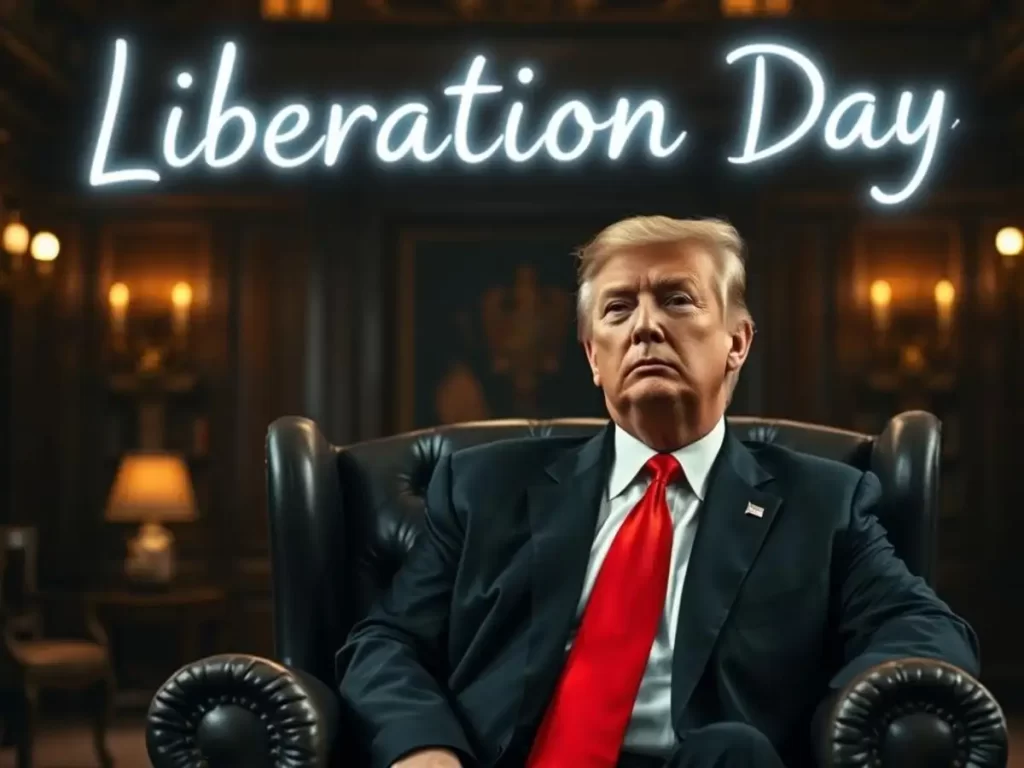
Donald Trump’s tariffs take effect immediately, setting the stage for economic uncertainty. He calls April 2 “Liberation Day,” promising sweeping trade changes. However, many key details remain unclear.
Tariff Impact on Industries
Trump already raised duties on imports from Canada, Mexico, and China, along with steel and aluminum. On April 3, he will impose a 25% tariff on imported cars. The full scope of tariffs will become clear at his “Make America Wealthy Again” press conference at 4 PM ET on Wednesday.
How Large Will Tariffs Be?
Trump wants tariffs on all imports from every country that taxes U.S. goods. His advisors suggested a 20% global tariff, but the White House hinted at country-specific rates. Trump insists U.S. tariffs will remain lower than what other nations impose.
Countries Facing the Biggest Impact
Critics fear a global trade war. The EU, Canada, and China could retaliate. Trump previously suggested tariffs of 10%, 20%, or even 60% on Chinese imports.
Treasury Secretary Scott Bessent said the administration targets the “Dirty 15,” nations with major trade imbalances, including China, India, Japan, and the UK. Mexico and Canada already face 25% tariffs, with Canada retaliating against $20.7 billion in U.S. goods.
Potential Economic Fallout
China hit back with its own tariffs, adding 10% to 15% on U.S. imports. The EU and UK fear sector-specific levies and possible permanent tariffs. The European Commission called Trump’s trade policy a “step in the wrong direction.”
UK officials brace for economic strain. Chancellor Rachel Reeves stressed the need for a trade deal, while Prime Minister Keir Starmer warned against a “knee-jerk” trade war.
What Comes Next?
White House spokeswoman Karoline Leavitt confirmed the tariffs take effect immediately. She emphasized Trump’s commitment to “restoring America’s golden age.” However, financial markets remain on edge. Former White House trade adviser Kelly Ann Shaw warned that April 2 marks the beginning, not the end, of tariff uncertainty.
Economists predict possible recession risks. Stanford economist Nicholas Bloom believes tariffs will bring ongoing economic instability. Deutsche Bank’s Matthew Luzzetti estimates U.S. growth could drop by 1% if uncertainty lingers.
Even with clarity, tariffs will hurt businesses. Neil Bradley of the U.S. Chamber of Commerce said, “Knowing about harmful policies doesn’t make them less harmful.” Companies will struggle to adapt quickly, especially with high relocation costs.
Final Outlook
Trump urges businesses to move production to the U.S. But shifting operations is expensive and time-consuming. More tariff announcements may follow, prolonging economic instability. The coming weeks will reveal whether Trump’s trade war reshapes global commerce or triggers lasting damage.