Trump warns Iran of severe consequences as protests intensify and rhetoric escalates
Tensions between the United States and Iran have risen sharply. President Donald Trump has issued a stark warning to Tehran amid deadly protests across the country. His remarks come as unrest deepens and diplomatic language gives way to open threats.
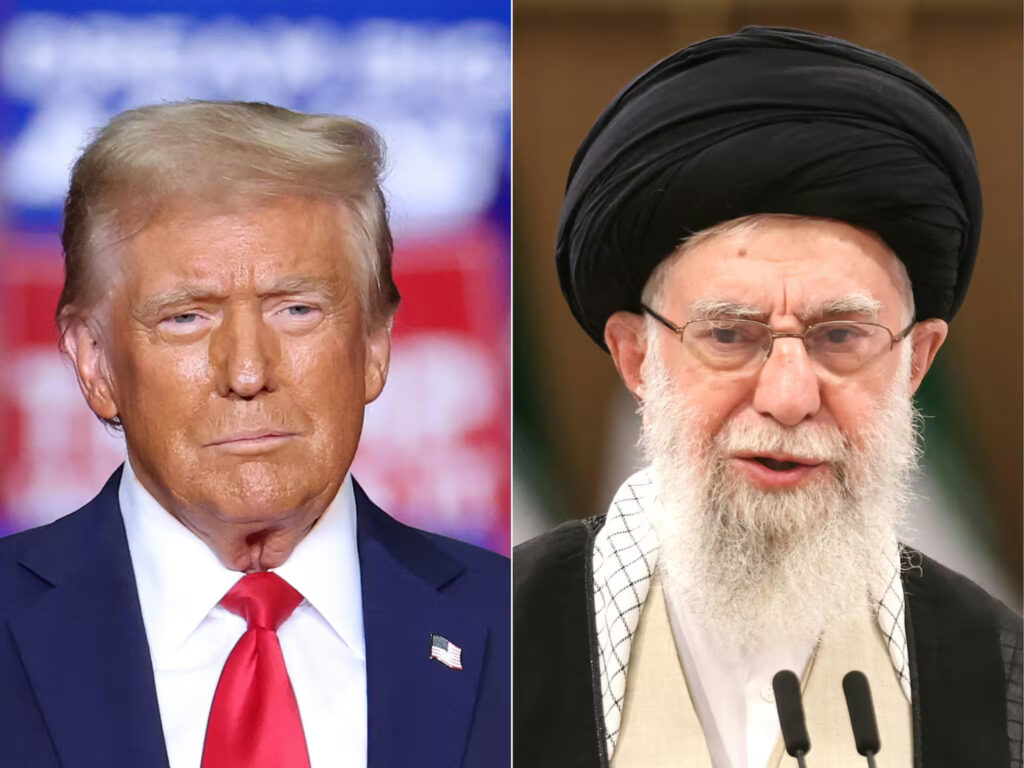
First, Trump delivered his message publicly. During an interview with News Nation, he warned Iran about the consequences of continued turmoil. He said the situation could spiral beyond control. He added that if violence escalates or if Iran targets US interests, the outcome would devastate the country. Trump claimed he had already sent a clear notification to Tehran.
Next, Trump addressed Iran’s recent warnings. He reacted strongly to statements about an “all-out war.” He said any attack or provocation would trigger overwhelming retaliation. He went further and said the United States would respond with force if anything happened to American interests. His language reflected a hardline stance that has defined his recent comments on Iran.
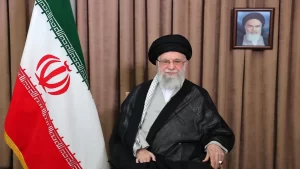
Meanwhile, Trump revived his call for regime change. In a separate interview with Politico, he criticised Iran’s leadership directly. He described Supreme Leader Ayatollah Ali Khamenei in harsh terms. He accused the leadership of mismanaging the country and using violence against its own people. Trump linked these accusations to the ongoing protests and rising death toll.
At the same time, Iran pushed back. On Tuesday, Tehran issued a fresh warning to the US president. Iranian military officials responded directly to Trump’s remarks. They warned Washington against any action targeting Iran’s top leadership. A spokesperson for Iran’s armed forces said Tehran would respond decisively to any act of aggression. He claimed Iran would retaliate beyond proportion if the US crossed a red line.
Furthermore, Iranian officials framed the conflict in global terms. They warned that any move against their leader would not stay limited. They said such an action would ignite wider instability. This response signaled Tehran’s intent to deter Washington through strong rhetoric.
The exchange unfolded against the backdrop of widespread unrest inside Iran. Protests erupted in the last week of December. Demonstrators poured into streets across several cities. They protested against soaring inflation, economic hardship, and the rapid fall of the rial. Many protesters also demanded political change.
As protests spread, violence followed. According to a US-based human rights group, the death toll has crossed 4,500. The same group reported more than 26,000 arrests. These numbers have fueled international concern. Rights groups have accused Iranian authorities of using excessive force to crush dissent.
However, Tehran has rejected those claims. Iranian leaders have blamed foreign powers for the unrest. They have accused the United States and Israel of stirring tensions and encouraging protests. Officials have said external interference aims to destabilize the country.
Meanwhile, Washington has denied direct involvement. US officials have defended Trump’s statements as support for the Iranian people. They have argued that protests reflect internal failures, not foreign manipulation.
As a result, the standoff continues to intensify. Trump’s warnings have raised fears of further escalation. Iran’s responses have hardened positions on both sides. Neither side has shown signs of stepping back.
For now, protests continue inside Iran. Diplomatic ties remain strained. And with rhetoric growing sharper, the risk of miscalculation looms large on the global stage.