Trump signals restraint as Gulf Energy War intensifies after Iran hits Qatar LNG sites
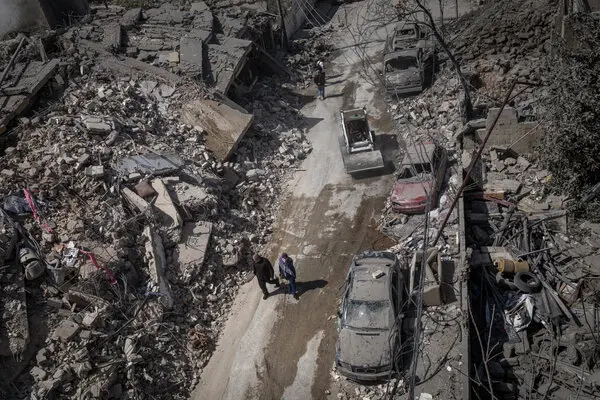
Tensions rise across the Gulf, and global markets react fast. First, US President Donald Trump tries to cool the situation. He says Israel will not launch more strikes on Iran’s South Pars gas field. However, he adds a sharp warning. He says the United States will act hard if Iran targets Qatar again.
Meanwhile, the conflict spreads across critical energy zones. Iran strikes liquefied natural gas sites in Qatar. As a result, fires break out at key facilities. Emergency teams rush in and fight the flames. Officials confirm damage but report no casualties so far.
At the same time, Qatar plays a crucial role in global supply. It ranks among the top LNG exporters in the world. Therefore, any disruption shakes energy markets worldwide. Authorities had already paused production earlier. Now, fresh damage raises fears of longer delays.
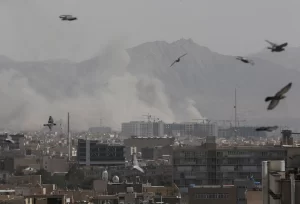
On the ground, the situation looks tense and uncertain. Thick smoke rises above industrial zones. Fire crews work non-stop to control the blaze. Security forces tighten access around energy hubs. Workers and residents stay alert as sirens echo across nearby areas.
Earlier, the chain of events started with an Israeli strike. Israel hit Iran’s South Pars gas field in the Persian Gulf. Iran shares this massive field with Qatar. In response, Tehran launches retaliatory strikes across the Gulf.
Soon after, Iran expands its targets. It hits energy sites in the United Arab Emirates and Saudi Arabia. It also threatens routes near Kuwait and Bahrain. This escalation turns a regional clash into a broader energy crisis.
In response, Qatar condemns the attacks strongly. Its foreign ministry calls the strikes a violation of international law. It also warns about risks to civilians, infrastructure, and the environment. Furthermore, Qatar shows solidarity with Saudi Arabia and the UAE. It supports their right to defend their territory.
Back in Washington, Trump clarifies the US position. He says the United States had no prior knowledge of Israel’s strike on South Pars. He also states that Qatar had no role in that attack. At the same time, he urges restraint but keeps military options open.
Consequently, global energy markets react sharply. Oil prices jump above $108 per barrel. Traders fear supply shocks and prolonged instability. Prices have already surged since late February, when the conflict began.
Equally important, shipping routes face disruption. Iran tightens control near the Strait of Hormuz. This narrow passage carries nearly one-fifth of the world’s oil supply. Any blockage here threatens global trade flows.
Looking at the broader picture, the crisis shows a dangerous pattern. Each strike triggers a counterstrike. Each warning raises the stakes further. As a result, diplomacy struggles to keep pace with military action.
For now, Trump’s message signals caution but not retreat. He tries to prevent further escalation, yet he keeps pressure on Iran. Meanwhile, the region stands on edge, and the world watches closely as energy security hangs in the balance.