Trump says India “ripped us off,” claims oil shift after tariff ruling shock
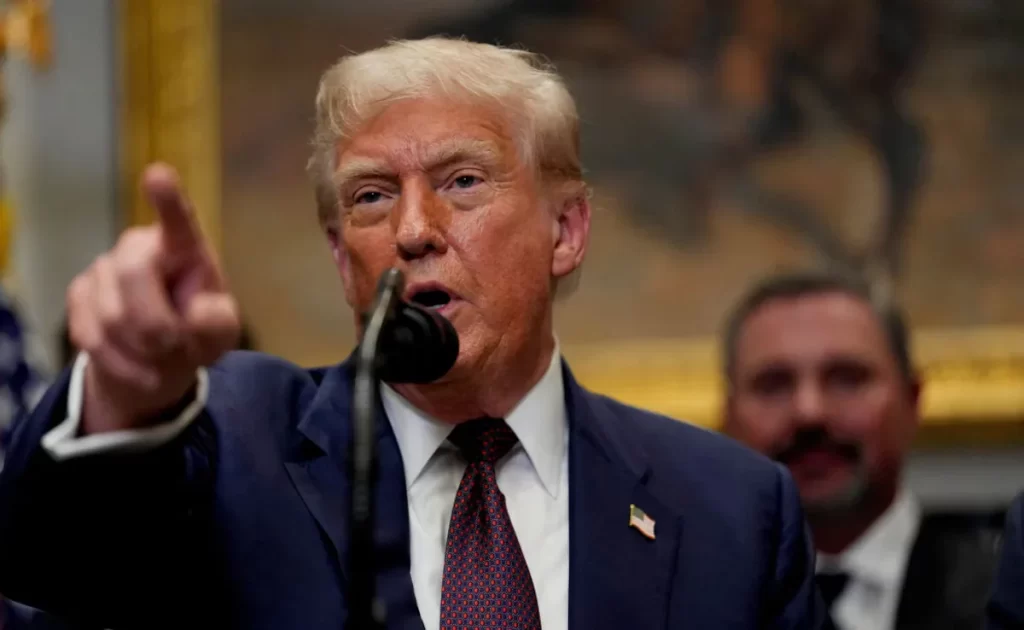
US President Donald Trump praised his ties with India. However, he also accused New Delhi of taking advantage of past trade terms. He spoke after the US Supreme Court struck down several tariffs he had imposed last year.
First, Trump clarified that the court ruling would not affect his trade understanding with India. He said the framework for an interim deal remains intact. “Nothing changes,” he stated. He added that India will continue to pay tariffs under the revised terms, while the United States will not.
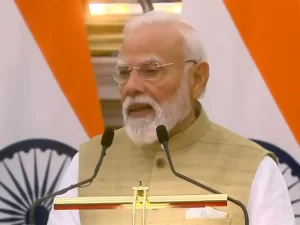
Then, Trump described his relationship with Prime Minister Narendra Modi as “fantastic.” He called Modi a “great man.” At the same time, he claimed India had outmaneuvered earlier US negotiators. According to Trump, the previous arrangement hurt American interests. Therefore, he pushed for what he called a fair reversal.
He said the new structure flips the old model. In his words, India now pays tariffs to the United States. Meanwhile, America does not face similar duties from India under this understanding. He framed the shift as a correction of imbalance.
Moreover, Trump made a significant claim about India’s energy imports. He said India “pulled way back” from buying Russian oil at his request. He linked that move to efforts to end the ongoing Russia-Ukraine conflict. Trump argued that heavy casualties demand urgent diplomacy. Therefore, he claimed he urged partners to reduce Moscow’s revenue streams.
However, the Indian government has not confirmed any such commitment. Officials in New Delhi have maintained that India secures energy from multiple sources. They have stressed that national interest guides every purchase decision. So far, they have neither endorsed nor rejected Trump’s remarks directly.
In addition, Trump revisited his earlier claim about easing tensions between India and Pakistan. He said tariff pressure helped defuse last year’s confrontation. The standoff ended on May 10, 2025, after both sides reached a ceasefire understanding. Before formal announcements, Trump wrote on Truth Social that he had “stopped the war.”
Yet India has consistently rejected any third-party role in that process. Indian officials have stated that Pakistan’s Director General of Military Operations contacted New Delhi to seek a truce. They have emphasized that bilateral military channels handled the situation.
Meanwhile, the US Supreme Court delivered a major setback to Trump’s economic agenda. In a landmark judgment, the court struck down several of his sweeping tariffs. The ruling targeted measures he had introduced under emergency trade powers. As a result, legal uncertainty now surrounds parts of his signature policy.
Trump reacted sharply to the verdict. He criticized the court and suggested external influence, though he offered no evidence. Notably, he had appointed two of the justices who ruled against him.
During hearings, his administration had indicated that businesses could receive refunds if the court invalidated the tariffs. However, the judgment did not address refund mechanisms directly. That issue may surface in future litigation.
Despite the setback, Trump moved quickly. He announced a temporary 10 percent global import duty for 150 days. Furthermore, he ordered fresh investigations under alternative trade laws. Those probes could allow him to reintroduce tariffs through different legal channels.
For now, trade partners watch closely. India continues negotiations on an interim agreement. At the same time, Washington navigates legal limits on executive trade powers. The coming months will test how both sides balance diplomacy, domestic politics, and economic strategy.