Trump reframes H-1B policy: Foreign experts to train, not replace, american workers
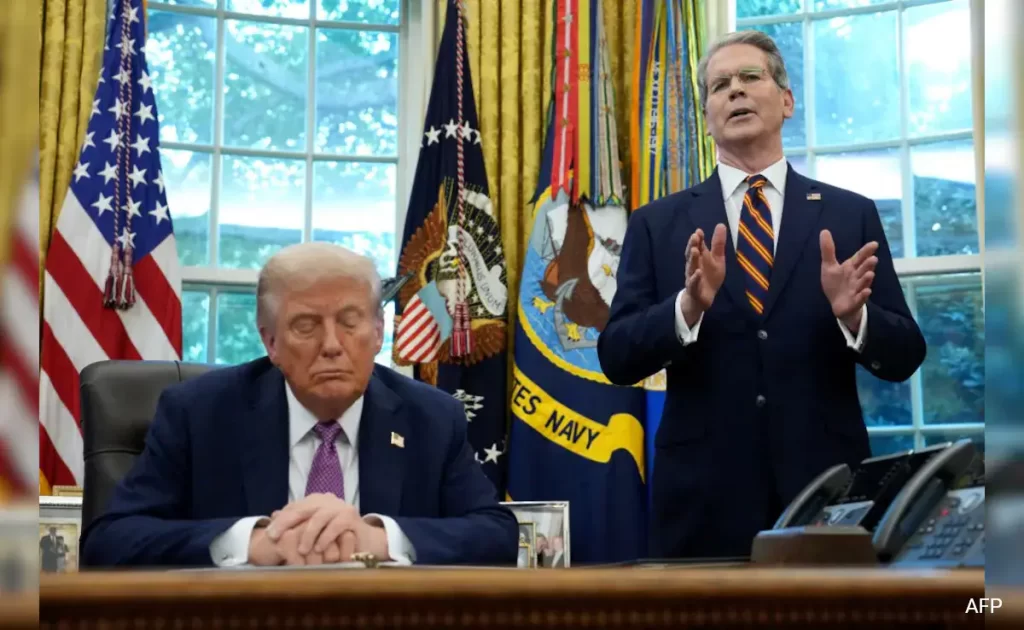
Washington – US President Donald Trump has stirred debate again with his recent remarks on the H-1B visa policy. During a Fox News interview, he said America must invite more skilled workers from abroad because some industries lack specific talents. However, Treasury Secretary Scott Bessent clarified that the administration’s plan focuses on training Americans, not replacing them.
Trump defended the need for foreign talent, saying, “America needs skilled people from across the world.” He added that Americans “don’t have certain talents” and “people have to learn.” His comments sparked speculation that the White House might soften its stance on immigration and skilled visas.
However, Bessent dismissed that perception. In another Fox News interview with Brian Kilmeade, he explained the policy’s real intent. “The president’s vision is to bring in overseas workers for three, five, or seven years,” Bessent said. “They will train US workers, then return home once Americans can take over those roles.”
According to Bessent, the administration wants knowledge transfer—a process that brings short-term expertise to revive critical industries like manufacturing and semiconductors. He argued that many of these sectors lost skilled labor decades ago, and America must rebuild its workforce with help from foreign professionals.
“An American can’t have that job, not yet,” Bessent said. “We haven’t built ships or semiconductors here for years. That’s why we need overseas experts to come, teach, and then go home. That’s a home run.”
Trump echoed similar views, saying the government cannot simply place long-term unemployed Americans in technical roles without training. He emphasized that the US must balance domestic employment with international expertise to sustain growth in defense and high-tech manufacturing.
The H-1B visa, a long-debated program, allows foreign professionals in technology, science, and engineering to work temporarily in the United States. Over the years, critics have accused companies of abusing the program to cut costs and replace American workers. Trump’s earlier hardline policies aimed to limit such misuse, but his new remarks suggest a strategic shift—a focus on using foreign expertise to rebuild domestic capacity.
Political analysts see this as part of Trump’s broader push to reindustrialize America. By blending global talent with national skill-building, his administration aims to close the technical skill gap and boost self-reliance in critical industries.
Meanwhile, business leaders welcomed the remarks, saying industries like defense manufacturing, AI, and chip design need immediate expertise to compete globally. They also stressed that such collaboration will help train future American engineers faster.
Bessent reaffirmed the administration’s message: “The H-1B program should not replace Americans. It should empower them.”
As debates continue in Washington, Trump’s latest comments signal a new balance between protecting American jobs and leveraging global skill power—one that ties immigration policy directly to economic rebuilding and innovation.