Trump orders U.S. exit from 66 global bodies, including UN climate convention
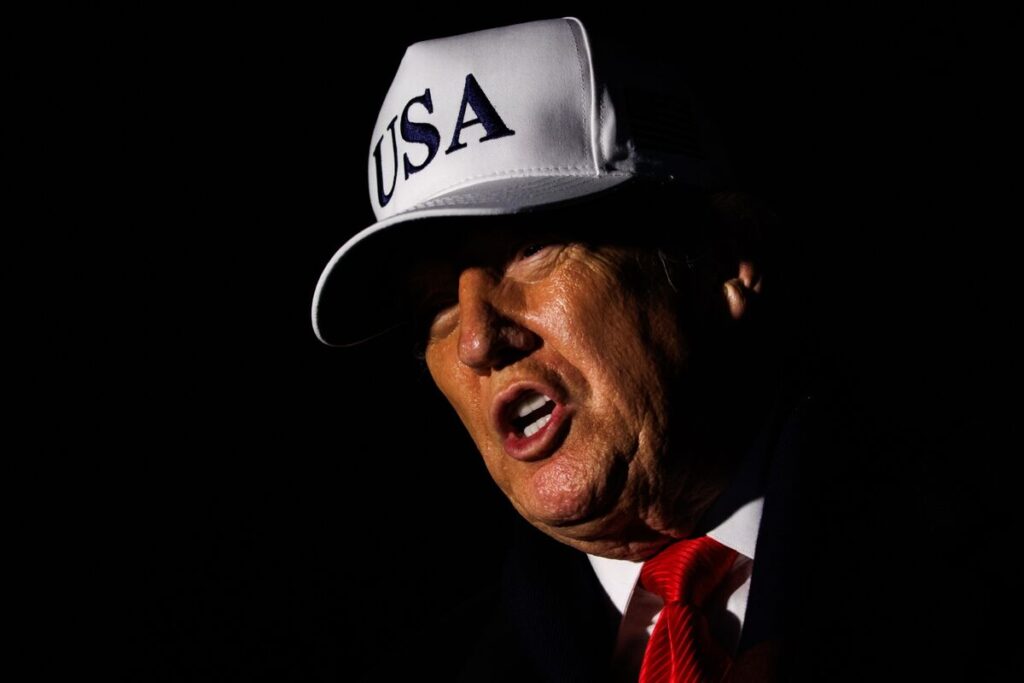
President Donald Trump sharpens his break with global institutions. On Wednesday, he signs a presidential memorandum. The order directs the United States to withdraw from 66 international organizations and treaties. The list includes the United Nations Framework Convention on Climate Change and the Intergovernmental Panel on Climate Change.
As a result, the United States steps away from the core system that guides global climate action. The move pulls the country out of coordinated climate mitigation. It also ends formal participation in global scientific assessments of climate risks. Critics say the decision weakens trust. Supporters frame it as sovereignty.
The United States carries heavy weight in climate history. It ranks as the world’s largest historical polluter. Therefore, the withdrawal sends a strong signal. The country will not share responsibility through the UN climate framework. It will also stop contributing to climate finance through this channel. Developing countries rely on such funding for clean energy, adaptation, and resilience. Now they face uncertainty.
Climate advocates react quickly. Rachel Cleetus of the Union of Concerned Scientists condemns the move. She calls it a new low. She argues that the decision sacrifices public well-being. She also warns that it destabilizes global cooperation. According to her, climate impacts intensify each year. Floods, fires, and heat waves already impose heavy costs. Therefore, she says, only collective action can secure a livable future.
Cleetus also attacks the administration’s stance on science. She accuses it of spreading false claims. She says it undermines federal agencies and clean energy policies. In her view, the administration sides with fossil fuel interests. She adds that this approach harms people across the United States.
Meanwhile, policy experts highlight economic risks. David Widawsky of the World Resources Institute calls the decision a strategic blunder. He says the UN climate convention forms the backbone of international cooperation. By leaving, the United States exits the arena. It does not just sit on the sidelines. He warns that American communities and businesses will lose ground. Other countries will capture clean energy jobs, investment, and trade.
Despite the shock, global diplomacy continues. Climate leaders abroad signal resolve. They stress the UN framework’s role in driving solutions. They argue that cooperation saves lives and creates jobs. They say it also stabilizes economies. In short, they plan to move forward without Washington.
Data adds context to the debate. As of 2022, China leads global carbon dioxide emissions. The United States follows in second place. India ranks third, then Russia and Japan. However, per-capita figures tell a sharper story. The United States tops the list among major emitters. Emissions per person in the U.S. double China’s levels. They exceed India’s levels by eight times, according to WRI.
This decision marks a break from precedent. The United States has never left the UN climate convention before. Every nation belongs to the agreement. Governments across parties upheld it for more than three decades. The convention predates the Paris Agreement. It anchors climate talks, reporting, and cooperation.
The administration has already signaled a second exit from the Paris deal. Now it goes further. Critics link this step to a broader pattern. They point to actions that challenge international agreements and norms. They argue that credibility suffers. Allies reassess ties. Global stability faces strain.
For now, the policy stands. Agencies prepare to disengage. Diplomats recalibrate. Markets watch closely. States and cities inside the U.S. chart their own paths. Companies pursue clean energy regardless. The world continues to warm. And the debate over leadership, responsibility, and cooperation intensifies.