Trump hints at new tariffs, says PM Modi knew his displeasure
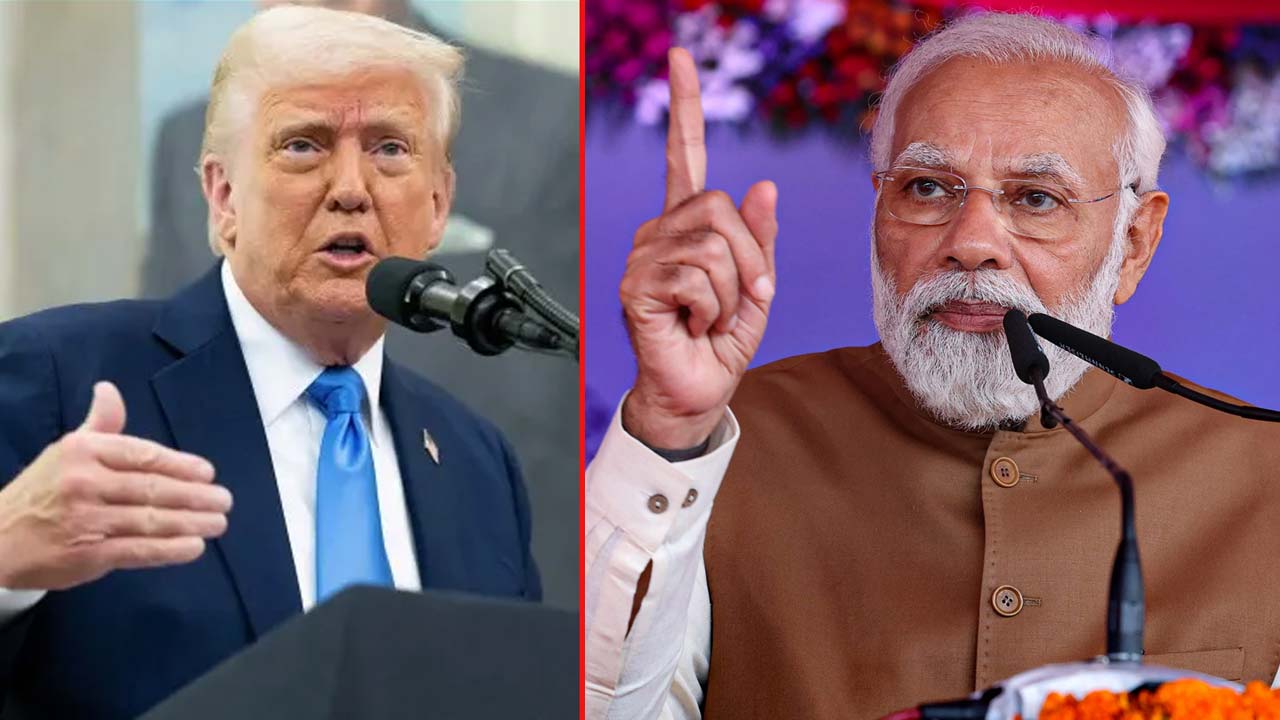
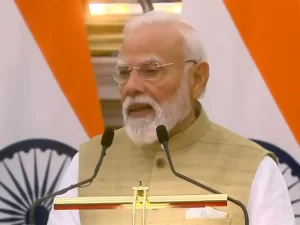
Donald Trump raised the temperature on trade again. He spoke with reporters on Air Force One and flagged India’s Russian oil purchases. He said PM Narendra Modi knew his displeasure. He also warned that new tariffs could arrive fast.
Trump said Modi remains a “very good man.” Yet he stressed that India keeps buying Russian oil. Therefore, Trump said he can lift tariffs “very quickly.” He framed tariffs as leverage. He said tariffs fix problems faster than talks.
Last year, Trump opened a sharper tariff front. He lifted duties by 25 percent as a reciprocal step. Then he added another 25 percent as a penalty linked to Russian oil. As a result, some categories reached 50 percent. The move strained ties. New Delhi guarded national interests. Washington pushed for market access. Tension grew across multiple rounds of trade engagement.
Meanwhile, the two leaders kept the lines open. They spoke over the phone recently. They agreed to keep momentum in bilateral trade. They also acknowledged friction. On that same day, negotiators from both sides opened a new round of talks. The agenda focused on tariffs, agriculture, and broader market rules. Both sides sought progress. However, gaps remained.
Earlier, Trump also turned to farm politics. A farmer at a White House roundtable complained about rice dumping from India, China, and Thailand. The complaint drew an instant response. Trump asked why India could ship rice so freely. He pressed his treasury team. He questioned exemptions. He said tariffs could resolve the issue in minutes. The remark signaled a tougher stance. It also signaled political intent during a sensitive season for rural America.
Now, talks struggle for traction. The U.S. side urges India to avoid steep duties on American farm products. The American delegation argues for broader export opportunities. Indian officials highlight another reality. They point to the scale of Indian farming. They note millions of small producers. They also stress food security. Therefore, India continues to defend protections for farming and dairy. Officials argue that stability for farmers anchors the national economy.
At the same time, India seeks balanced cooperation. New Delhi wants technology ties, investment, and resilient supply chains. Washington wants predictable rules and deeper access. Both governments recognize a bigger picture. The world faces sharp swings in energy markets. The world also faces conflict-linked disruptions. Thus, trade decisions carry strategic weight.
Trump continues to anchor his case on tariffs. He frames tariffs as quick, simple, and powerful. Supporters say tariffs give the U.S. bargaining strength. Critics warn about higher costs and friction with partners. The debate grows louder as election pressures rise. Business groups watch closely. Energy traders watch as well. Every signal on Russian oil shapes expectations.
For now, the path forward remains narrow. Negotiators continue to meet. They search for areas of give-and-take. Each side claims legitimate concerns. Each side also values the relationship. The next weeks will test political will. Either both sides shape a compromise. Or they brace for another tariff surge.