Trump broadens US travel ban, adds 20 more countries to restrictions list
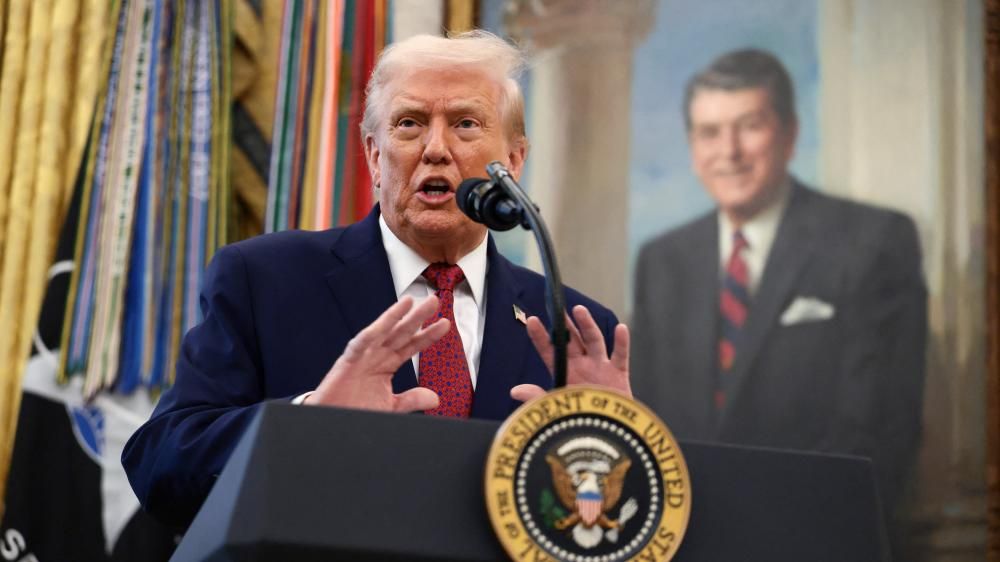
Washington, D.C. – President Donald Trump has expanded US travel restrictions to 20 additional countries. As a result, the total number of affected nations has risen to 40. The White House announced the decision on Tuesday and framed it as a national security move.
According to the updated order, 19 countries now face a complete ban on travel to the United States. These countries include Syria, Afghanistan, Iran, Libya, Somalia, Sudan, Yemen, Eritrea, Haiti, Myanmar, Chad, the Republic of Congo, Equatorial Guinea, Burkina Faso, Mali, Niger, South Sudan, Sierra Leone, and Laos.
Meanwhile, the White House clarified the rationale behind the decision. Officials said President Trump signed a proclamation to expand and strengthen entry restrictions. The administration cited “persistent and severe deficiencies” in screening, vetting, and information sharing by these countries. It said the step aims to protect US national security and public safety.
Importantly, the expanded restrictions will take effect on January 1. Until then, agencies will prepare to enforce the new rules at ports of entry and visa offices.
In addition to full bans, the administration also imposed partial travel restrictions on several other countries. These limits affect specific visa categories or require additional scrutiny. Nigeria, Africa’s most populous country, appears on this partial list. Ivory Coast and Senegal also face restrictions, even as both countries prepare for the football World Cup scheduled next year in the United States, Canada, and Mexico.
Furthermore, several African and Caribbean nations now face partial limits. These include Angola, Benin, Gabon, The Gambia, Malawi, Mauritania, Tanzania, Zambia, and Zimbabwe. Caribbean nations such as Antigua and Barbuda and Dominica also appear on the list. Outside Africa and the Caribbean, Tonga, a Polynesian nation, faces similar measures.
Next, the administration explained why it moved now. Officials pointed to a broader effort to tighten US entry standards. They argued that weak documentation systems and poor data sharing create risks. They also linked the move to recent security incidents.
Notably, the White House indicated it would expand restrictions after the arrest of an Afghan national. Authorities accused the suspect of shooting two National Guard troops over the Thanksgiving weekend. The administration cited this case as evidence of gaps in screening procedures.
Earlier this year, President Trump had already announced bans on travelers from 12 countries. He also placed restrictions on citizens from seven others. Tuesday’s move significantly widened the scope of that policy.
At the same time, the proclamation outlined a cultural argument. Trump said the United States must prevent the entry of foreigners who seek to undermine or destabilize its culture, institutions, or founding principles. The document stressed that immigration policy should align with national values and security goals.
Syria drew special attention in the announcement. The administration imposed restrictions on Syrian nationals days after violence involving US troops and a civilian in the country. Although Washington has taken steps to rehabilitate Syria internationally after the fall of longtime ruler Bashar al-Assad, security concerns remain.
Syrian authorities later said the attacker belonged to the country’s security forces. They added that officials planned to dismiss him due to extremist Islamist views.
However, critics reacted sharply to the expanded ban. Civil rights groups and immigration advocates called the move discriminatory. They argued that it unfairly targets people based on nationality rather than individual risk. Critics also warned that the policy could disrupt families, students, and workers with legal ties to the United States.
Despite the backlash, the administration has shown no signs of retreat. Instead, officials signaled that travel policy will remain a central tool in Trump’s approach to border control and national security.