“Torture, sexual assault”: from India, Sheikh Hasina attacks Bangladesh interim government ahead of polls
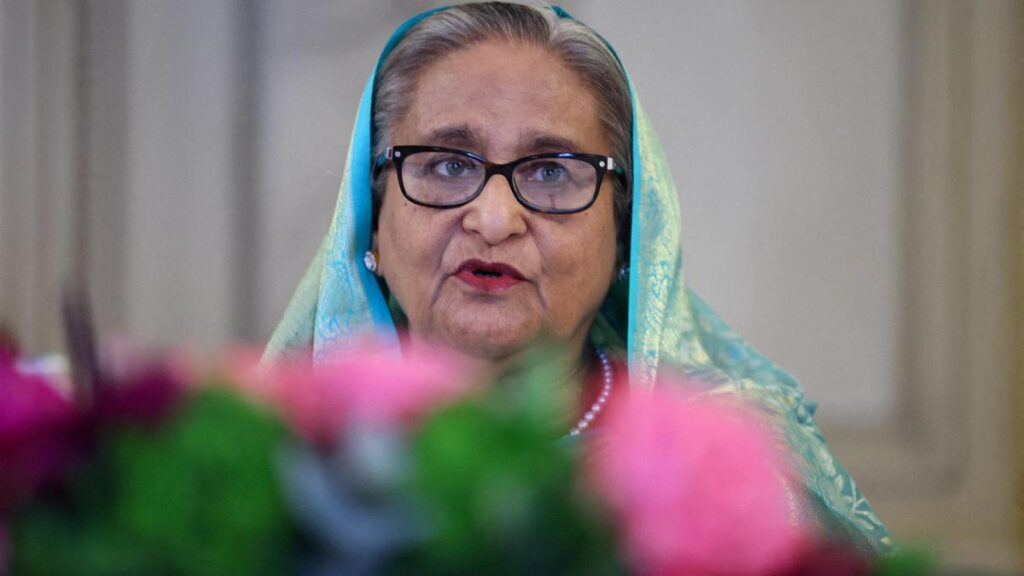
Former Bangladesh prime minister Sheikh Hasina delivered her first public address from India on Friday. She issued a sharp call to action. She urged citizens to rise against the interim administration led by Muhammad Yunus. She said the current setup cannot deliver free and fair elections.
The speech came at a critical moment. Bangladesh plans a general election on February 12. However, authorities have barred Hasina’s party, the Awami League, from contesting. As a result, political tensions have intensified.
Hasina spoke through a pre-recorded audio message. Organisers played the message at an event titled “Save Democracy in Bangladesh” at the Foreign Correspondents Club. The address came a day after election campaigning began in Bangladesh.
At the outset, Hasina appealed for unity. She asked people to draw strength from the 1971 Liberation War. She framed the current crisis as a fight to protect the Constitution and national sovereignty. She urged citizens to act together and without fear.
Next, Hasina directly attacked Muhammad Yunus. She labelled him corrupt and power-hungry. She accused him of betraying the nation. She alleged that he played a key role in removing her government in August 2024. She described that episode as a planned conspiracy. She did not present evidence to support the charge.
Hasina then raised serious human rights allegations. She said Bangladesh now lives under terror. She claimed that violence, torture, and sexual assault continue unchecked. She said women and girls face daily threats. She added that religious minorities suffer constant persecution. According to her, law and order has collapsed across the country.
She also targeted the state of press freedom. She said authorities have silenced journalists through intimidation and legal pressure. She accused the administration of using courts as political weapons. She demanded an immediate end to such actions and called for the restoration of judicial independence.
Meanwhile, Hasina placed strong demands before the nation. First, she demanded the removal of what she called the illegal Yunus administration. She said free and fair elections remain impossible under its rule. Second, she demanded an immediate halt to violence and lawlessness. She linked stability to economic recovery. Third, she sought ironclad guarantees for the safety of minorities, women, and vulnerable communities.
In addition, Hasina called for international involvement. She urged the United Nations to launch a new and truly impartial investigation into events following her ouster. She said such a probe could help reconciliation and healing. She also warned against politics driven by revenge.
Throughout the speech, Hasina returned to familiar themes. She recalled the Awami League’s role in the Liberation War. She appealed to democratic and progressive forces. She asked them to resist what she called extremist and communal elements.
Politically, the address served a clear purpose. Analysts view it as an attempt to keep the Awami League relevant ahead of the polls. The Bangladesh Nationalist Party appears set to dominate the election. Jamaat-e-Islami could also gain ground.
Despite these challenges, the Awami League still commands grassroots support. However, many senior leaders now live in exile in India and Europe. Meanwhile, Bangladesh has seen renewed unrest since late last year. Much of it links directly or indirectly to Hasina’s exile.
As election day nears, Hasina’s words have raised the stakes. The country now faces a volatile political road ahead.Former Bangladesh prime minister Sheikh Hasina delivered her first public address from India on Friday. She issued a sharp call to action. She urged citizens to rise against the interim administration led by Muhammad Yunus. She said the current setup cannot deliver free and fair elections.
The speech came at a critical moment. Bangladesh plans a general election on February 12. However, authorities have barred Hasina’s party, the Awami League, from contesting. As a result, political tensions have intensified.
Hasina spoke through a pre-recorded audio message. Organisers played the message at an event titled “Save Democracy in Bangladesh” at the Foreign Correspondents Club. The address came a day after election campaigning began in Bangladesh.
At the outset, Hasina appealed for unity. She asked people to draw strength from the 1971 Liberation War. She framed the current crisis as a fight to protect the Constitution and national sovereignty. She urged citizens to act together and without fear.
Next, Hasina directly attacked Muhammad Yunus. She labelled him corrupt and power-hungry. She accused him of betraying the nation. She alleged that he played a key role in removing her government in August 2024. She described that episode as a planned conspiracy. She did not present evidence to support the charge.
Hasina then raised serious human rights allegations. She said Bangladesh now lives under terror. She claimed that violence, torture, and sexual assault continue unchecked. She said women and girls face daily threats. She added that religious minorities suffer constant persecution. According to her, law and order has collapsed across the country.
She also targeted the state of press freedom. She said authorities have silenced journalists through intimidation and legal pressure. She accused the administration of using courts as political weapons. She demanded an immediate end to such actions and called for the restoration of judicial independence.
Meanwhile, Hasina placed strong demands before the nation. First, she demanded the removal of what she called the illegal Yunus administration. She said free and fair elections remain impossible under its rule. Second, she demanded an immediate halt to violence and lawlessness. She linked stability to economic recovery. Third, she sought ironclad guarantees for the safety of minorities, women, and vulnerable communities.
In addition, Hasina called for international involvement. She urged the United Nations to launch a new and truly impartial investigation into events following her ouster. She said such a probe could help reconciliation and healing. She also warned against politics driven by revenge.
Throughout the speech, Hasina returned to familiar themes. She recalled the Awami League’s role in the Liberation War. She appealed to democratic and progressive forces. She asked them to resist what she called extremist and communal elements.
Politically, the address served a clear purpose. Analysts view it as an attempt to keep the Awami League relevant ahead of the polls. The Bangladesh Nationalist Party appears set to dominate the election. Jamaat-e-Islami could also gain ground.
Despite these challenges, the Awami League still commands grassroots support. However, many senior leaders now live in exile in India and Europe. Meanwhile, Bangladesh has seen renewed unrest since late last year. Much of it links directly or indirectly to Hasina’s exile.
As election day nears, Hasina’s words have raised the stakes. The country now faces a volatile political road ahead.