Tech outage triggers airport chaos as flights face delays across India
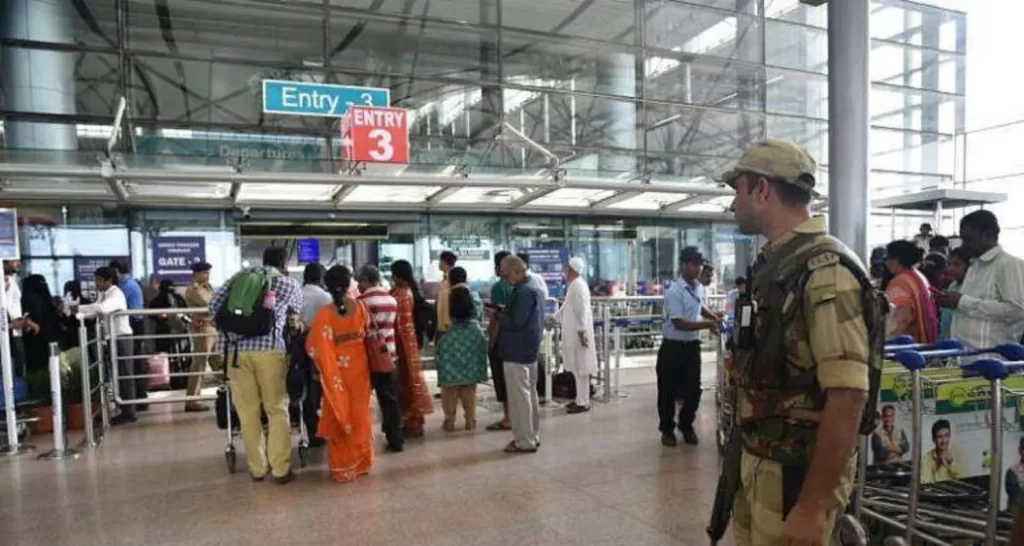
Hyderabad – Airports across India reported major disruptions on Wednesday morning after a sudden tech outage hit check-in systems. I track the breakdown, the passenger chaos, and how airlines scrambled to restore normal operations.
Microsoft Windows suffered a global service outage. Airports received this alert early in the morning. As a result, several airlines struggled to run their check-in systems. IndiGo, SpiceJet, Akasa Air and Air India Express faced the sharpest impact. They shifted to manual check-in to keep flights moving. However, the shift triggered long queues and slow processing at multiple airports.
Meanwhile, Hyderabad’s Rajiv Gandhi International Airport saw the most chaotic scenes. A video from the airport showed passengers crowding airline counters. Many held up tickets and phones, demanded updates, and argued with staff. The confusion grew as delays stretched longer. People complained about the lack of clear communication. Some even feared missing connecting flights.
At the same time, Delhi Airport issued an early advisory. DIAL said domestic airlines were facing operational challenges. It warned passengers about possible delays or sudden schedule changes. It also said airport teams were coordinating with all stakeholders to stabilise the situation.
Airlines then released updates. Air India reported the quickest recovery. It announced that the third-party system had been restored. It also said that check-in at all airports was running normally again. The airline thanked passengers for their patience and confirmed that its schedule remained intact.
IndiGo, however, reported deeper trouble. It acknowledged that it faced several delays and even cancellations in recent days. It blamed a combination of technology glitches, airport congestion and operational constraints. It said its teams were working round the clock to normalise operations. It also offered alternate flights or refunds to affected passengers.
Even as systems began to recover, airlines continued to deal with the backlog. Morning delays pushed later flights off schedule. Crowded terminals, slow baggage drops and overworked staff added pressure. Passengers posted videos and complaints online, urging airlines to explain the outage more clearly.
The outage also raised broader questions. Airports depend heavily on automated systems for check-in, baggage handling and boarding. Any tech disruption can paralyse operations within minutes. Wednesday’s chaos highlighted those risks. It also revived discussions on developing backup systems that can keep airports functional during global tech failures.
Airlines now plan to review their internal systems. They want to ensure smoother fallback options when external networks fail. Airport operators also aim to coordinate better communication during such events.
By afternoon, operations stabilised in most major airports. However, delays continued in pockets due to the backlog created in the morning. Passengers advised each other to reach airports early and stay updated on flight status.
Wednesday’s tech glitch showed how vulnerable aviation operations remain in the digital era. It also underlined the need for stronger system redundancy as passenger numbers keep rising.