Supreme Court to rule on key bail pleas in Delhi 2020 riots case
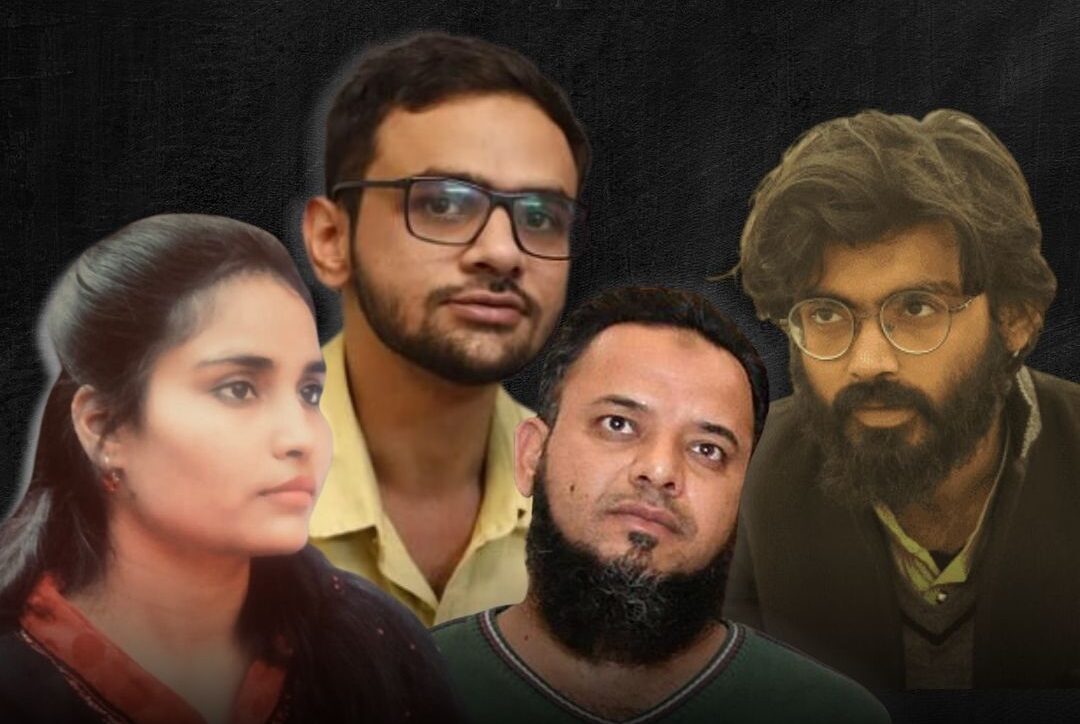
The Supreme Court will decide on the bail pleas in the 2020 Delhi riots case on Monday. The matter involves prominent accused such as Umar Khalid, Sharjeel Imam, and several others. The bench of Justices Aravind Kumar and N. V. Anjaria heard detailed arguments over months. The judges reserved the order in December, and the courtroom now looks toward a crucial moment.
First, some background helps explain the stakes. The violence in 2020 followed the nationwide debate over the Citizenship Amendment Act. Streets in several parts of Delhi saw clashes, gunfire, and arson. The violence claimed 53 lives and left deep political and social scars. Since then, courts have heard dozens of petitions, and investigators have collected huge volumes of digital and documentary evidence.
Earlier, on September 2, the Delhi High Court rejected the bail pleas of nine accused. The court described the violence as a pre-planned conspiracy rather than a simple protest. The list of names included Umar Khalid, Sharjeel Imam, Gulfisha Fatima, Meeran Haider, Athar Khan, Abdul Khalid Saifi, Mohd Saleem Khan, Shifa-ur-Rehman, and Shadab Ahmed. After that setback, the accused turned to the Supreme Court and sought relief.
Meanwhile, the High Court took a different view in some cases. In June 2021, it granted bail to Natasha Narwal, Devangana Kalita, and Asif Iqbal Tanha. Later, in March 2022, the court also granted bail to former Congress councillor Ishrat Jahan. These mixed outcomes shaped the broader legal debate and encouraged the remaining accused to push their arguments further.
The Delhi Police strongly opposed bail in the Supreme Court. According to investigators, the accused joined a deliberate plan to spark unrest during Donald Trump’s visit to India. Police officials argued that the plan aimed to draw global attention and frame the CAA as a coordinated attack on Muslims. Officers also claimed that the petitioners slowed the trial through repeated applications and procedural tactics.
However, the defense countered those points with force. Senior advocate A. M. Singhvi argued that the “regime change” theory never appeared in earlier stages. He said the police raised it only now to influence the court. Senior advocate Kapil Sibal, representing Umar Khalid, stressed that investigators lacked direct proof of incitement. He also pointed out that Khalid stayed outside Delhi during the crucial dates of the violence.
On the other side, Additional Solicitor General S. V. Raju insisted that deliberate planning guided the accused. He said leaders and “intellectuals” used speeches to mobilize crowds and deepen divisions. The court even watched videos of speeches to assess those claims. Each side tried to link facts, timelines, and statements into a compelling narrative.
Meanwhile, the main trial continues in the lower court. Lawyers currently argue charges before the judge. After that stage ends, the court will frame charges and begin the long process of examining more than 700 witnesses. Therefore, the road ahead still looks lengthy.
Now, the Supreme Court’s decision matters for two reasons. First, it determines whether the accused remain in custody during the trial. Second, it signals how the judiciary views conspiracy allegations linked to political protests. Whatever the ruling, the case will continue to shape debates over protest, policing, and due process — in Delhi and across India.