
Supreme Court stays UGC’s 2026 Caste Discrimination Rules, flags risk of social division
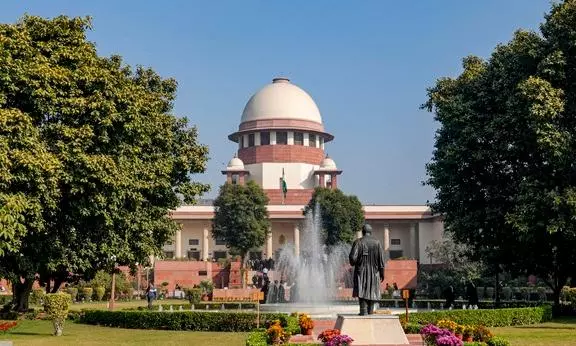
The Supreme Court on Thursday stayed the implementation of the University Grants Commission’s 2026 equity regulations that define caste discrimination in higher education. The court also sought responses from the Union government and the UGC on petitions challenging the new framework.
At the outset, the bench made its position clear. It said universities must remain free, equitable, and inclusive spaces. However, it added that the new regulations could divide society if they operate in their present form. Therefore, the court decided to halt their operation for now.
As a result, the Supreme Court directed that the earlier 2012 UGC regulations will continue to apply. These rules will govern the handling of discrimination-related complaints until the court delivers a final verdict on the matter.
The bench heard the case while considering a public interest litigation that challenges the validity of the 2026 regulations. The petitioners questioned the intent, scope, and safeguards of the new rules. They argued that the framework lacks clarity and opens the door to misuse.
Meanwhile, the UGC introduced the 2026 equity regulations to strengthen institutional mechanisms against discrimination. Under the new rules, every higher educational institution must form an equity committee. These committees must address complaints related to discrimination and promote equality on campus.
However, the petitioners raised strong objections. They said the regulations define caste discrimination too broadly. According to them, such a definition may lead to false complaints and harassment. They also argued that the rules do not provide adequate checks to prevent abuse.
In addition, the petitioners claimed that the regulations could harm academic freedom. They warned that vague provisions may create fear among faculty and administrators. As a result, they said, decision-making within institutions may suffer.
During the hearing, the Supreme Court acknowledged the importance of addressing discrimination. At the same time, it stressed the need for balance. The bench observed that laws meant to ensure equity must not create fresh divisions within society.
Therefore, the court issued formal notices to the Centre and the UGC. It asked them to file their responses and explain the rationale behind the new regulations. The court will examine whether the framework aligns with constitutional principles and existing safeguards.
Earlier, Chief Justice of India Surya Kant agreed to urgently list the matter for hearing. The court took this step after the petitioners highlighted the wide impact of the regulations on universities across the country.
Advocate Mritunjay Tiwari filed the petition along with advocate Vineet Jindal and Rahul Dewan. They urged the court to intervene before the rules take full effect. According to them, immediate judicial scrutiny remained necessary due to the scale of the changes.
For now, the stay offers temporary relief to educational institutions. Universities will continue to follow the 2012 regulations while the legal challenge remains pending. The final outcome will likely shape how India’s higher education system addresses caste discrimination in the years ahead.
Going forward, the Supreme Court will hear detailed arguments from all sides. The case will test how the law balances social justice, institutional autonomy, and social harmony.