Shivraj Patil, former home minister and senior congress voice, dies at 90
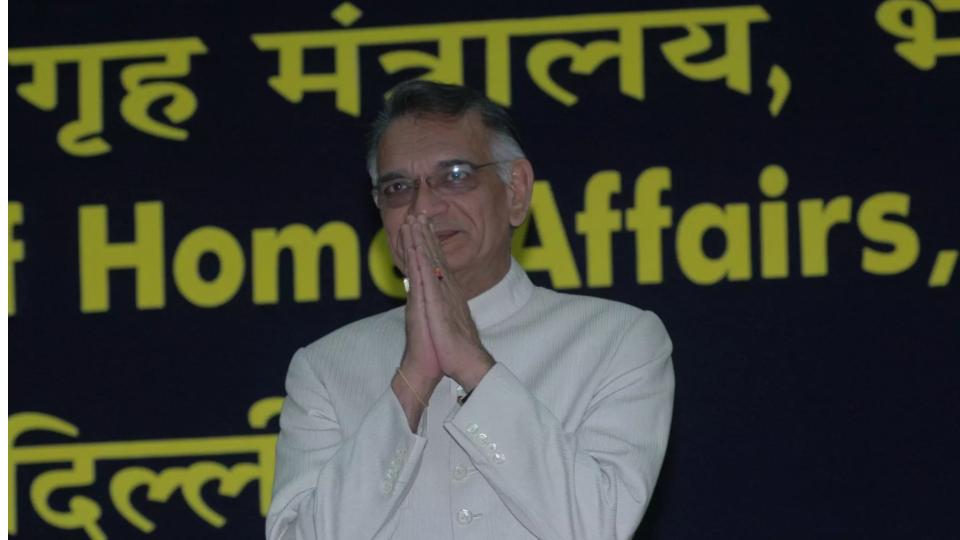
Shivraj Patil, one of the most prominent Congress leaders of his era, died on Friday in Latur at 90. He battled a brief illness, and his family confirmed the news. With his death, India loses a steady voice that shaped Parliament and the Union Cabinet for decades.
To understand his impact, we must look back at his long journey. Patil entered public life at the local level when he took charge of the Latur municipal council. From there, he moved quickly. He won a seat in the Maharashtra Assembly in the early 1970s and built a base that stayed loyal to him for years. Soon after, he stepped onto the national stage and won the Latur Lok Sabha seat seven times. Each victory strengthened his standing in the Congress.
As his political stature grew, Patil took on major responsibilities. First, he served as Speaker of the Lok Sabha from 1991 to 1996. He ran the House with firm discipline and calm authority. After that, he returned to the Union Cabinet. In 2004, he took charge of the Home Ministry and stayed in that role until 2008. During these years, he dealt with security challenges while maintaining his trademark composure.
Later, he shifted to constitutional duties. From 2010 to 2015, he served as Governor of Punjab and Administrator of Chandigarh. These roles added another chapter to a career that touched every tier of public office.
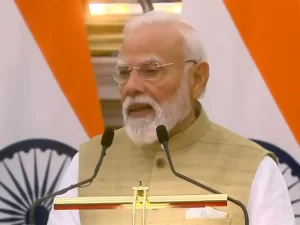
Reactions poured in soon after his death. Prime Minister Narendra Modi expressed grief and noted Patil’s long public service. He highlighted Patil’s work as MLA, MP, Union Minister, and Speaker at both state and national levels. Congress leaders also recalled his steady presence in Parliament and his deep understanding of procedure.
Patil stood out for reasons beyond his posts. He valued scholarship and read widely on law, policy, and philosophy. He communicated with clarity and avoided aggression even in heated debates. His command over Marathi, Hindi, and English made him an effective voice across regions. Many colleagues often described him as a dignified parliamentarian who valued reason over rhetoric.
His family also remained active in public life. He is survived by his son Shailesh Patil, daughter-in-law Archana, a BJP leader, and two granddaughters. Friends say this cross-party bond reflected his belief in personal warmth over political divides.
Through each phase of his career, Patil shaped institutions with a calm hand. He moved from local politics to national leadership without losing his sense of balance. He handled legislative responsibilities, Cabinet challenges, and gubernatorial duties with the same methodical approach.
With his passing, India marks the end of a chapter. Patil leaves behind a legacy built on restraint, discipline, and duty. His long journey from Latur to national leadership shows how steady conviction can define a lifetime in public service.