Sensex slides 800 Points as Budget Day trade sparks volatility; Nifty hovers near 25,000
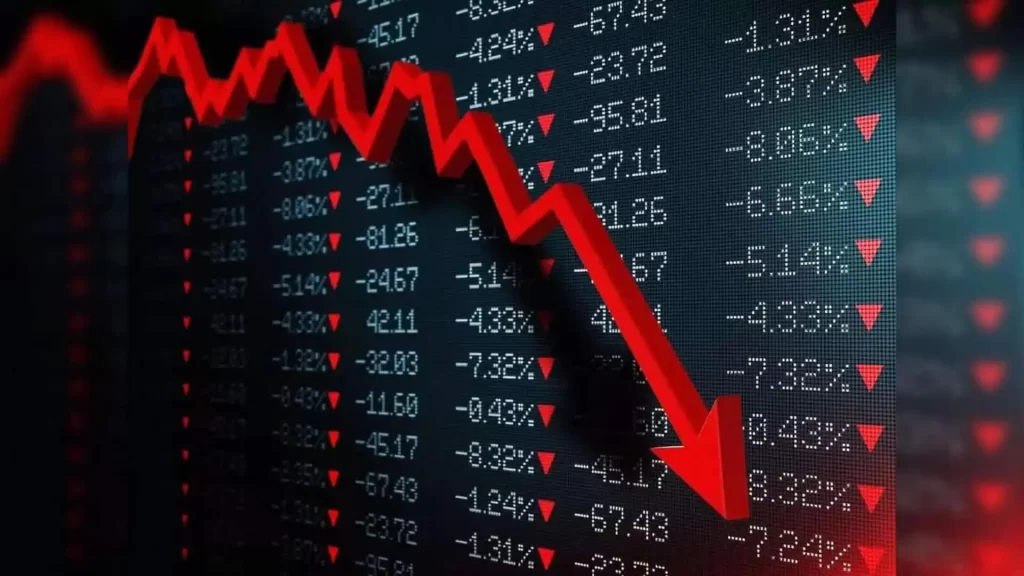
Indian equity markets opened the special Budget Day trading session under sharp pressure. Early selling dragged the Sensex down by nearly 800 points. At the same time, the Nifty slipped but stayed just above the crucial 25,000 mark.
This rare Sunday session aligned with the Union Budget 2026. As a result, investors reacted in real time to policy signals. Markets showed nervousness from the opening bell.
At the start, selling dominated across sectors. Banking, IT, and metal stocks led the fall. Heavyweights faced profit booking after recent highs. Consequently, benchmark indices struggled to find support.
Meanwhile, investors entered the session with caution. Budget expectations stayed high. However, uncertainty over fiscal discipline and spending priorities weighed on sentiment. Traders preferred to reduce risk rather than take fresh positions.
Adding to the pressure, global cues offered limited comfort. Asian markets traded mixed earlier in the day. Bond yields remained elevated worldwide. Therefore, risk appetite stayed weak.
Domestically, market participants tracked the government’s fiscal roadmap. Investors focused on deficit targets, capital expenditure plans, and tax proposals. Any deviation from expectations triggered swift reactions.
During early trade, financial stocks slipped sharply. Large private banks faced selling as traders assessed possible policy changes. PSU banks also came under pressure amid concerns over credit growth and margins.
In contrast, select defensive stocks limited losses. FMCG and healthcare names saw mild buying. Investors rotated toward safety as volatility rose.
Midcap and smallcap stocks also felt the heat. Broader indices fell faster than benchmarks. That trend reflected risk aversion among retail and short-term investors.
As the session progressed, volatility remained high. Sharp swings marked index movement. Every budget-related headline influenced prices instantly. Therefore, intraday traders stayed active.
Foreign institutional investors remained cautious. Recent fund flow trends already showed restraint. On Budget Day, overseas investors preferred to wait for clarity. Domestic institutions provided limited support but failed to reverse the trend.
Experts noted that Sunday trading itself added uncertainty. Markets rarely operate on weekends. As a result, liquidity stayed thinner than usual. Lower volumes amplified price swings.
Despite the sharp fall, analysts urged calm. They pointed out that Budget Day often brings knee-jerk reactions. Markets usually stabilize once details sink in.
Technically, the Nifty holding above 25,000 offered some relief. That level remains a key psychological and technical support. A decisive break could invite deeper cuts. However, stability above it may attract bargain hunters.
Looking ahead, investors will track sector-specific announcements closely. Infrastructure, railways, defence, and manufacturing remain in focus. Any boost in capital spending could lift sentiment later in the day.
In summary, Indian markets began Budget Day 2026 on a weak note. The Sensex slid sharply. The Nifty hovered near a critical level. Volatility ruled the session as investors reacted to policy signals in real time. Stability may return, but caution clearly leads the way.