Security jolt in Rajasthan as Police seize 150 kg explosives, arrest 2
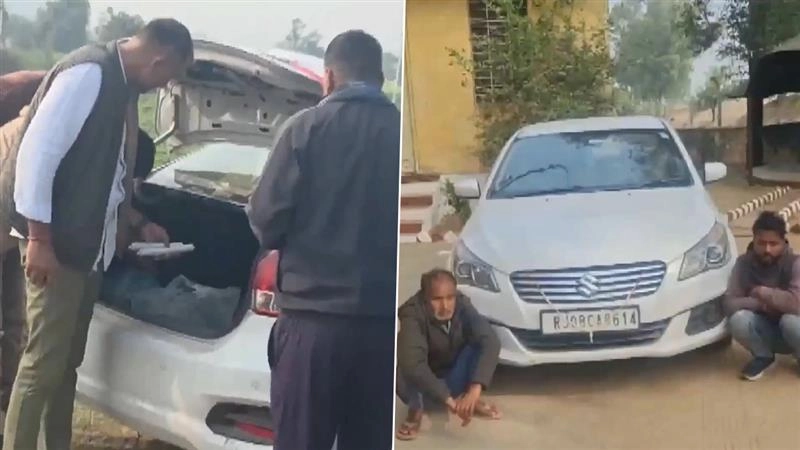
The New Year’s Eve mood in Rajasthan turned tense. On Wednesday, Tonk police launched a focused operation. The District Special Team moved fast. Officers arrested two men and stopped their car. They found 150 kilograms of explosive material inside. The incident raised alarms across the region.
The suspects, Surendra Patwa and Surendra Mochi, come from Bundi district. Officers questioned the pair through the day. Step by step, the team pieced together the trail. According to investigators, the men carried ammonium nitrate in sacks marked as urea. The plan aimed at moving the consignment from Bundi toward Tonk.
Meanwhile, the search of the vehicle revealed more shocking details. Officers seized 200 cartridges. They also collected six bundles of safety fuse wire stretching more than a kilometer. The haul suggested a larger network. Therefore, the team expanded the inquiry. Detectives checked phone records, possible contacts, and supply points.
Soon, broader questions emerged. Who supplied the explosives? Who expected the delivery? What goal stood behind the consignment? Investigators chased each lead. They examined storage sites. They interviewed associates. They mapped the route of the car. They also reviewed earlier cases involving illegal explosives.
At the same time, officers focused on motive. They explored links to illegal mining. They also studied other criminal angles. The team looked for financial trails. They tracked cash transfers and transportation expenses. Each clue helped build a clearer timeline.
The background adds urgency. Recently, Delhi faced a deadly blast near the Red Fort. The explosion killed at least 12 people and injured several more. Authorities linked that attack to ammonium nitrate mixed with other high-grade explosives. After the blast, assessors found that the alleged bomber, Umar-un-Nabi, likely assembled an improvised device in a risky way. The tragedy highlighted the danger of loose explosives.
Because of that event, security agencies strengthened surveillance. They increased highway checks. They reviewed shipments that carried fertilisers and industrial chemicals. Consequently, the Tonk operation gained stronger coordination. Local officers shared inputs with senior teams. Intelligence units flagged suspicious movements.
Still, the case from Tonk raises new concerns. Large quantities of explosives can move across districts with clever concealment. Criminal groups adapt. They hide material inside common farm goods. They switch routes often. As a result, police units need faster information flows and better training.
Even so, the prompt action in Tonk sent a strong signal. Officers acted quickly. They intercepted the car. They removed a serious threat before New Year gatherings. Now, investigators continue the probe and push for more arrests.
Going forward, Rajasthan faces a tough balance. The state must support agriculture, which uses ammonium-based fertilisers. Yet authorities must block criminal misuse. Stricter monitoring, tighter records, and regular audits can close gaps. Public awareness also matters. Citizens can report suspicious stockpiles and unusual transport.
In the end, the Tonk seizure shows one clear lesson. Vigilance saves lives. Swift coordination, clear intelligence, and decisive policing can stop disasters before they unfold.