Republic Day Parade highlights 150 years of ‘Vande Mataram’ and India’s growing military power
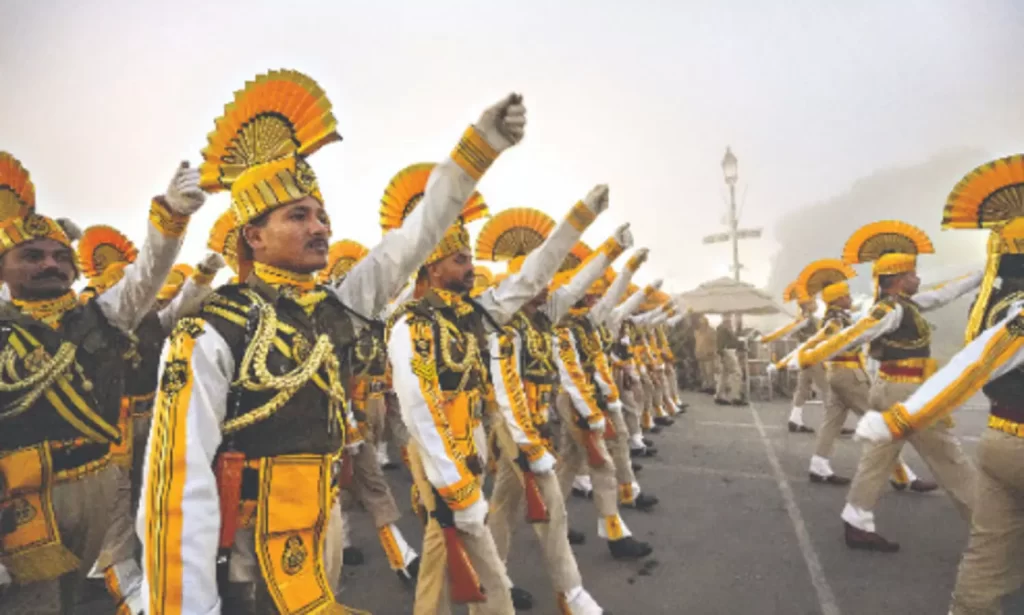
New Delhi – A proud milestone on Friday as India celebrated its 77th Republic Day with a grand parade at Kartavya Path. President Droupadi Murmu led the national celebrations, while European Council President Antonio Costa and European Commission President Ursula von der Leyen attended as chief guests. The event blended history, culture, and military strength, while also reflecting India’s global outreach.
To begin with, Kartavya Path wore a festive look. Authorities decorated the entire stretch from Rashtrapati Bhavan to the National War Memorial to reflect India’s long journey since Independence. This year, the celebrations carried special significance as the nation marked 150 years of the national song Vande Mataram. Through visuals, music, and performances, the parade linked patriotic history with present-day aspirations.
Meanwhile, the Defence Ministry highlighted the broader theme of the parade. It showcased India’s rapid development, strong defence capabilities, and cultural diversity. At the same time, it underlined citizen participation from across regions and communities. As a result, the parade presented both national unity and modern confidence.
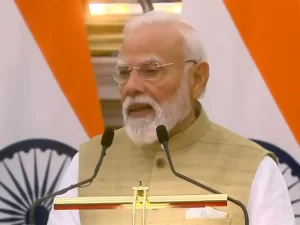
The parade began at 10:30 am and continued for nearly 90 minutes. First, Prime Minister Narendra Modi visited the National War Memorial. There, he paid tribute to fallen soldiers by laying a wreath. Soon after, he joined other dignitaries at the saluting dais on Kartavya Path.
Shortly thereafter, President Murmu arrived in a traditional buggy. The President’s Bodyguard, the Indian Army’s senior-most regiment, escorted her along with the two chief guests. Following tradition, officials unfurled the national flag. The national anthem followed, accompanied by a powerful 21-gun salute. The 1721 Ceremonial Battery of the 172 Field Regiment fired the salute using indigenously developed 105 mm light field guns, reinforcing the focus on self-reliance.
In addition, culture took centre stage. Around 100 artists performed on the theme “Vividata Mein Ekta – Unity in Diversity.” Through music and dance, they represented India’s linguistic, regional, and artistic richness. The performance reminded spectators that diversity remains India’s core strength.
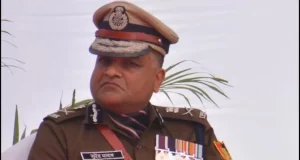
On the command front, Lieutenant General Bhavnish Kumar led the parade as its commander. He serves as the General Officer Commanding, Delhi, and represents the second generation of military service in his family. Supporting him, Major General Navraj Dhillon acted as the Parade Second-in-Command. He serves as Chief of Staff, HQ Delhi, and belongs to a third-generation army family.
Next, gallantry award winners drew loud applause. Param Vir Chakra awardees Subedar Major Yogendra Singh Yadav (retd) and Subedar Major Sanjay Kumar marched with pride. Ashoka Chakra awardees Major General C A Pithawalia (retd) and Colonel D Sreeram Kumar also joined the procession, symbolising courage and sacrifice.
Notably, the European Union contingent added an international dimension. Four flag bearers rode on three gypsies while carrying flags of the EU, the EU Military Staff, EU Naval Force Atalanta, and EU Naval Force Aspides. Their presence highlighted India–EU strategic cooperation.
Finally, the Army unveiled a phased battle array format for the first time. The display included ground and aerial elements. The 61 Cavalry led the reconnaissance segment in combat uniform. An indigenously designed armoured light specialist vehicle followed. Overhead, the Dhruv advanced light helicopter and its armed version, Rudra, provided aerial support. Together, these elements showcased India’s growing military capability and indigenous defence strength.