Red Fort Blast probe exposes 3-year terror plot by Pulwama-Faridabad module
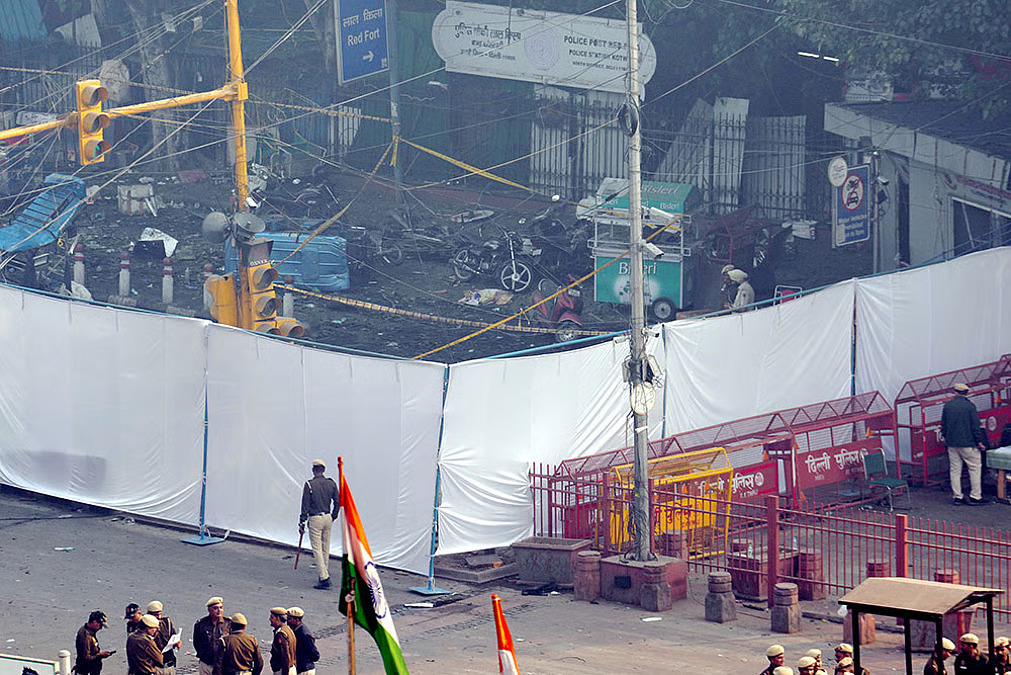
New Delhi – Indian agencies continue to dig deeper into the Red Fort suicide bombing, and the investigation now points to a long, focused terror plan. Interrogation of Dr Umar un Nabi’s accomplices shows that the Pulwama-Faridabad self-radicalized module prepared for an attack in India for at least three years. Officials say the group built its network slowly and avoided any digital trail.
Investigators reveal that Nabi worked closely with two fellow doctors — Muzamil Shakeel and Adeel Ahmad Rather. Together, they stayed in touch with a handler called Abu Aqasha on Telegram. Moreover, they travelled to Turkey in 2022 and met two Islamists known only as Mohammed and Omar. These names sound generic, yet officers familiar with the case believe the doctors wanted to reach Afghanistan to serve pan-Islamic causes and justify their imagined sense of Muslim victimhood. Agencies now aim to uncover the real identities behind these common names.
Meanwhile, intelligence agencies have not confirmed any link to Pakistan or Jaish-e-Mohammed. Even so, they worry about the chemicals the module used. The group seems to have developed a mix of incendiary agents and ammonium nitrate that reduces the ignition temperature of improvised explosive devices. This dangerous formulation likely triggered the accidental explosion at Nowgam police station during forensic sampling. The blast killed nine people, including security personnel, and exposed the extreme volatility of the seized material.
Furthermore, the Red Fort blast has exposed a wider challenge. Electronic intelligence can detect cross-border terror movements, but homegrown jihadists rarely leave digital signals. As a result, agencies find it harder to identify these local modules. Earlier this month, Gujarat ATS arrested a Hyderabad medical representative who tried to produce Ricin under the guidance of Pakistan’s deep state posing as ISKP. That arrest happened only because of cross-border electronic intercepts. In the Red Fort case, however, no such digital clues existed.
Even as NIA and other agencies continue to piece together the conspiracy, experts see a larger threat emerging. Radical groups online push young Muslims towards extremism with curated propaganda and edited visuals from global conflicts. This misinformation fuels a narrative of victimhood. Although the government works to counter this trend, officials insist that de-radicalization demands constant fact-checking and efforts to ensure youth do not feel targeted or isolated.
Finally, security officials agree that the Red Fort bombing marks a turning point. The attack has forced Indian agencies to intensify their search for hidden terror modules across the country. Kashmir will remain a primary focus due to decades of Pakistan-backed radicalization. However, the blast shows that the hinterland also needs equal attention.
The case now stands as a reminder that self-radicalized groups, operating quietly and without electronic signatures, pose one of India’s most complex security challenges.