Rajya Sabha elections begin for 37 seats across 10 states as parties intensify political battle
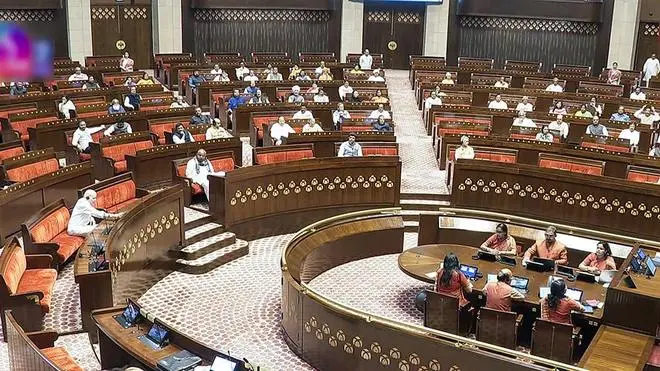
India witnesses a crucial political exercise on Monday as elections for 37 seats of the Rajya Sabha take place across ten states. Political activity rises sharply in several regions as parties mobilise their legislators and strengthen their numbers in the Upper House of Parliament.
The biennial election includes seven seats in Maharashtra, six in Tamil Nadu, five each in Bihar and West Bengal, four in Odisha, three in Assam, two each in Chhattisgarh, Haryana and Telangana, and one seat in Himachal Pradesh. Meanwhile, 26 candidates across seven states move toward unopposed victories, while intense contests continue in the remaining seats.
The ruling National Democratic Alliance holds 134 members in the 234-member Upper House. With several favourable contests, the coalition now aims to strengthen its numbers further. On the other hand, the opposition INDIA bloc holds around 80 seats and seeks to prevent any further expansion of the ruling alliance.
Bihar Contest Draws Major Attention
In Bihar, political focus sharpens as five seats come up for election. Leaders from the ruling alliance express strong confidence before voting begins. Key candidates include Nitish Kumar from the Janata Dal (United), Nitin Nabin from the Bharatiya Janata Party, and Upendra Kushwaha from the Rashtriya Lok Morcha.
Union minister Ram Nath Thakur also contests on a JD(U) ticket and seeks a third consecutive term. BJP state general secretary Shivesh Kumar completes the NDA list of candidates.
Meanwhile, the opposition attempts to consolidate support. Tejashwi Yadav of the Rashtriya Janata Dal reaches out to smaller parties and allies. The RJD relies on support from the All India Majlis-e-Ittehad-ul-Muslimeen after discussions with state leader Akhtarul Iman. The party backs candidate Amrendra Dhari Singh and hopes to gather enough votes inside the assembly.
Odisha Witnesses High Political Drama
Political tension also rises in Odisha where four Rajya Sabha seats go to polls. Parties exchange accusations and closely monitor their legislators. Congress leaders lodge complaints about alleged bribery attempts targeting MLAs. Police in Bengaluru arrest two suspects who allegedly approached legislators with financial offers.
At the same time, the BJP moves its MLAs to the port town of Paradip for a training session on the voting process. Chief minister Mohan Charan Majhi supervises preparations and coordinates with party leaders. Meanwhile, BJD chief Naveen Patnaik holds repeated meetings with party MLAs and urges them to vote according to the party line.
Haryana Leaders Shift MLAs Before Voting
In Haryana, Congress leaders shift their legislators between resorts in Himachal Pradesh to ensure unity ahead of voting. Chief minister Sukhvinder Singh Sukhu meets the MLAs during their stay in Kufri. Later, the party moves them to Kasauli under tight security.
Three candidates compete for two Rajya Sabha seats in the state. The BJP nominates Sanjay Bhatia, while Congress fields Karamvir Singh Boudh. Independent candidate Satish Nandal also enters the race with BJP support. Each candidate requires 31 votes to secure victory.
Several Seats Move Toward Unopposed Results
Several states witness smoother contests. In Maharashtra, seven candidates prepare for unopposed entry into the Upper House. Among them are BJP leaders Vinod Tawde and Ramrao Wadkute, along with Sharad Pawar’s party nominee.
Similarly, Tamil Nadu sends six candidates unopposed, including DMK leader Tiruchi Siva and PMK chief Anbumani Ramadoss. In Telangana, senior advocate and Congress leader Abhishek Manu Singhvi secures one of the two seats without a contest.
Background and Significance
Rajya Sabha elections occur every two years as members complete six-year terms. State legislators vote in these elections through a proportional representation system. As a result, party strength in state assemblies directly influences outcomes.
Therefore, Monday’s voting carries strong political significance. Parties aim not only to secure seats but also to demonstrate unity and legislative strength. The vote count later in the day will clarify how the balance of power in the Upper House evolves in the coming months.