
Rajdhani Express–Elephant Collision in Assam: What happened, why it matters, and the wider safety challenge
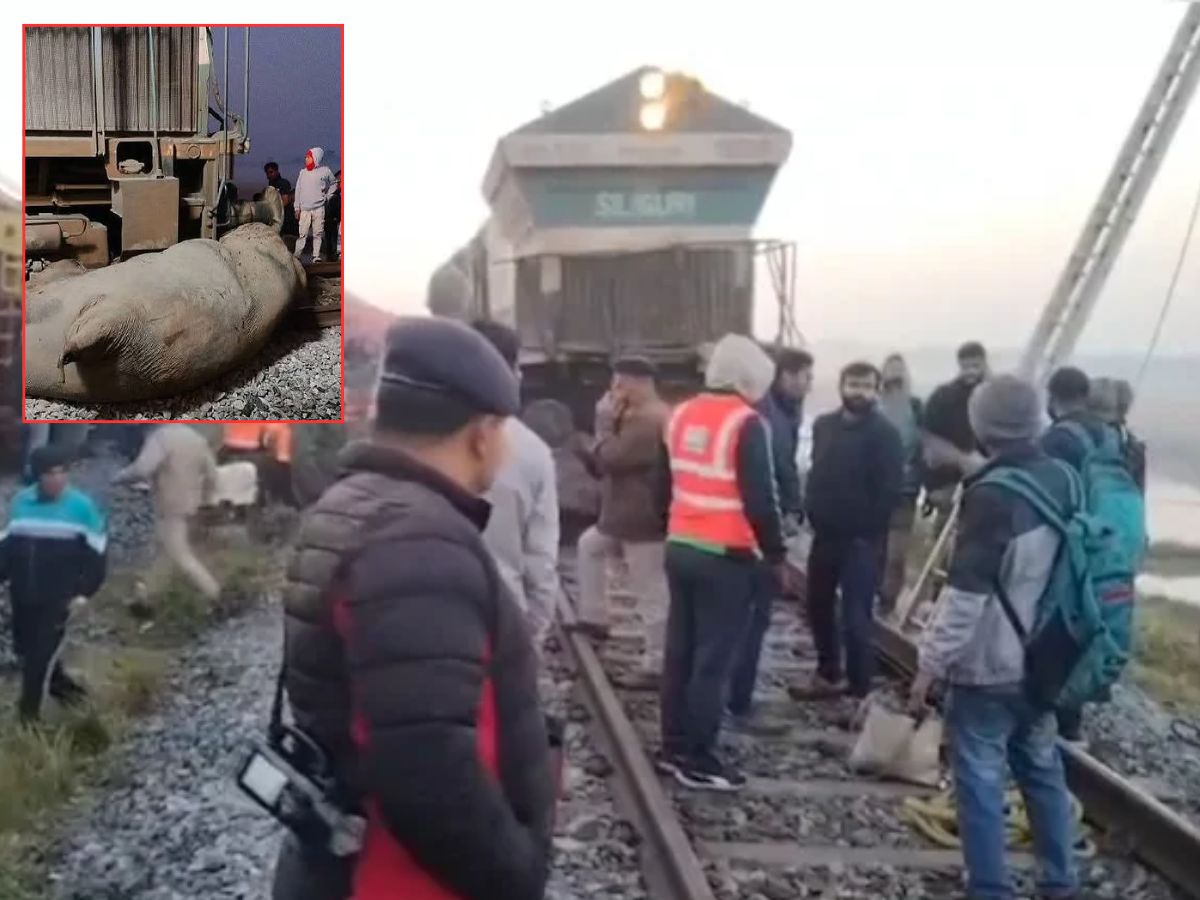
A tragic train–wildlife collision disrupted rail services in Assam early Saturday. The Sairang–New Delhi Rajdhani Express struck a herd of elephants in Hojai district. The impact killed seven elephants and injured one calf. It also derailed the locomotive and five coaches. Officials confirmed that no passengers suffered injuries.
The accident occurred around 2:17 am. The Rajdhani Express was travelling toward New Delhi. It connects Sairang near Aizawl in Mizoram with Anand Vihar Terminal in Delhi. Railway authorities quickly issued helpline numbers from Guwahati to assist passengers and families.
Soon after the collision, railway officials and accident relief teams rushed to the site. The location lies about 126 km from Guwahati. Teams began clearing the tracks and managing stranded passengers. Elephant bodies and debris blocked the railway line, which delayed restoration work.
As a result, train movement toward Upper Assam and other parts of the Northeast faced disruption. Railway sources said services could resume only after full clearance and safety checks. Meanwhile, officials shifted passengers from the affected coaches to vacant berths in other coaches. The Railways also planned to attach additional coaches once the train reached Guwahati. After that, the train would continue its journey.
According to officials, the incident did not occur inside a notified elephant corridor. The loco pilot spotted the herd on the tracks and applied emergency brakes. However, the elephants moved toward the train. The collision followed within seconds. The force of impact caused multiple coaches to derail.
This incident adds to a growing list of similar tragedies. Last month, a train hit an elephant in Dhupguri in West Bengal’s Jalpaiguri district. That accident killed an adult elephant on the spot. Forest officials later found a calf injured near the tracks. That incident occurred on November 30.
Data from the Environment Ministry highlights the scale of the problem. Over the last five years, train collisions killed at least 79 elephants across India. The ministry shared this figure with Parliament in August. The data covers the period from 2020–21 to 2024–25. It relies on reports from states and Union Territories.
The ministry does not maintain consolidated data on other wildlife deaths on railway tracks. This gap includes deaths inside and outside designated elephant corridors. However, individual cases continue to draw attention to the risks.
The ministry has acknowledged repeated accidents on busy rail routes. For instance, on July 18 this year, a speeding express train killed three elephants in West Bengal’s Paschim Midnapore district. The victims included a mother elephant and her calf. The collision occurred near Banstala between Jhargram and Banstala stations.
In response, authorities have rolled out several preventive measures. The Railways and the Environment Ministry have imposed speed restrictions in elephant habitats. They have also launched pilot projects that use seismic sensors to detect elephant movement near tracks. In addition, agencies have built underpasses, ramps, and fencing at vulnerable locations.
The Wildlife Institute of India has also stepped in. It issued guidelines on eco-friendly infrastructure design. These guidelines aim to reduce human–animal conflict along rail and road networks. The institute has also conducted training workshops for railway officials to raise awareness about elephant conservation.
Moreover, experts surveyed 127 railway stretches across 14 states. They identified 77 high-risk stretches covering nearly 2,000 km. Authorities have prioritised these sections for site-specific safety interventions.
The Assam collision once again underscores the urgency of these measures. As train speeds rise and networks expand, the challenge of protecting wildlife grows sharper. The incident serves as a stark reminder that infrastructure safety must move in step with conservation.