Rahul Gandhi slams VB-G RAM G Bill, calls it ‘Anti-Village’
On Friday, Rahul Gandhi, Leader of Opposition in Lok Sabha, criticized the newly passed Viksit Bharat Guarantee for Rozgar and Ajeevika Mission (Gramin) Bill, or VB-G RAM G Bill, calling it “anti-village.” He accused the government of bulldozing the law through Parliament without proper scrutiny.
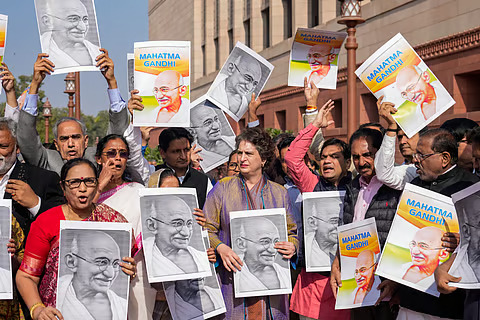
The opposition leader’s remarks came amid ongoing protests over the bill that replaces the long-standing MGNREGA scheme. Taking to his official X handle, Gandhi wrote that the law does not revamp MGNREGA but destroys its “rights-based, demand-driven guarantee.” He warned that it converts the program into a rationed scheme, controlled centrally from Delhi, stripping rural workers of bargaining power.
Rahul Gandhi highlighted the importance of MGNREGA during crises. He noted that the scheme helped crores avoid hunger during the COVID-19 lockdown. Women, he added, contributed more than half of the person-days under the program, and the bill threatens this empowerment. He emphasized that the old MGNREGA allowed rural workers to negotiate wages, reducing exploitation and distress migration. The new law, he argued, removes this leverage.
Gandhi accused the government of bypassing parliamentary norms. He said the bill should have gone to the standing committee for proper review, but the demand was rejected. “A law that rewires the rural social contract, affecting crores of workers, should never be rammed through,” Gandhi tweeted.
He directly challenged the Modi government, alleging that it aims to weaken rural labor rights while presenting slogans as “reform.” Gandhi expressed solidarity with workers, panchayats, and states to oppose the bill. “We will not let this government destroy the rural poor’s last line of defence,” he added.
The VB-G RAM G Bill passed in Lok Sabha on Thursday. Opposition parties staged a walkout and protested the legislation inside the Parliament. Gandhi’s comments reflect the continued tension over the bill’s impact on rural employment and local governance.
Experts and analysts point out that replacing MGNREGA, a scheme that guarantees work and wages, with a centrally controlled model could alter the rural labor landscape significantly. Critics argue it may reduce workers’ bargaining rights, especially in regions with higher distress migration and unemployment. Supporters of the government, however, claim the new bill aims to streamline rural employment and provide targeted support to those in need.
As protests continue, the debate over the VB-G RAM G Bill is likely to dominate political discourse. Opposition leaders, including Rahul Gandhi, have vowed to challenge the legislation at multiple levels, emphasizing the protection of rural workers’ rights. Meanwhile, the government maintains that the reform will modernize rural employment schemes and ensure better delivery of welfare benefits.
The controversy highlights the tension between centralization of welfare schemes and local empowerment in rural India. The bill’s implementation and its effects on labor rights will remain a key issue in the coming months, especially with rural livelihoods at stake.