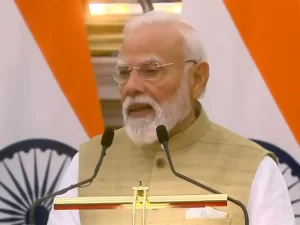
Putin’s India visit: Defence, trade shields and strategic autonomy take centre stage
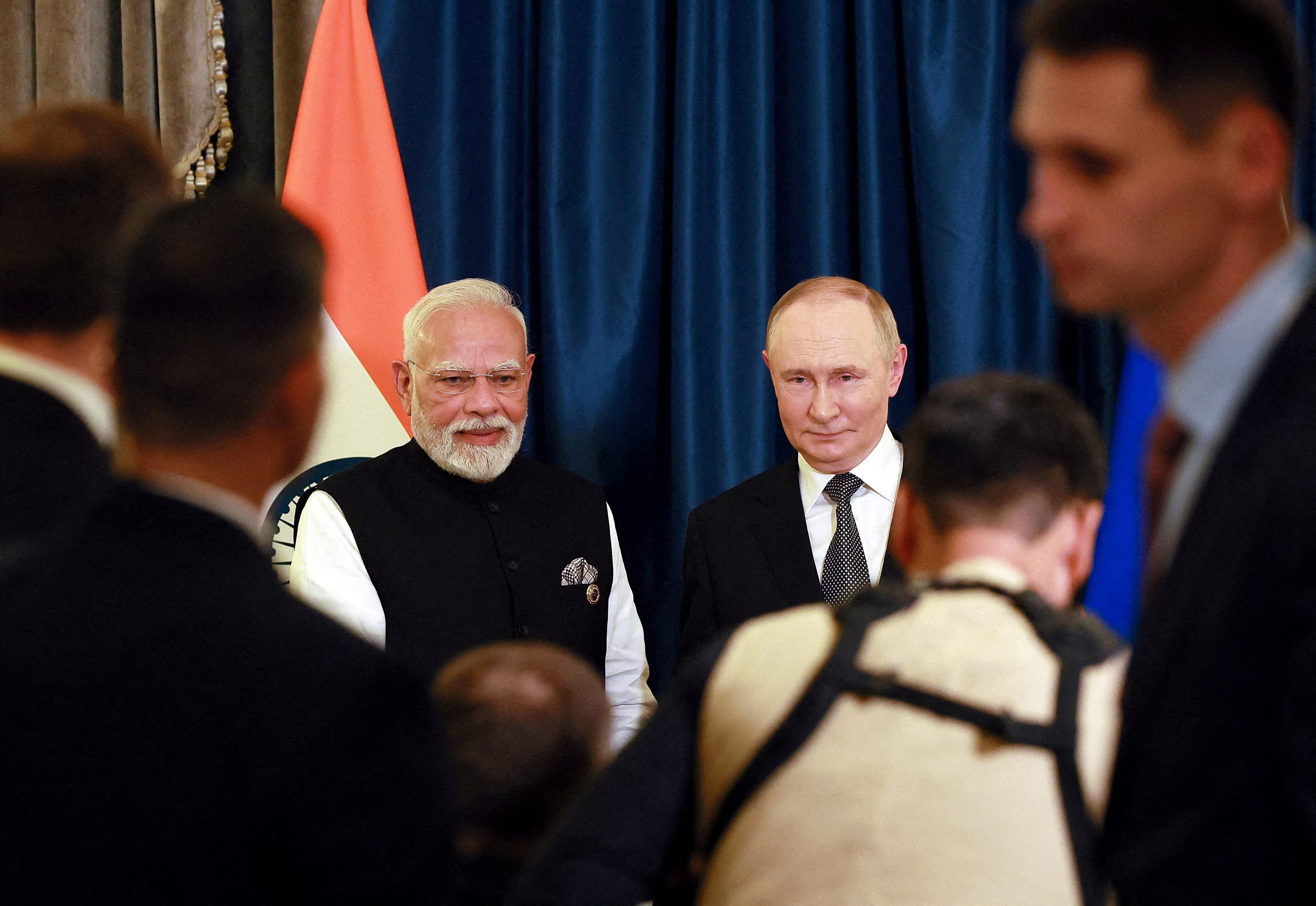
Russian President Vladimir Putin will arrive in New Delhi on Thursday, December 4, for a crucial summit with Prime Minister Narendra Modi the next day. The visit revives the annual India-Russia leaders’ meeting that paused after Moscow launched its invasion of Ukraine. With tensions high and global alignments shifting, both sides want to strengthen defence ties, secure trade flows and signal strategic intent.
To begin with, the Kremlin has made its priorities clear. Putin’s spokesperson, Dmitri Peskov, said Moscow wants to protect India-Russia trade from US sanctions. Washington’s measures hit Russian banks, oil, technology and defence sectors. These restrictions have forced India and Russia to design new payment routes and alternative shipping mechanisms. As the summit approaches, both sides plan to lock in more stable trade channels.
Meanwhile, Russia has also cleared a key defence agreement. The State Duma ratified the Reciprocal Exchange of Logistic Support pact, which allows the two militaries to use each other’s facilities for supplies, refuelling and repairs. Speaker Vyacheslav Volodin said the move reflects trust and long-term cooperation. India sees this as a practical step that improves military mobility and strengthens interoperability with a long-time partner.
As the summit agenda expands, New Delhi wants to highlight its strategic autonomy. India continues to buy discounted Russian crude despite strong US pressure. It also maintains defence purchases from Moscow while diversifying into Western systems. By hosting Putin, India signals that it will shape its partnerships on its own terms. At the same time, New Delhi wants to keep space open for cooperation with the US, Europe and Japan.
Furthermore, both sides are preparing for talks on nuclear energy. Russia plans to offer small modular reactors to support India’s clean energy goals. This aligns with India’s search for reliable, long-term, non-carbon-intensive power sources. If negotiations progress, the partnership could extend beyond the Kudankulam nuclear plant, the centrepiece of bilateral civilian nuclear cooperation.
On the trade front, momentum is building. Last week, India and the Eurasian Economic Union, a five-nation bloc anchored by Russia, opened negotiations on a free trade agreement. Indian officials expect the talks to reduce tariff and non-tariff barriers. Alongside the FTA push, both sides have also finalised a pact on mobility of skilled and semi-skilled workers. This arrangement will support sectors such as construction, engineering and services.
As the visit draws near, the broader picture is clear. India wants stable access to Russian energy, military hardware and strategic technologies. Russia wants a reliable Asian partner to counter Western pressure. Both governments want to shield commercial ties from sanctions. The summit offers a chance to reinforce these overlapping interests while managing differences that arise from global power shifts.
In sum, Putin’s New Delhi trip will test how India balances its ties with major powers at a time of geopolitical flux. Defence cooperation is expanding, trade frameworks are tightening and nuclear collaboration is entering new territory. With these developments, the Modi-Putin summit aims to reset the partnership for a more turbulent world.