Probe exposes lapses in Madhya Pradesh HIV-Thalassemia Case: What investigators found so far
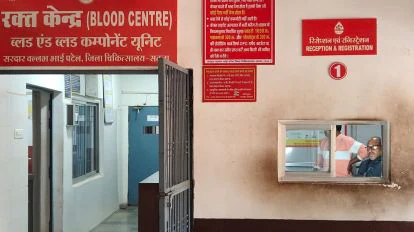
A state inquiry in Madhya Pradesh has uncovered serious failures in a government blood centre. The probe examines how five children with thalassemia contracted HIV during blood transfusions in Satna district. Investigators say the lapses span oversight, testing, and record-keeping.
First, the inquiry team flagged broken systems inside the blood centre. Officials failed to maintain donor records. Staff did not log company details or batch numbers of testing kits. Crucially, technicians did not conduct mandatory HIV and related tests before transfusions. These gaps, the team says, created conditions for infection.
Next, the report named senior officials and detailed their roles. Dr Manoj Shukla, former civil surgeon and chief hospital superintendent at Satna District Hospital, faced a show-cause notice. The government warned of disciplinary action under service rules if he fails to explain his conduct. Investigators said Shukla did not inspect the blood centre during his tenure. They also said he did not ensure proper testing or record maintenance. The report described these failures as a gross violation of duty.
However, Shukla disputed parts of the findings. He told investigators that nodal officers from the local AIDS control society did not inform his office about the HIV infections. The inquiry noted the claim but stressed that oversight duties rested with the hospital leadership.
Then, the focus shifted to the blood bank in charge. The state suspended Dr Devendra Patel, a pathology specialist who headed the blood bank. The order moved him to the Regional Director, Health Services, Jabalpur Division. Investigators said Patel held responsibility for smooth operations. They concluded that he did not discharge those duties. The report again cited gross violations.
Patel offered a defense. He said the blood bank tested samples using advanced CLIA machines. He claimed the tests showed HIV-negative results at the time of donation. Investigators continue to verify these assertions against records and kit traceability.
After that, the inquiry examined lab technicians. Rambhai Tripathi, a technician, bore responsibility for proper testing and records. The report said staff transfused blood to children without completing HIV and other required tests. The finding pointed to procedural breakdowns at the last mile.
Similarly, technician Nandlal Pandey faced allegations of non-compliance. The report said he failed to test donor blood as per rules and guidelines. It also said he did not maintain mandatory records. Again, investigators found instances where staff transfused blood without completing required tests.
Meanwhile, authorities widened the probe. Multiple teams from state and central health departments began parallel reviews. A team from the National AIDS Control Organisation planned to arrive in Satna to assist. Their mandate includes technical audits and protocol checks.
At the same time, investigators started tracing donors. Teams began tracking nearly 200 blood donors. They also reviewed transfusion procedures and compliance logs. In addition, they compiled a list of private nursing homes that conduct transfusions to assess practices beyond the district hospital.
Finally, officials signaled further action. The government indicated that accountability would follow evidence. Investigators continue to match donor data with testing records. They also aim to establish timelines and responsibility chains.
Overall, the probe paints a picture of systemic failure. Weak oversight, poor documentation, and skipped tests intersected. As the investigation deepens, authorities promise corrective steps to prevent repeat lapses and to protect vulnerable patients who rely on transfusions.