PM Modi’s Israel visit highlights strategic trust and personal bond With Netanyahu: Israeli envoy
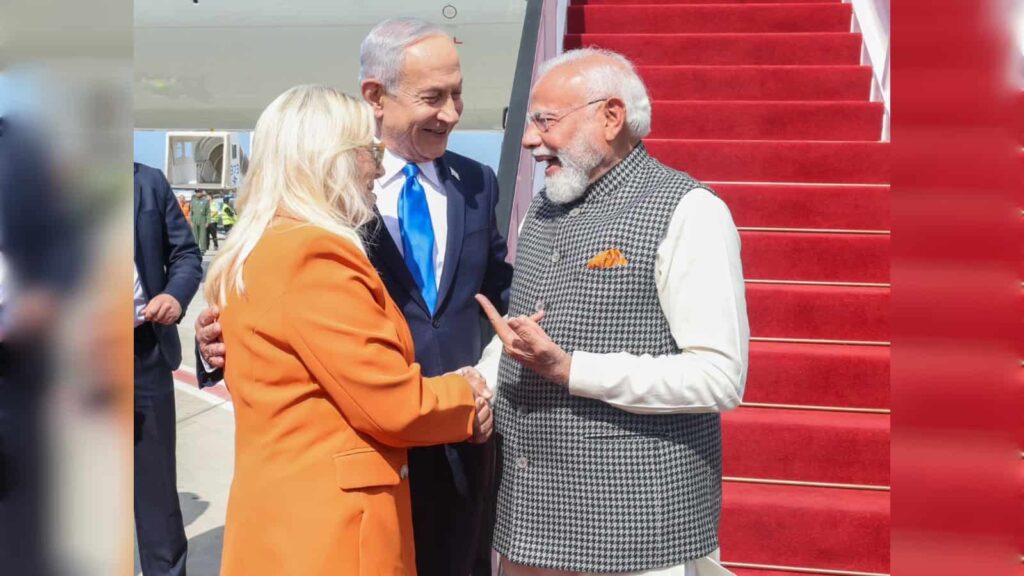
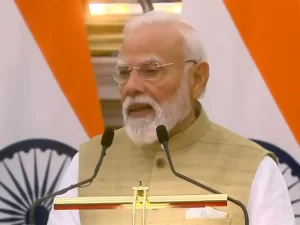
Prime Minister Narendra Modi began his Israel visit amid strong diplomatic momentum. Leaders in both countries view the trip as a milestone in bilateral ties. Israeli Special Envoy for Trade and Innovation Fleur Hassan-Nahoum described the visit as timely and strategic.
Speaking in Jerusalem, Hassan-Nahoum said the region has changed dramatically over the past two years. She pointed to shifting alliances and new economic alignments. Therefore, she argued, India and Israel must seize this moment. “We could be looking at a new region,” she said, stressing fresh opportunities for cooperation.
First, she highlighted growing strategic trust. India and Israel have expanded defence and counter-terror cooperation over the years. Both countries face security threats and share a similar outlook on national resilience. As a result, they coordinate closely on intelligence and security matters.
Next, she underlined economic cooperation. Israel views India as a key trade partner and a hub of innovation. According to Hassan-Nahoum, both nations share a commitment to technology, entrepreneurship and growth. She emphasized collaboration in sectors such as agri-tech, water management, cybersecurity and startups.
Moreover, she referred to multilateral initiatives. She cited the proposed India-Middle East-Europe Economic Corridor (IMEC). The corridor aims to connect India with Europe through the Middle East and Israel. She said this route could reshape trade flows and improve connectivity. In addition, she noted cooperation with the United Arab Emirates as part of this broader framework.
Importantly, Hassan-Nahoum stressed the personal chemistry between Prime Minister Modi and Prime Minister Benjamin Netanyahu. She said both leaders show bold leadership styles. They take decisive steps and challenge conventional thinking. Consequently, their rapport strengthens diplomatic engagement.
This marks Modi’s second visit to Israel since his landmark 2017 trip. Netanyahu had planned a return visit to India, but domestic developments in Israel delayed that plan. Still, Hassan-Nahoum insisted that their relationship extends beyond protocol. She recalled images from earlier meetings, including their walk along the Mediterranean coast. She said those moments symbolized trust and shared vision.
Counter-terrorism remains central to the partnership. Both nations have confronted extremist violence for decades. Therefore, they exchange expertise and strengthen joint preparedness. Hassan-Nahoum said shared challenges deepen mutual understanding.
On trade, she expressed optimism about a possible Free Trade Agreement. She called such a pact “game-changing.” According to her, both economies complement each other naturally. Israel sees India not just as a market but as a long-term partner.
Finally, she highlighted Modi’s upcoming address to the Knesset. Israel reserves this platform for close allies. She described the invitation as a mark of high respect. She added that Israeli citizens regard Modi as an influential global leader.
Overall, the visit signals deeper alignment, expanding cooperation and a growing strategic partnership between the two nations.