PM Modi: India–EU Trade pact opens new doors for youth, manufacturing, and Atmanirbhar Bharat
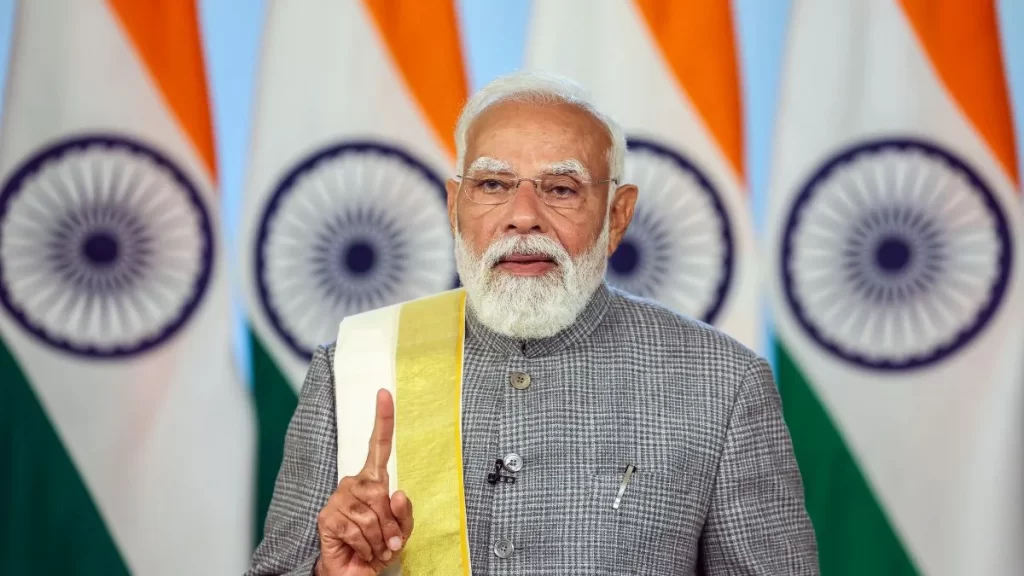
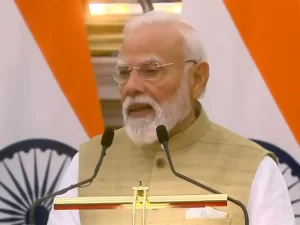
Prime Minister Narendra Modi on Thursday hailed the India–European Union Free Trade Agreement as a major opportunity for the country. He linked the pact to India’s ambitious youth and the vision of atmanirbhar Bharat. He urged Indian traders and manufacturers to focus on quality and scale up global competitiveness.
Speaking to the media at Parliament, the Prime Minister underlined the importance of preparedness. First, he said Indian businesses must understand the scale of the European market. Next, he stressed that quality would decide success. He asked traders to send their best products to Europe, now that the market stands open.
“This is an opportunity,” Modi said. He added that the first mantra of this opportunity remained quality. He called on exporters to treat the pact as a gateway to global standards. He also highlighted that the agreement demanded confidence and consistency from Indian industry.
Meanwhile, Modi connected the trade deal to long-term national goals. He said the pact aligned with India’s push for self-reliance. He explained that atmanirbhar Bharat did not mean isolation. Instead, it meant strength, capability, and global integration. According to him, the FTA reflected that approach.
At the start of the current quarter, the agreement signaled a positive direction, Modi said. He described the deal as free trade for an ambitious India. He also called it free trade for aspirational youth. Further, he said it strengthened India’s economic future.
The Prime Minister expressed confidence in Indian manufacturers. He said they would use the opportunity to upgrade skills, technology, and production. He noted that access to the EU market would push Indian firms to meet high benchmarks. As a result, competitiveness would rise across sectors.
The India–EU Free Trade Agreement marks a key milestone in bilateral ties. Negotiators from both sides worked for years to resolve differences. Finally, they reached consensus on trade, services, and market access. The deal now opens doors to one of the world’s largest economic blocs.
The European Union represents a massive consumer base. It also offers advanced supply chains and high-value markets. With the pact in place, Indian exporters can expand their footprint. Sectors such as pharmaceuticals, medical devices, textiles, and engineering stand to gain.
In addition, the agreement supports India’s employment goals. Greater exports can drive factory growth. That growth can create new jobs. Young professionals, in particular, may benefit from rising demand and skill upgrades.
Modi’s remarks came soon after a high-profile visit from European leaders. European Commission President Ursula von der Leyen and European Council President Antonio Costa visited India earlier this week. During the visit, both sides announced the trade deal. Leaders described it as historic and forward-looking.
Since then, policymakers have stressed implementation. They have urged industry to prepare quickly. Analysts say the success of the pact will depend on execution. Quality control, logistics, and compliance will play a crucial role.
The Prime Minister echoed that view. He said Indian businesses must move fast but stay disciplined. He emphasized long-term thinking over short-term gains. According to him, the agreement rewards those who invest in excellence.
Overall, the India–EU trade pact marks a strategic shift. It strengthens India’s global trade position. It also reinforces the link between economic growth and youth aspirations. As Modi framed it, the agreement signals confidence in India’s future and trust in its capabilities.