Pawar family closes ranks as Ajit, Sharad join hands for local poll battle
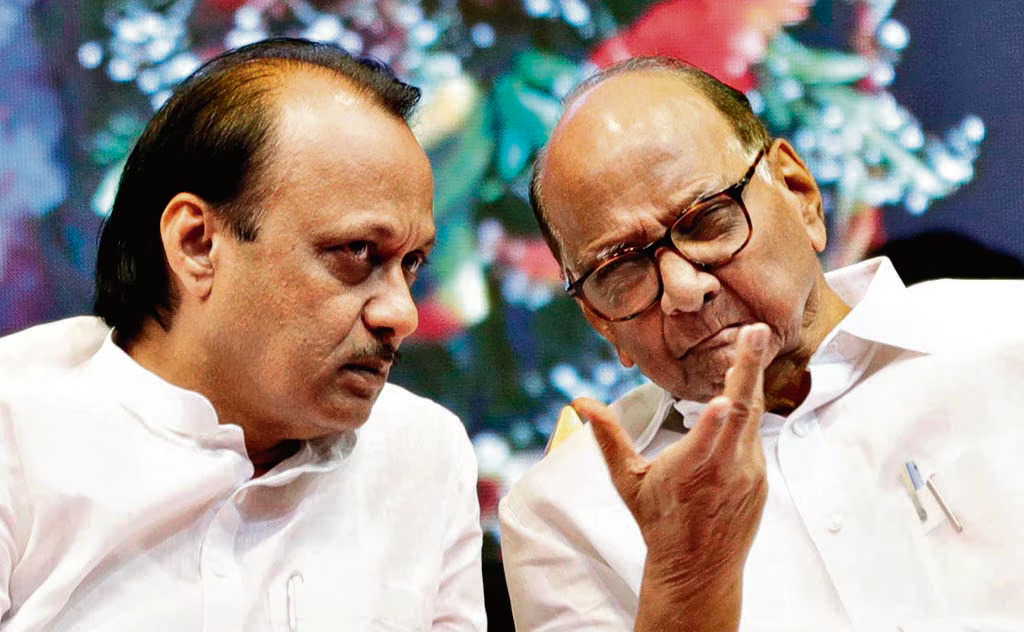
Ajit Pawar chose clarity. He stepped on stage in Pimpri-Chinchwad. Then he declared unity. He said the family now moves together. He also said Maharashtra needs stability and quick decisions.
Ajit leads one faction of the Nationalist Congress Party. His uncle Sharad leads the other. Both men fought tough political battles over the past year. Yet, ahead of crucial local polls, they shook hands. They agreed to contest together in Pimpri-Chinchwad. They also began talks for broader coordination.
Ajit addressed party workers. He spoke about candidate selection. He said both sides discussed names. He said the groups reached an understanding. He promised a final list soon. He referred to the two symbols — the clock and the tutari — and said they now stand side by side. He framed the move as a decision for development. He said growth matters more than internal rivalry.
Meanwhile, the calendar looks tight. Maharashtra goes to civic polls in several cities. Voters in Pimpri-Chinchwad and Pune cast ballots on January 15. Counting takes place the next day. Aspirants rush to file papers before December 30. Local leaders jockey for influence. Parties build coalitions. Each camp studies turnout trends and ward strengths.
At the same time, Pune remains complex. Talks between the two NCP factions earlier dragged on. Both sides held meetings for days. However, they failed to land a formula. Sharad Pawar then shifted course. He reopened doors with the Maha Vikas Aghadi. That alliance includes the Congress and the Shiv Sena (UBT). The partners met again. They mapped seats. They revived coordination cells.
Sources within the bloc voiced concern. They said uncertainty hurt preparations. They also said the city needed a clear message. With Sharad back at the MVA table, morale lifted. Congress leaders signaled readiness. Shiv Sena (UBT) leaders echoed that tone. They argued that united campaigns drive higher turnout.
Ajit, however, kept lines open. He continued informal exchanges with Pune leaders. He asked for data. He reviewed candidate strengths. He stressed discipline. His camp insisted on fair bargaining. They cited regional pockets where their organization looks strong. They also said voters want practical governance, not drama.
Meanwhile, Sharad emphasized legacy. He met workers from rural belts. He reminded them of earlier developmental projects. He urged restraint. He asked everyone to avoid public spats. He said the party must focus on price rises, city infrastructure, and jobs.
Now, observers watch the family dynamic. Some analysts see tactical realism. Others see a trial reconciliation. Yet many agree on one point. Local polls demand ground coordination. Booth workers need clarity. Voters dislike confusion. Therefore, both leaders signal cooperation at least for select municipalities.
Still, questions remain. How will seat sharing work in Pune? Will the alliance expand beyond local polls? Will rival camps trust one another long enough? Party insiders keep their answers guarded. They say negotiations continue. They also say final calls depend on feedback from district committees.
For now, Ajit and Sharad stand together in Pimpri-Chinchwad. The family brand returns to a joint stage. The race begins. The outcome may shape future equations across Maharashtra.