Paramilitary Forces likely to exit Bastar by March 2027, says Chhattisgarh Deputy CM
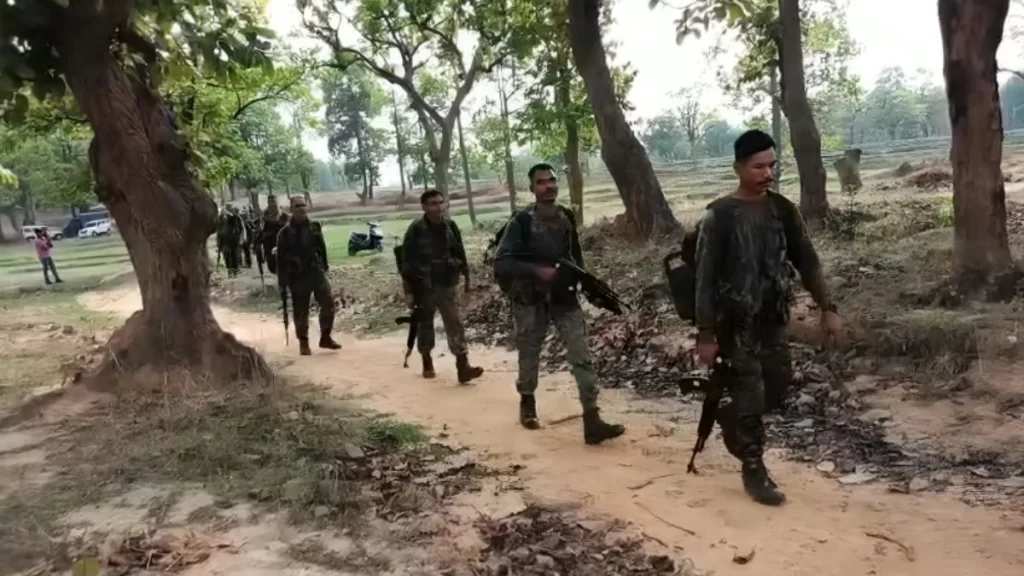
The government of Chhattisgarh indicated a possible reduction of central security forces in the conflict-affected Bastar region. Deputy Chief Minister Vijay Sharma told the state assembly that most paramilitary personnel could leave Bastar by March 31, 2027. He linked the timeline to the broader effort to end Left-wing extremism in the region.
Sharma explained that the Union government set March 31, 2026 as the target date to eliminate armed Maoist activity. According to him, security planners expect significant progress before that deadline. Therefore, authorities may begin withdrawing central forces one year later.
Government Sets Timeline for Withdrawal
Sharma addressed the assembly during a discussion on internal security and policing. He said officials have already discussed a tentative timeline for the withdrawal process.
According to him, security forces will likely begin returning from Bastar by March 31, 2027. However, he added that some units might leave even earlier if conditions remain stable. Sharma further noted that the process could vary slightly depending on ground realities.
The Bastar region has witnessed decades of violence linked to the Naxalite–Maoist insurgency. Central paramilitary forces entered the region in large numbers to support state police in counter-insurgency operations. Over the years, security agencies expanded their presence to restore law and order and dismantle Maoist networks.
Now, the government hopes that sustained security operations and development initiatives will weaken insurgent influence. If that goal succeeds, authorities plan to reduce the heavy deployment of central forces.
Budget Allocation for Police Strengthening
During his address, Sharma also discussed financial allocations for the state police department. The state government set aside ₹7,130.48 crore under the revenue expenditure category for policing and operational costs.
In addition, the budget includes ₹590.53 crore under capital expenditure. This funding will support infrastructure upgrades, equipment purchases and modernization projects.
Together, these allocations raise the total police budget to ₹7,721.01 crore. Sharma said the funding will strengthen security operations and improve policing capacity across the state.
Rehabilitation Plan for Former Maoists
The state government also continues rehabilitation efforts for individuals who leave the Maoist movement. Sharma said the administration allocated ₹38 crore for rehabilitation programs under the central government’s policy.
The program includes fixed deposit support and vocational training opportunities. Officials hope these initiatives will help former insurgents rebuild their lives and reintegrate into society.
Authorities believe that rehabilitation and employment programs can weaken insurgent recruitment in the long run. Therefore, the government plans to expand such schemes in conflict-affected districts.
Opposition Calls for Peace and Celebration
Meanwhile, former chief minister Bhupesh Baghel welcomed the goal of ending Maoist violence. He told the assembly that every citizen wants peace in Bastar and across the state.
Baghel reminded the House that the government repeatedly promised to end Maoism by March 31, 2026. He noted that the deadline now approaches quickly.
He also suggested a symbolic gesture. Baghel proposed that the assembly hold a special session on March 31 if the insurgency ends as planned. According to him, lawmakers could mark the occasion as a milestone for the state.
Focus on Bastar’s Future
Baghel also emphasized the importance of development after the conflict. He said Bastar should primarily benefit its local communities once violence declines.
The region holds vast natural resources and cultural heritage. However, decades of insurgency slowed economic progress and infrastructure growth.
State leaders now see an opportunity to change that trajectory. If security improves and paramilitary forces withdraw gradually, the government plans to focus on development, education and employment in Bastar.
For now, officials remain cautious. They acknowledge that security improvements must continue before any large-scale withdrawal occurs. Still, the proposed timeline signals growing confidence within the government that the long struggle against Maoist insurgency could finally approach its end.