Pakistan seeks return of dissidents as it offers to take back UK Grooming Gang convicts
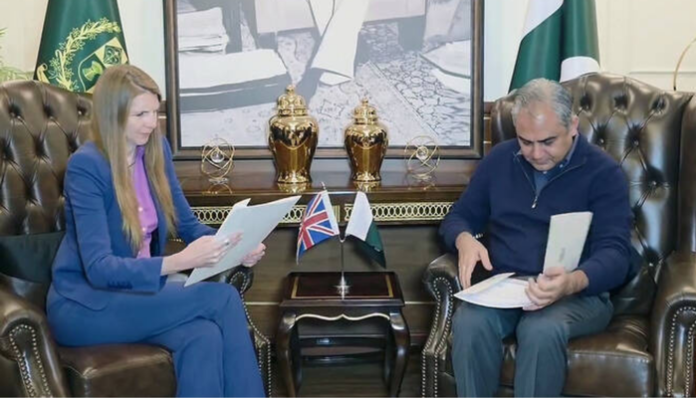
Pakistan began the latest push with a meeting in Islamabad. Interior Minister Mohsin Naqvi met UK High Commissioner Jane Marriott on December 4. He raised concerns about “fake news”, illegal migrants, and critics of the regime. Soon after, sources told independent US-based outlet Drop Site News that Naqvi also floated a sensitive proposal. He said Pakistan would take back two convicted grooming-gang members, Qari Abdul Rauf and Adil Khan. In return, Islamabad wanted Britain to hand over Shahzad Akbar and Adil Raja.
Both Akbar and Raja remain sharp critics of the Pakistani military and the federal government. They left Pakistan after April 2022 and now live in the UK. They accuse the Munir-Sharif regime of repression. Pakistan calls them fugitives who spread “defamation” against state institutions.
As this proposal surfaced, experts highlighted the shocking past of the grooming gangs. These networks involved mostly Pakistani-origin men who targeted vulnerable minors across towns like Rochdale, Rotherham, Telford, and Oldham. They lured teenage girls, used coercion, and gang-raped them over years. Survivors described extreme violence. One girl was assaulted by 30 to 40 men in a single night. These crimes shook Britain.
Successive British governments have demanded the deportation of Rauf and Khan. Yet Pakistan refused to accept them. The offenders lost their UK citizenship in 2018, but they also renounced their Pakistani citizenship. That move left them stateless and blocked the process. The alleged new proposal signals a possible shift by Islamabad.
However, no official confirmation has come from either government. British officials did not acknowledge any such deal. Pakistani readouts also avoided mentioning grooming-gang offenders. They only referred to undocumented Pakistanis.
Still, the diplomatic noise kept rising. Critics in the UK and Pakistan accused Islamabad of “weaponising” grooming-gang offenders. Human-rights groups condemned what they called “transnational repression”. They warned that sending Akbar or Raja back to Pakistan could expose them to political persecution. Raja already received a 14-year sentence in a court-martial held without representation.
Journalists and activists questioned Pakistan’s motives. They argued that the state wanted dissidents more than criminals. They said the government tried to silence voices that challenge military dominance, human-rights abuses, and political engineering in the country.
Meanwhile, the grooming-gang crisis remained a major issue in Britain. Survivor groups fear the inquiry launched by Prime Minister Keir Starmer may be diluted. They accuse the government of avoiding deep scrutiny of grooming-gang networks and failing to protect victims for decades. Elon Musk amplified this debate online, claiming hundreds of thousands of children suffered systemic abuse.
As tensions grow, both countries face legal hurdles. Pakistan and the UK do not have a formal extradition treaty. They rely on special one-time arrangements allowed under UK law. Any extradition requires multiple clearances. Human-rights safeguards also play a key role.
Now the alleged deal threatens to complicate bilateral ties. Pakistan could argue that Britain selectively protects dissidents. The UK could question Pakistan’s human-rights record. Both sides risk public backlash if they appear to compromise on crimes involving minors or political freedoms.
The controversy opens a difficult chapter. Pakistan wants to assert political control. Britain wants justice for grooming-gang survivors. Each goal clashes with the other. For now, the reported proposal remains unofficial. But the debate exposes deep mistrust between the two countries. It also reveals how sensitive criminal cases can become political weapons.
As both governments weigh their next steps, the stakes remain high. Survivors demand closure. Dissidents demand protection. And diplomacy wrestles with ethics, law, and public outrage.