Pakistan faces domestic anger after India secures better US Trade Deal
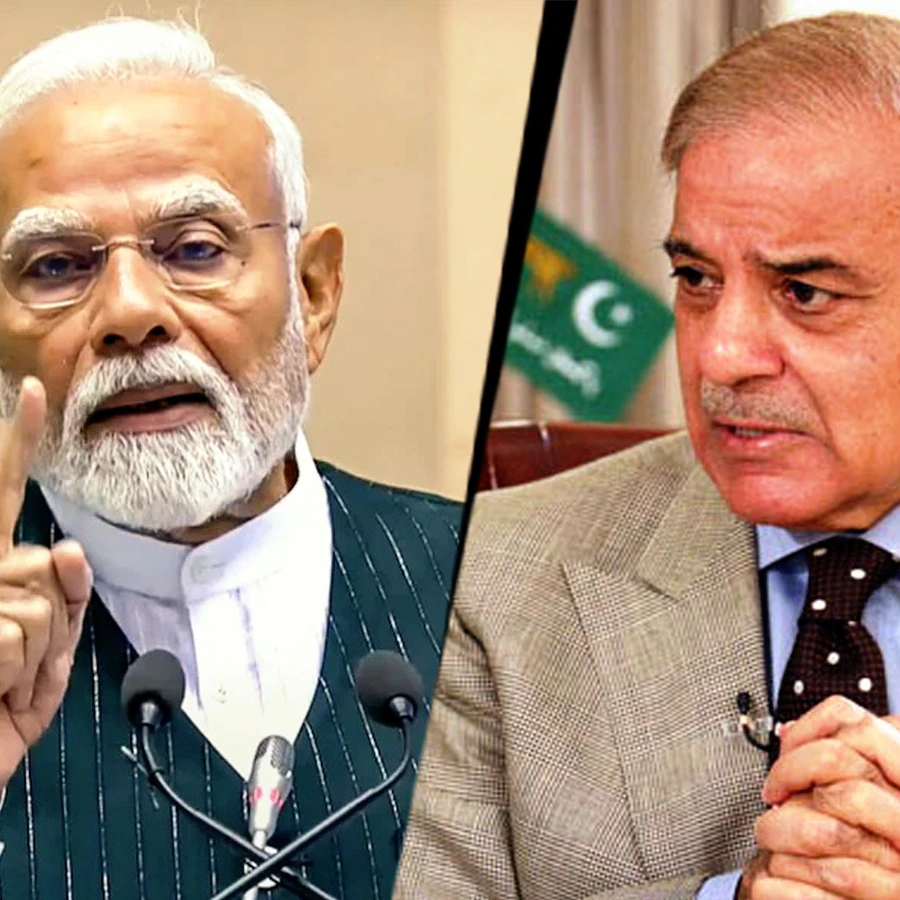
New Delhi’s latest trade agreement with the United States has reshaped regional politics. It has also triggered sharp reactions in Pakistan. Critics there say Islamabad’s long outreach to Washington failed to deliver results. Meanwhile, India walked away with a stronger deal.
First, the numbers tell the story. Under the new agreement, the US will impose an 18 percent tariff on Indian exports. Pakistan will face a 19 percent rate. The gap appears small. However, politically, it carries heavy weight.
For months, President Donald Trump pressed New Delhi for concessions. Yet, India stayed firm. It resisted pressure. It protected market access. It defended its economic interests. As a result, negotiators secured better terms.
In contrast, Pakistan followed a different path. Islamabad focused on personal diplomacy. It courted Trump openly. It praised his leadership. It even supported his international recognition. Still, the effort failed to produce lower tariffs.
Soon after the deal, Trump highlighted his ties with India. He posted images of India Gate. He shared magazine covers with Prime Minister Narendra Modi. Then, he announced the tariff cut. The message spread quickly online.
Across Pakistan, reactions followed immediately. Many users expressed shock. Others showed anger. Several questioned their government’s strategy. They asked why loyalty did not bring rewards.
One viral post reflected the mood. A Pakistani user compared the country’s leaders to abandoned partners. The post mixed sarcasm with frustration. It spread widely on social media. It captured public disappointment.
Meanwhile, political leaders joined the debate. Former PTI minister Hammad Azhar criticised the government. He said foreign policy now depends on economic strength. He stressed tariffs and market access. He dismissed photo opportunities as useless. He pointed to India’s deals with the EU and the US as proof.
At the same time, opposition parties seized the moment. PTI leaders accused the government of weak diplomacy. They said India negotiated with confidence. They said Pakistan relied on personal ties. According to them, this approach failed.
Journalists also raised concerns. Asad Toor warned about deeper risks. He highlighted falling exports. He mentioned declining foreign investment. He spoke about shrinking bargaining power. He argued that the tariff decision reflects wider economic weakness.
Similarly, Imran Riaz Khan criticised the leadership. He called the outreach strategy ineffective. He said political leaders tried to “sell” the country’s resources. Yet, he argued, respect cannot be purchased.
Digital commentators echoed this view. Wajahat Khan compared the two approaches. He described India as a partner. He portrayed Pakistan as a dependent player. He linked the outcome to weak public support for the government.
Meanwhile, India continues to expand its trade network. It has signed major agreements with the European Union. It has also finalised the US deal. Officials expect these pacts to boost exports. Estimates suggest potential gains of 150 billion dollars over ten years.
These agreements strengthen India’s global position. They improve market access. They attract investment. They also enhance diplomatic leverage.
On the other hand, Pakistan faces mounting pressure. The economy struggles with inflation. Debt remains high. Foreign reserves stay fragile. In this context, the tariff setback adds to public frustration.
Therefore, the trade deal has become more than an economic issue. It has turned into a political symbol. It reflects contrasting strategies. It highlights differences in negotiation style.
In the end, the message appears clear. India relied on institutional strength. It focused on long-term interests. Pakistan depended on personal outreach. That approach failed.
As critics now argue, influence grows from economic power, not praise. And in global trade, respect follows results.