No Third-Party Role: India rejects China’s claim of mediating Pakistan truce
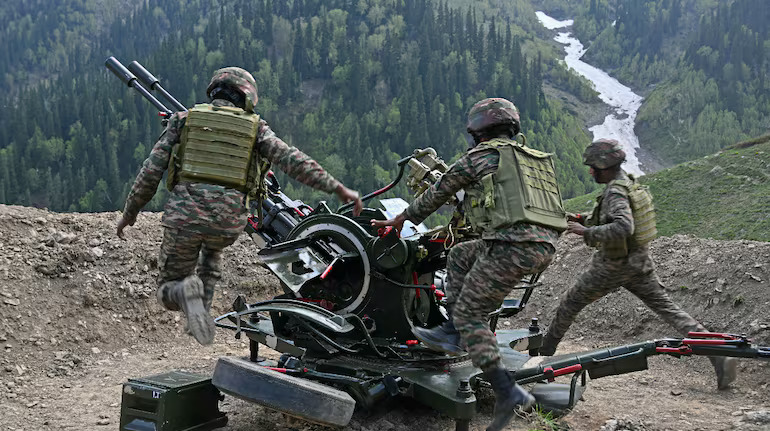
India drew a firm line this week. New Delhi rejected China’s claim that Beijing mediated the ceasefire with Pakistan earlier this year. Officials in Delhi said direct conversations between the two militaries shaped the decision. They stressed that India and Pakistan handled the matter themselves.
First, Indian officials underlined the basic principle. India treats talks with Pakistan as bilateral. Therefore, no outside country enters the room. Officials recalled earlier briefings and repeated the same point. They said they clarified this stand many times. They also said the latest Chinese claim ignores the facts.
Next, they described how the ceasefire came together. Senior officers from both armies spoke after Operation Sindoor. The conversations took place on May 10. The Directors General of Military Operations reviewed the situation. They agreed on steps to cool tensions. The two sides then moved ahead with those steps along the Line of Control. Indian sources said the chain of events shows direct engagement, not mediation.
Meanwhile, China presented a different story. Foreign Minister Wang Yi highlighted several conflicts while speaking at a public event. He said China played a role in managing multiple crises. He mentioned Myanmar, Iran, West Asia, Southeast Asia, and South Asia. He included India and Pakistan in that list. He framed China’s effort as “building peace that lasts.” He also said China focused on both immediate flare-ups and deeper causes.
However, Indian officials saw the remarks as overreach. They said the statement creates confusion. They added that China cannot claim credit for talks it never joined. The officials also pointed to Beijing’s close alignment with Islamabad. According to them, that alignment raises doubts about China’s neutrality during the crisis.
At the same time, analysts recalled earlier claims from Washington. Former U.S. President Donald Trump often suggested he “saved” the region during tense moments. He repeated that line many times at global forums and press conferences. Indian diplomats answered him with the same message then. They said India does not invite third parties into bilateral disputes. The current response to China follows the same pattern.
Furthermore, strategic observers in Delhi raised another angle. They argued that China’s narrative aims to project global influence. By claiming mediation, Beijing seeks diplomatic credit. It also signals that rivals should treat China as a central power in security debates. Indian experts warned that such narratives can distort facts and shape public opinion.
Still, New Delhi prefers clarity over confrontation. Officials did not escalate the matter with sharp rhetoric. Instead, they restated policy in plain terms. India talks directly. India manages crises with Pakistan through established channels. India avoids foreign intermediaries.
In conclusion, the episode highlights a larger contest. China wants recognition as a peacemaker. India wants respect for sovereignty and bilateral processes. The two visions collide at moments like this. For now, India holds its ground. And the message stays simple: when the issue involves India and Pakistan, the dialogue stays between them.