
No new mining leases in Aravallis: Centre issues tough order to states
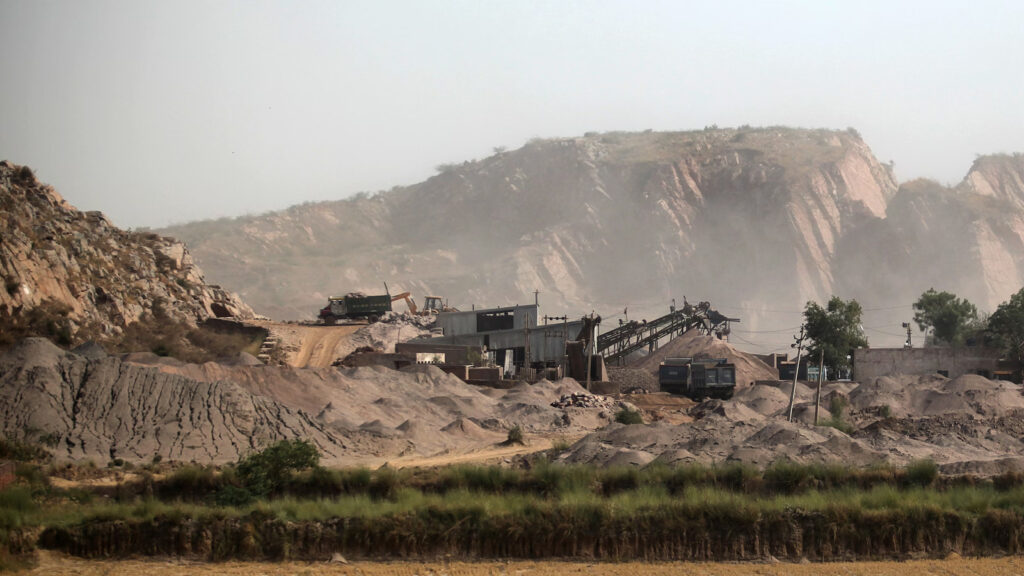
New Delhi – The Centre draws a firm line on mining in the Aravallis. The Union government orders states to stop granting any new leases. The decision follows weeks of debate. It also follows the Supreme Court’s freeze on fresh approvals. The message sounds clear: conserve first, mine later—only under strict rules.
The environment ministry leads the push. It directs states to halt new permissions across the entire range. The directive covers the stretch from Delhi to Gujarat. It treats the Aravallis as one connected ecological system. Therefore, officials frame the policy around continuity, not fragmented patches.
Meanwhile, the government seeks science-based oversight. It tasks the Indian Council of Forestry Research and Education to map sensitive zones. The council will study geology, ecology, and landscape linkages. Then it will flag areas that demand total protection. The Centre wants clarity before anyone reopens the door to expansion.
At the same time, the directive puts existing mines on notice. State authorities must enforce environmental safeguards. They must monitor operations closely. They must also align every approval with the Supreme Court’s orders. Regulators, therefore, carry direct responsibility for compliance.
The background explains the urgency. On November 20, the Supreme Court upheld a uniform definition of the Aravalli hills and ranges. The court also told the Centre to design a Management Plan for Sustainable Mining. Until that plan reaches completion, the court barred fresh leases. The judgment highlighted the ecological role of the Aravallis. The range slows desert winds. It supports biodiversity. It helps recharge groundwater in regions that already feel water stress.
However, the court did not ask for a total mining shutdown. The judges warned that blanket bans sometimes fuel illegal networks. Instead, they asked the government to build a rigorous, transparent framework. The plan will mirror models used in other fragile forests and mineral belts.
Public debate, though, continues. Some campaigners argue that a height-based definition may exclude smaller hillocks. They fear gaps in protection. They also worry that new classifications may weaken green cover in the long run. Opposition leaders echo those concerns. They demand absolute clarity before any relaxation.
The Centre counters those claims with new directions. Officials say the rule aims to protect the entire landscape. They stress continuity across state borders. They also promise tighter checks on every operating mine. The policy, they argue, seeks balance: development with limits, extraction with discipline.
Meanwhile, the conversation reaches local communities. Farmers link the Aravallis to rainfall patterns. Residents link them to clean air. Urban planners link them to groundwater. Each group views the mountains as a living shield.
Looking ahead, the next steps look crucial. The council must finish its mapping. The ministry must finalize the long-term mining plan. States must enforce the rules without delay. Until then, no new leases move forward.
In short, the Centre draws a red line. It chooses conservation. It calls for science. And it signals that the Aravallis matter—not only to mining policy, but to climate security, water stability, and the future of the region.The Centre draws a firm line on mining in the Aravallis. The Union government orders states to stop granting any new leases. The decision follows weeks of debate. It also follows the Supreme Court’s freeze on fresh approvals. The message sounds clear: conserve first, mine later—only under strict rules.