NMC pulls MBBS approval from Vaishno Devi Institute over serious shortfalls
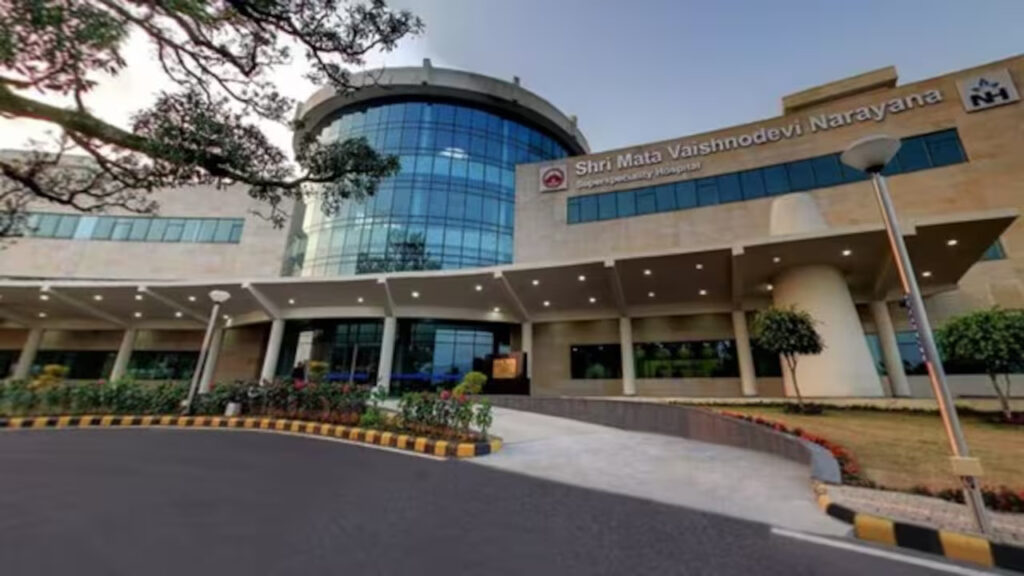
The National Medical Commission took a hard call in Jammu and Kashmir. It withdrew approval for the MBBS course at the Shri Mata Vaishno Devi Institute of Medical Excellence. The decision came after inspectors found major gaps in infrastructure, staffing, and training. The institute had planned 50 seats for the 2025–26 session. Instead, the plan collapsed.
First, the board reviewed complaints. Students, doctors, and staff raised concerns. They pointed to poor facilities and weak clinical exposure. The commission then ordered a surprise inspection. The team reached the campus. It checked wards, labs, operation theatres, and classrooms. The findings shocked the board.
Next, the commission compiled its assessment. It reported large gaps in teaching faculty. It counted a shortage of resident doctors. It saw thin patient flow. It noticed weak diagnostic support. The inspectors flagged empty labs. They also flagged lecture halls that failed to meet norms. The library lacked books and journals. The operation theatres ran with limited capacity. The intensive care units saw low use. The commission called these gaps “gross deficiencies.”
Meanwhile, the commission weighed the risk to students. It warned that poor training would damage careers. It said unsafe learning would hurt future patients. So, the board chose quality over speed. It cancelled permission for the MBBS course. It also cited rules under national regulations. The board signaled accountability.
However, the board protected the current students. It announced a relocation plan. The health authorities will shift the admitted students to other recognized colleges in Jammu and Kashmir. The students will keep their seats. They will continue their course without loss of time. The board framed this as a student-first measure.
The institute also faced another storm. A controversy broke out over admissions. Forty-six Muslim students earned seats in the first batch. Some local groups objected. They demanded preference for Hindu students. They argued that the shrine’s donations built the college. Protests spread. Political tempers rose.
Then, leaders entered the debate. Former chief minister Omar Abdullah urged the government to move the students. He rejected communal arguments. He defended merit. He said education needs fairness, not division. He asked the Centre to close the college if it cannot run it well. He asked authorities to place the students in safe campuses.
At the same time, some groups launched campaigns. They organized marches. They called for fresh admission lists. They sought exclusive reservation. The tension deepened the crisis around the institute.
Now the road ahead looks tough. The college must rebuild credibility. It must upgrade infrastructure. It must hire qualified faculty. It must raise patient load and improve services. Only strong reforms can restore trust.
For students and parents, the moment feels uncertain. Yet, the relocation plan offers relief. The commission promises oversight. The health department will manage the transition.
In the end, this episode sends a clear message. Medical education needs standards. Regulators will act when colleges fail them. And students deserve a campus that teaches well, treats safely, and builds confidence.