National interest first: Jaishankar assures energy security amid West Asia crisis
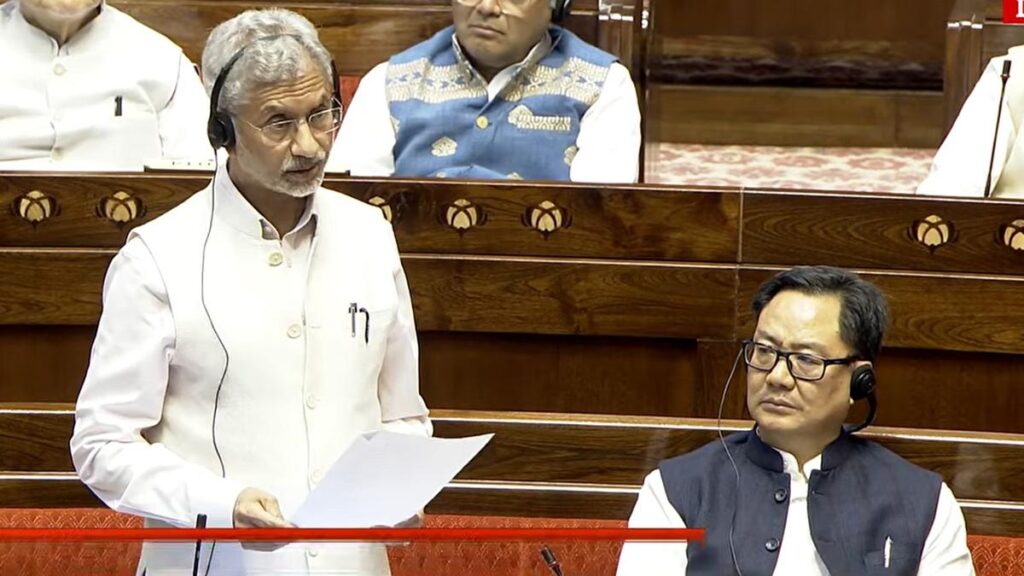
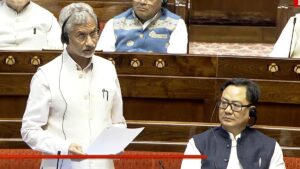
India’s government on Monday reaffirmed its commitment to protect the country’s energy security as tensions in West Asia continue to disrupt global oil markets. External Affairs Minister S. Jaishankar addressed the issue in the Rajya Sabha and outlined the government’s approach during the ongoing geopolitical crisis.
First, Jaishankar emphasized that India will place national interest above all other considerations. He said the government carefully evaluates energy purchases by examining cost, risk, and supply availability. According to him, these three factors guide India’s energy strategy in times of global uncertainty.
The minister also stressed that the government will protect the interests of Indian citizens while navigating international tensions. He stated that policymakers will continue to prioritize national welfare while making decisions related to energy imports and supply chains.
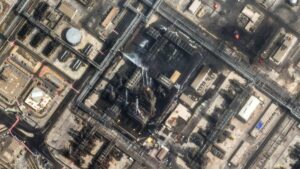
His remarks came as global oil markets reacted sharply to the ongoing conflict involving the United States, Iran, and Israel. The war has increased pressure on oil production and shipping routes in the West Asian region. As a result, energy-importing countries like India have started monitoring the situation closely.
Meanwhile, the government has moved quickly to reassure consumers and markets. Officials stated that India currently faces no immediate risk to its fuel supply. Petroleum Minister Hardeep Singh Puri had earlier addressed similar concerns and confirmed that the country holds sufficient reserves to manage short-term disruptions.
According to government officials, India maintains healthy crude oil inventories and refined fuel stocks. In addition, the country operates strategic petroleum reserves designed to handle emergencies. These reserves allow India to maintain energy stability during global supply shocks.
At the same time, authorities have increased monitoring of fuel supply systems across the country. The petroleum ministry has established a 24-hour control room to track stock levels and distribution networks. Officials use this monitoring system to respond quickly if supply challenges emerge.
Government sources also noted that current stock levels remain comfortable. Therefore, authorities believe the country can manage the present situation without immediate shortages. However, policymakers continue to observe developments in the region carefully.
The concern mainly revolves around the Strait of Hormuz, a critical maritime route for global oil shipments. This narrow waterway lies between Iran and Oman and handles a large share of the world’s crude oil trade. Any disruption in this route can affect energy markets worldwide.
India relies significantly on this shipping corridor. The country imports slightly more than five million barrels of crude oil each day. Out of this total, around half of the shipments normally travel through the Strait of Hormuz. Because of this dependence, regional instability can influence supply routes and transportation costs.
However, Indian officials highlight an important shift in the country’s energy strategy. Over the past few years, India has diversified its oil sourcing network. The country now purchases crude oil from more than forty nations across multiple regions.
Supplies now arrive from North America, Latin America, West Africa, and parts of Russia in Asia. These diversified sources reduce India’s reliance on any single region. As a result, the country gains greater flexibility during geopolitical crises.
Experts say this diversified approach strengthens India’s long-term energy resilience. If one supply route faces disruption, alternative suppliers can step in to maintain flow. Therefore, the government believes the country holds a stronger position compared to previous global crises.
In conclusion, India continues to monitor the West Asia conflict while protecting its energy interests. Officials remain confident about current reserves and diversified supply chains. At the same time, the government plans to adjust its strategy if global conditions change.