Modi pushes urgent diplomacy as West Asia tensions rise over energy attacks
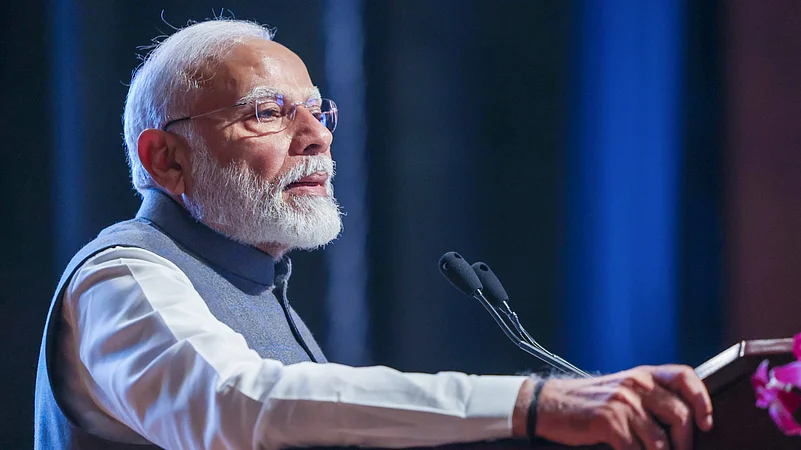
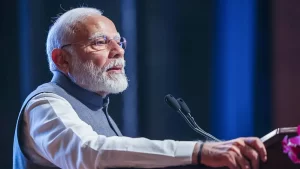
New Delhi – Prime Minister Narendra Modi stepped up diplomatic outreach on Thursday. He spoke with leaders across West Asia and Europe. He raised concern over the escalating Iran–United States conflict. At the same time, he strongly condemned attacks on critical energy infrastructure. He urged immediate de-escalation through dialogue and diplomacy.
First, Modi connected with Tamim bin Hamad Al Thani. He expressed solidarity with Qatar. He also thanked Doha for supporting the Indian community. Moreover, he stressed the need to protect energy facilities from further attacks. He highlighted safe navigation through the Strait of Hormuz. This route remains vital for global oil supply.
Next, Modi spoke with Abdullah II. He shared Eid greetings and called him a close partner. Then, he flagged rising instability in West Asia. He warned that attacks on energy assets could trigger wider conflict. He also appreciated Jordan’s help in evacuating stranded Indians. Both leaders supported uninterrupted movement of goods and energy.
Meanwhile, Modi held a key conversation with Emmanuel Macron. He pushed for urgent de-escalation. He emphasised diplomacy as the only viable path forward. Macron echoed the same view. He confirmed close coordination with India. Together, they aim to stabilise the region and prevent further escalation.
After that, Modi reached out to Haitham bin Tariq. He described the exchange as productive. He underlined respect for Oman’s sovereignty. He also praised Muscat’s role in helping people, including Indians, return safely. Both sides agreed to prioritise dialogue and restore stability.
In addition, Modi spoke with Anwar Ibrahim. He extended festive greetings ahead of Hari Raya. He then discussed the worsening crisis. Both leaders backed diplomatic efforts to calm tensions quickly.
Ground Angle: Rising Anxiety Over Energy and Safety
On the ground, uncertainty continues to grow. Energy markets show signs of stress. Tanker movement faces risks near key routes. Indian families in the region watch developments closely. Many rely on local support systems and embassy advisories. Evacuation efforts, where needed, depend on regional cooperation. Countries like Jordan and Oman play a crucial role in this process.
At the same time, businesses track oil price fluctuations. Higher prices could impact transport and daily costs back home. Therefore, stability in the Gulf matters directly to Indian consumers and workers abroad.
Background: Energy Attacks Deepen Crisis
The conflict intensified after Iran targeted oil and gas facilities in the Gulf. These strikes followed an Israeli attack on the South Pars gas field. This field ranks among the world’s largest. It supplies a major share of Iran’s energy needs. In fact, natural gas fuels nearly 80% of Iran’s electricity.
Meanwhile, Donald Trump issued a sharp warning. He threatened massive retaliation if Iran continues its actions. On the other side, Benjamin Netanyahu hardened his stance. He declared that Iran must halt uranium enrichment and missile development.
As tensions rise, global concern deepens. However, India continues to push a balanced approach. Modi’s outreach signals urgency. It also reinforces India’s role as a voice for dialogue, stability, and secure energy flows.