Maharashtra civic polls- Claims of a Congress–BJP deal spark drama
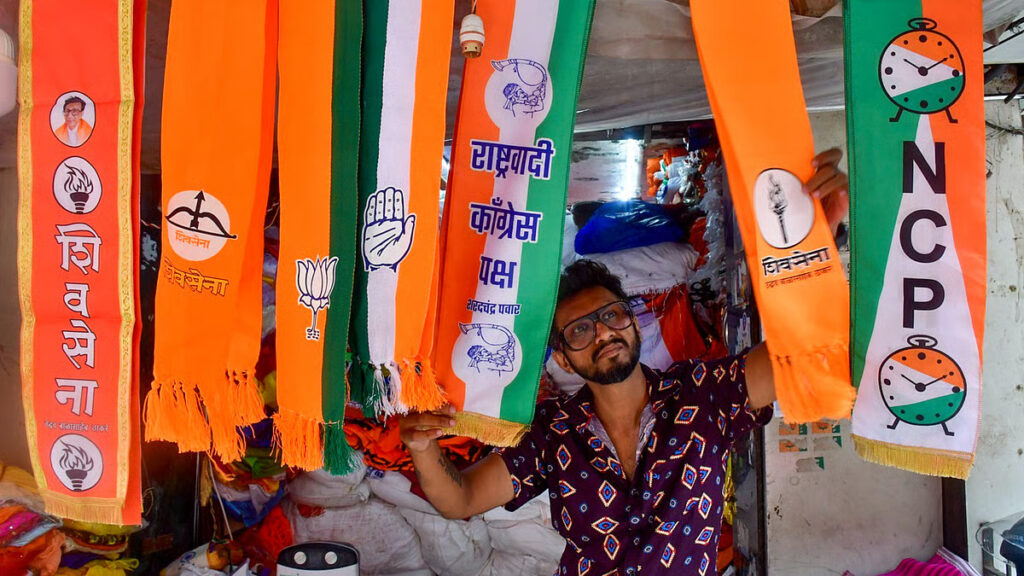
Maharashtra enters election mode. The State Election Commission announces local body polls. The commission fixes voting for January 15. It sets counting for January 16. Therefore, the race begins in full view.
The commission maps 29 municipal corporations. The tally covers 2,869 seats. Big cities headline the contest. Mumbai votes. Navi Mumbai votes. Thane, Pune, Nashik, and Nagpur vote. Chhatrapati Sambhajinagar joins the list. Every city brings local issues. Yet every city also shapes state politics.
Parties sense high stakes. The BJP pursues momentum after the 2024 Assembly victory. Leaders speak about expansion. Workers knock on doors. Candidates talk about services, roads, taxes, and water. Meanwhile, rival parties scramble for unity. They bargain over seats. They debate symbols and strategy. Every meeting carries tension.
However, another story grows louder. Several leaders accuse Congress and the BJP of a secret understanding. They claim quiet deals in select wards. They hint at friendly contests. Congress leaders deny such claims. BJP leaders reject the charge. Both sides accuse opponents of rumor-mongering. Still, the chatter travels across districts. Therefore, voters watch closely.
Chief Minister Devendra Fadnavis launches an aggressive tour. He plans more than 50 rallies. He moves between Mumbai, Pune, and Nagpur. Then he heads to other cities. He calls the election a test of urban governance. He promises quicker projects, safer streets, and cleaner neighborhoods. He attacks opponents over corruption and stalled works. Crowds gather. Party workers chant. The campaign grows intense.
State BJP chief Ravindra Chavan adds another layer. He addresses dozens of rallies. He urges voters to support stability. He highlights central schemes. Election in-charge Chandrashekhar Bawankule covers ground as well. He coordinates booths. He pushes volunteers. The party runs a tightly managed operation. Data teams track every ward. Phone banks reach undecided voters. Social media amplifies speeches.
Meanwhile, the Opposition seeks cohesion. Congress leaders court allies. They hold joint events with local partners. They promise transparency, cheaper services, and accountable councils. They accuse the BJP of power politics. They link local anger to national issues. Yet internal disputes slow decisions. Ticket fights create friction. Some leaders walk out. Others negotiate again.
The Shiv Sena factions compete for relevance. Each faction claims the original legacy. Each leader appeals to Marathi pride. Ward-level cadres focus on loyalty. Voters hear rival slogans from the same symbol family. Confusion rises. Therefore, party workers double their outreach.
NCP leaders split their time between consolidation and explanation. They defend alliance choices. They chase winnable pockets. They emphasize price rise and unemployment. They frame the civic polls as a referendum on daily life.
On the ground, citizens speak about drainage, garbage, hospitals, and buses. Young voters discuss jobs and transport. Traders discuss licenses and taxes. Women talk about safety and sanitation. Every lane tells a story. Every complaint seeks a quick fix.
Now the clock ticks. Campaign vans circle neighborhoods. Leaders shift from strategy to turnout. Police prepare security grids. Poll officials move material. Volunteers test phone lists. Booth agents rehearse.
Next week, voters judge promises. Then they judge performance. And finally, they shape the balance of power in Maharashtra’s cities. The drama over alleged deals continues. But the ballot decides the truth.