Last-minute duty turned deadly: How a schedule change put Capt Sumit Kapoor on the Ill-fated Baramati Flight
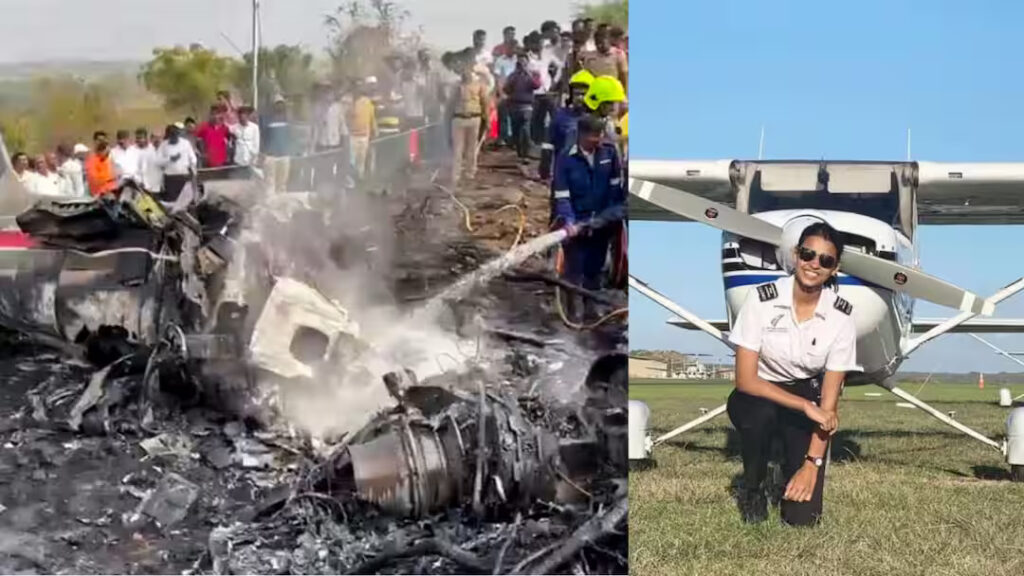
India woke to shock on Wednesday after a Learjet 45 crashed in Maharashtra’s Baramati, killing five people, including veteran pilot Captain Sumit Kapoor. As investigators piece together the cause, friends have revealed a crucial detail. Kapoor did not plan to fly that day. A last-minute change placed him in the cockpit.
According to close associates, Captain Kapoor stepped in after another pilot got stuck in traffic. He agreed to take charge of the flight shortly before departure. Friends said he treated the change as routine. They stressed that such adjustments often happen in aviation. However, this decision turned fatal.
Captain Kapoor served as the pilot-in-command of the Learjet 45. The aircraft also carried deputy chief minister Ajit Pawar, his security officer Vidip Jadhav, first officer Captain Shambhavi Pathak, and flight attendant Pinky Mali. None survived the crash.
As speculation grew, Kapoor’s friends defended his skills and experience. They described him as calm, disciplined, and deeply professional. One friend noted that aviation ran in his family. His son and son-in-law both work as pilots. They said Kapoor respected the profession and never took shortcuts.
Background details highlight his long career. Captain Kapoor logged nearly 15,000 flying hours. He hailed from Delhi’s Rajouri Garden and built a reputation for precision flying. Over the past two years, he flew several politicians and public figures. Neighbours recalled his humility. They said he never flaunted his role or the people he flew.
Meanwhile, the crash sent ripples across the country. The Learjet 45, registered as VT-SSK, operated under Delhi-based VSR Ventures Pvt. Ltd. It went down during a landing attempt at Baramati airport on Wednesday morning. The impact caused a massive fire, which destroyed the aircraft within minutes.
The civil aviation ministry later shared key details. The aircraft attempted to land twice. During the first approach, the crew struggled to spot the runway. After that, the pilots communicated with air traffic control. ATC granted landing clearance once the crew confirmed visual contact. Moments later, at around 8:43 am, officials saw the aircraft erupt in flames.
Following the crash, emergency teams rushed to the site. However, the fire left no chance of rescue. Authorities secured the area and began standard procedures. Soon after, officials recovered the black box from the wreckage.
On Thursday, the ministry confirmed that the Aircraft Accident Investigation Bureau had launched a formal probe. Investigators will now study flight data, cockpit voice recordings, weather conditions, and communication logs. They will also examine the aircraft’s maintenance history and operational decisions taken before landing.
For Captain Kapoor’s family, the loss remains deeply personal. He leaves behind his wife Cheena, son Shiv, and daughter Sanya. Friends said he lived for flying and spoke of the skies with quiet pride. They added that he never imagined his final flight would come through a last-minute call.
As the investigation continues, the tragedy raises hard questions about timing, decisions, and fate. A routine substitution placed a seasoned pilot on a doomed path. Now, the nation waits for answers that may explain how a simple change ended in disaster.