Jammu and Kashmir reopens 14 tourist spots after Pahalgam Attack, signals return to normalcy
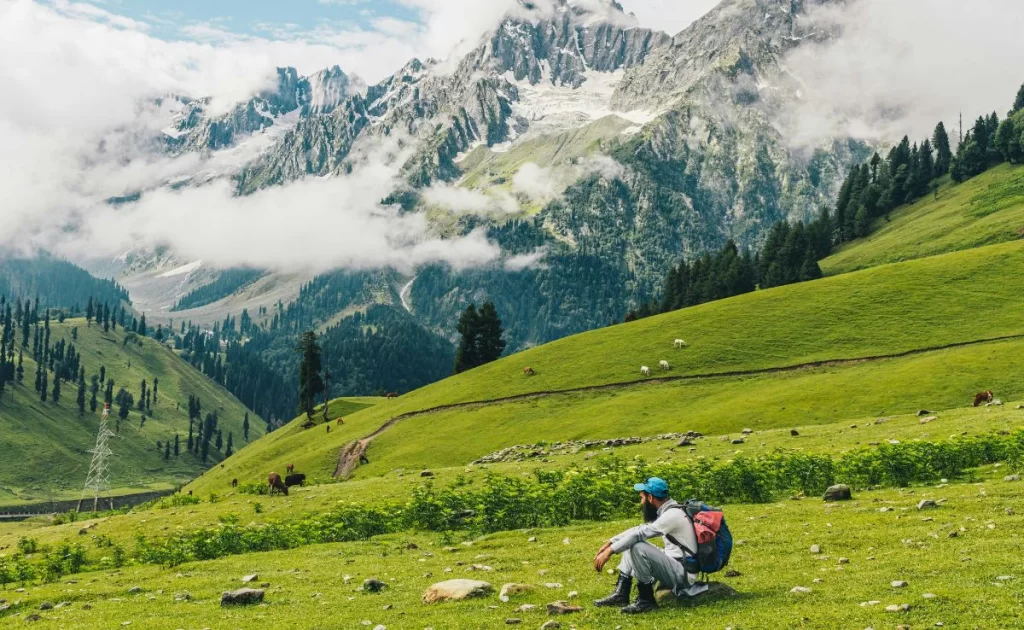
After months of security restrictions, authorities in Jammu and Kashmir have reopened 14 major tourist destinations. The move follows a detailed security review after last year’s terror attack in Pahalgam.
On Monday, Lieutenant Governor Manoj Sinha announced the decision. First, officials assessed ground conditions. Then, security agencies shared their inputs. Finally, the administration approved the reopening.
The Lieutenant Governor’s office shared the update on social media. It said authorities took the step after consultations with security forces and local officials. The government stressed that safety remains the top priority.
Earlier, officials had closed several tourist sites as a precaution. They took this step after militants killed 25 tourists and one local resident in April last year. The attack shocked the country. It also hurt the region’s tourism sector.
Now, the administration aims to restore confidence.
According to officials, 11 tourist spots in the Kashmir division have reopened. These include Yousmarg and Doodhpathri in Budgam. They also include Dandipora Park in Kokernag. Peer Ki Gali, Dubjan, and Padpawan in Shopian have reopened as well.
In Srinagar, Astanpora and the Tulip Garden have resumed operations. Thajwas Glacier in Ganderbal has also reopened. Hung Park and the Wular–Watlab area in Baramulla have joined the list.
At the same time, authorities reopened three sites in the Jammu division. These include Devi Pindi in Reasi. They also include Mahu Mangat in Ramban and Mughal Maidan in Kishtwar. Officials said visitors can access these places immediately.
However, some destinations still remain closed.
Three sites in the Kashmir division—Gurez, Athwatoo, and Bangus—will reopen after snow clearance. In the Jammu region, Ramkund in Ramban will also reopen later. Officials said weather conditions currently limit safe access.
Meanwhile, tourism officials have started fresh preparations. They have deployed additional security personnel. They have installed monitoring systems. They have also increased coordination with local police.
Local businesses welcomed the move.
Hotel owners said bookings had dropped sharply after the attack. Tour operators said many travelers cancelled trips. Shopkeepers reported heavy losses. Now, they expect gradual recovery.
Last year, the administration reopened 12 destinations in phases. These included Aru Valley and Padshahi Park. Rafting Point Yanner and Akkad Park also reopened earlier. Kaman Post near the Line of Control later welcomed visitors under strict guidelines.
Officials say the current step builds on that progress.
Earlier this month, Union Home Minister Amit Shah visited the region. During his trip, he called for aggressive promotion of tourism. He urged officials to showcase Kashmir and Jammu globally. He also stressed the need for strong security support.
Security agencies continue regular reviews. They monitor movement in sensitive zones. They share updates with civil authorities. They adjust deployment based on intelligence inputs.
At the same time, the government plans new tourism campaigns. Officials want to attract domestic and international travelers. They aim to highlight natural beauty, adventure sports, and cultural heritage.
In conclusion, the reopening of 14 tourist spots marks a key step toward normalcy. The administration wants to balance security with economic revival. It seeks to rebuild trust among visitors. It also hopes to revive livelihoods linked to tourism.
For now, authorities say they will remain alert. They will review the situation regularly. And they will expand access only when safety allows.