Iran signals talks as protests turn deadly; Trump weighs military options after death toll crosses 500
Tehran/Washington – Protests in Iran intensified over the past two weeks as anger over inflation and a collapsing rial spilled onto the streets. The unrest turned deadly. Rights groups now place the death toll above 500. At the same time, US President Donald Trump said Washington is weighing military options. He also said Tehran wants to negotiate.
First, human rights monitors released fresh figures. The US-based Human Rights Activists News Agency reported that at least 538 people have died since the protests began. The count includes 490 protesters and 48 security personnel. Activists inside and outside Iran compiled the numbers. They cited hospital data, local networks, and eyewitness accounts.
Next, arrests surged. Rights groups said security forces detained more than 10,600 people during the unrest. Authorities carried out raids across major cities. Police and paramilitary units targeted protest hubs. Families reported missing relatives.
Meanwhile, the protests continued to spread. Demonstrators gathered in Tehran, Mashhad, Isfahan, and Shiraz. They protested soaring prices, job losses, and currency collapse. Many chanted against the political leadership. Videos shared online showed crowds defying curfews and checkpoints.
In response, Iranian authorities tightened their grip. State media accused foreign powers of fueling the unrest. Officials blamed the United States and Israel. They linked the protests to what they called “terrorist actions.” They also referenced last year’s 12-day war with Israel to support their claims.
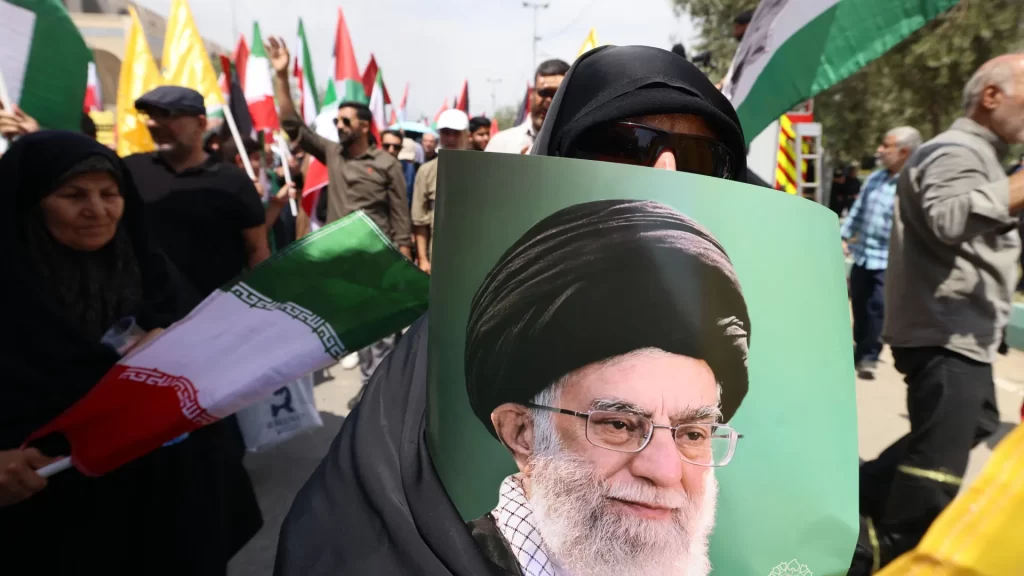
Then, the government called for counter-protests. Officials urged supporters to rally against alleged foreign interference. Pro-government marches appeared in several cities. State television aired images of crowds waving flags and chanting slogans.
Across the Atlantic, Washington reacted sharply. President Trump addressed reporters aboard Air Force One on Sunday. He said the situation crossed a line. He pointed to civilian deaths. He questioned Iran’s leadership. He said the US military is reviewing strong options.
Trump also said Iran reached out. He told reporters that Iranian leaders called to seek talks. He said officials are setting up a meeting. He added that Tehran wants to negotiate after US warnings. However, he also issued a caution. He said the US may act before any meeting takes place.
At the same time, global reactions grew louder. Protests erupted in several countries in support of Iranians. Demonstrators gathered in Germany, the United States, and other nations. They accused Tehran of mass killings. They demanded international pressure.
In Los Angeles, tensions flared during one such rally. A U-Haul truck attempted to speed toward the protest crowd. Police intercepted the vehicle several blocks away. Officers surrounded the truck. Protesters then confronted the driver. Authorities moved quickly to prevent injuries.
Back in the Middle East, voices from exile joined the debate. Reza Pahlavi, the exiled prince and son of Iran’s last Shah, issued a public appeal. He urged security forces to side with protesters. He asked them to reject violence. He framed the moment as a moral choice.
Pahlavi posted his message on social media. He addressed state employees and armed forces. He said they must either support the people or enable repression. His message followed warnings from rights groups about mass killings.
As events unfold, uncertainty dominates. Iran faces mounting internal pressure. The economy continues to strain households. The streets remain tense. International scrutiny continues to rise.
In conclusion, Iran stands at a crossroads. Protesters demand relief and change. Authorities push back with force and blame. Washington signals both talks and threats. The coming days may decide whether diplomacy prevails or conflict deepens.