Iran protests widen as Trump issues warning and Tehran counters with stark threat
Iran enters a tense phase. Protests grow. Tempers rise. Leaders trade sharp words. The crisis deepens by the hour.
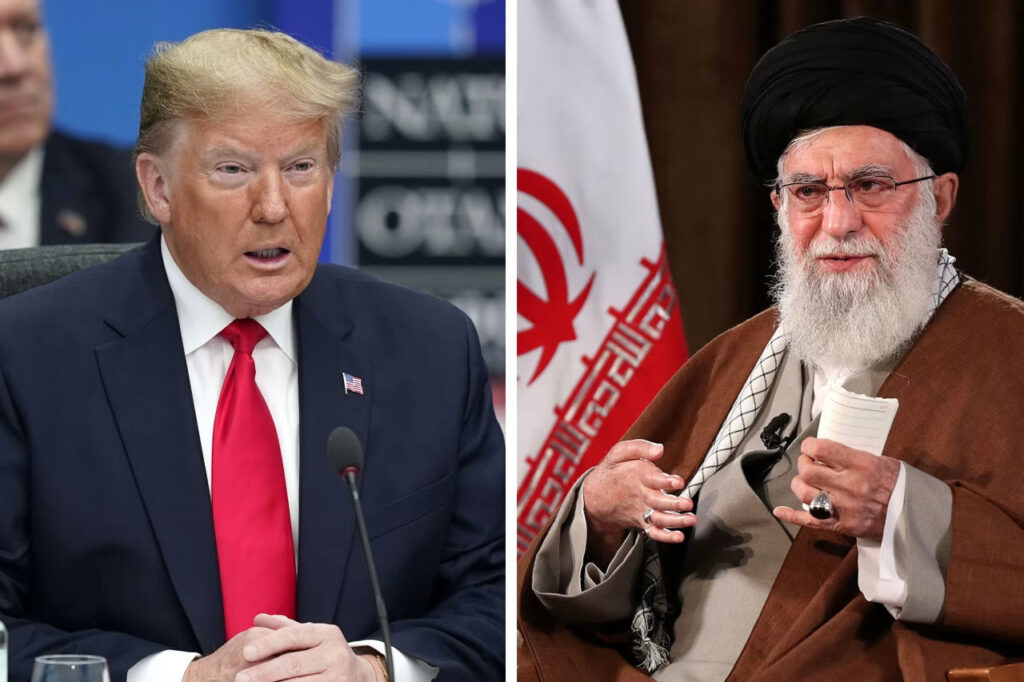
US President Donald Trump issues a warning. He says the US will step in if Iran uses lethal force against peaceful protesters. He posts the message on Truth Social. He writes that the US stands “locked and loaded” and “ready to go.” His words draw global attention. Markets watch. Diplomats react. Washington signals resolve.
Iran answers. A senior adviser to Supreme Leader Ayatollah Ali Khamenei responds. He warns that any US interference will trigger “chaos and destruction” across the region. His tone grows firm. He tells the US to stay away. Tehran frames the unrest as a national matter. Leaders promise strength. Yet they also speak about control and stability.
Meanwhile, streets fill. Protests start in Tehran. Shopkeepers gather. They complain about soaring prices. They question the government’s economic response. The national currency sinks. Families struggle. Inflation bites. Official figures show deep strain. People say groceries cost more each week. Rent climbs. Jobs vanish. Frustration spreads.
Then students join. Universities witness marches. Youth demand answers. They push for economic relief. They ask for accountability. Demonstrations expand to other cities. Markets shut down. Authorities announce a public holiday. Cold weather becomes the stated reason. Yet the closures slow the country. Buses stop. Offices thin out. The atmosphere grows tense.
Clashes erupt in some places. Protesters throw stones. Security forces push back. Vehicles burn. Local media report disturbances. Some people carry weapons. Police seize guns. At least seven people die. Families grieve. Activists document incidents. The anger refuses to fade. The message grows louder: people want relief, dignity, and trust.
Over 24 hours, protests spread across provinces. Videos travel online. Hashtags trend. However, authorities try to keep order. Officers appear on main roads. Leaders call for calm. The civilian government, led by President Masoud Pezeshkian, signals openness to dialogue. He meets advisors. He invites feedback. He says he hears the pain. He promises engagement.
Economics remains the core driver. Years of US and Western sanctions squeeze Iran. Oil revenues shrink. Banks face restrictions. Investment slows. Families absorb the shock. Then regional tensions increase costs. After a 12-day conflict with Israel in June, finances suffer further damage. Public services weaken. Prices climb again. People feel cornered.
Trump’s warning raises geopolitical stakes. Regional allies watch every signal. Gulf states worry about spillover. Europe urges restraint. The United Nations calls for calm. Diplomats fear miscalculation. A single mistake could widen the crisis. Every statement now matters.
Inside Iran, protests evolve. Some groups press for reforms. Others demand immediate relief. Many simply want stability and cheaper food. They want electricity that stays on. They want safer neighborhoods. Above all, they want hope.
Iran stands at a crossroads. Leaders face pressure from the streets. The economy strains. The world watches. Washington and Tehran exchange threats. Yet ordinary people carry the weight. The coming days will decide whether dialogue rises — or confrontation returns.