Iran protests turn deadly as Tehran signals war readiness amid Trump threats
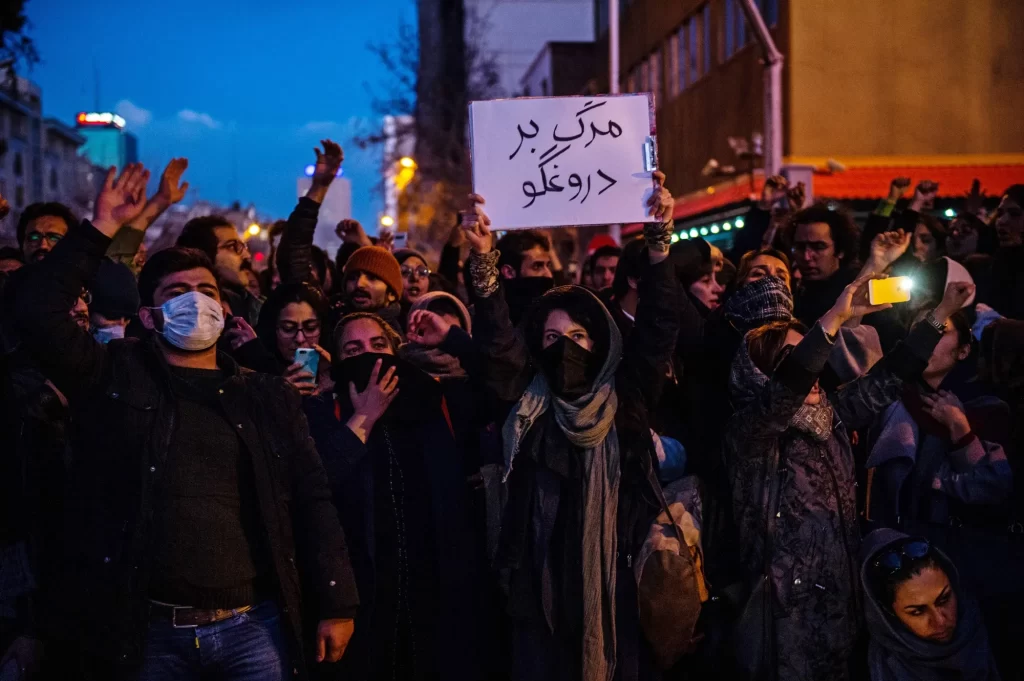
Iran faces its deepest political unrest in decades. Nationwide protests have entered a violent phase. At least 646 people have died so far. Meanwhile, Tehran says it stands ready for war and talks. This warning comes as US President Donald Trump weighs a response and sharpens economic threats.
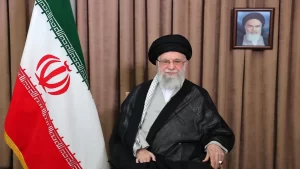
The protests began more than two weeks ago. They started over rising prices and economic stress. Soon after, they spread across cities and towns. Then anger shifted toward Iran’s political system. Demonstrators challenged clerical rule led by Supreme Leader Ali Khamenei. Observers now call this the gravest test since the 1979 Islamic Revolution.
On Monday, Tehran sent mixed signals. On one hand, officials kept communication lines open with Washington. On the other, leaders prepared for confrontation. Foreign Minister Abbas Araghchi said Iran can handle war and negotiations at the same time. He spoke after repeated warnings from Trump about possible military action.
Meanwhile, Trump raised the pressure. Late Monday, he announced a new trade threat. He said any country that does business with Iran will face a 25 percent tariff on exports to the United States. He called the order final. However, he offered no legal details. The White House also stayed silent.
As tensions rose, casualty figures climbed. US-based rights group HRANA reported 646 verified deaths by late Monday. The dead include 505 protesters, 113 members of security forces, and seven bystanders. In addition, the group continues to verify 579 more reported deaths. Authorities have also arrested at least 10,721 people since December 28.
At the same time, Iran tightened control over information. The government imposed a near-total internet blackout. The shutdown has lasted more than three-and-a-half days. Activists say the move aims to hide the scale of the crackdown and block coordination among protesters.
Despite hostility, backchannel talks continue. Foreign ministry spokesman Esmaeil Baghaei confirmed an open communication channel with the Trump administration. He said Araghchi exchanges messages with US Middle East envoy Steve Witkoff when needed. Switzerland continues to represent US interests in Iran due to the lack of formal diplomatic ties.
Beyond politics, the crisis threatens global markets. Iran plays a key role in energy trade. It remains a major oil producer and an OPEC member. According to World Bank data, Iran traded with 147 partners in 2022. Fuel remains its biggest export.
China tops Iran’s trade list. In 2022, Iranian exports to China reached $22 billion. Fuel made up more than half. Imports from China stood at $15 billion. In 2025, China bought over 80 percent of Iran’s shipped oil, according to Kpler data.
India also maintains trade ties. Bilateral trade reached $1.34 billion in the first ten months of 2025. India exports rice, fruits, vegetables, and pharmaceuticals. Turkey follows as another key partner, with two-way trade exceeding $11 billion in 2022. Germany, South Korea, and Japan maintain smaller trade volumes.
Now markets watch closely. Analysts warn that instability in Iran could push oil prices higher. Barclays estimates that unrest has already added $3 to $4 per barrel as a geopolitical risk premium.
In the coming days, pressure will build on all sides. Protesters continue to defy the state. Tehran signals strength and readiness. Washington escalates economic threats. As a result, the standoff now carries regional and global consequences.