Indian Air Force grounds Tejas fleet after fresh crash
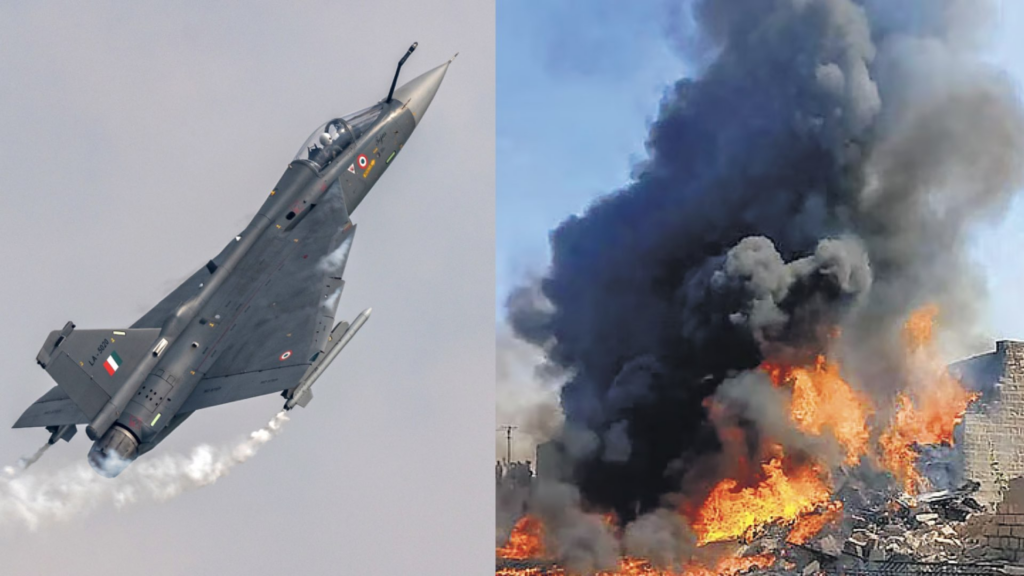
The Indian Air Force has grounded its Tejas fighter fleet after another crash earlier this month. The move follows the loss of a Light Combat Aircraft during a landing at a key air base. Officials have started a detailed technical review across the fleet.
According to sources, the accident occurred in an operational area during a routine training sortie. The indigenously built HAL Tejas returned to base after completing drills. However, trouble surfaced as the jet approached the runway. A suspected onboard system malfunction disrupted the landing sequence. Consequently, the aircraft suffered severe structural damage.
The pilot reacted swiftly. He activated the ejection system and exited the jet safely. Medical teams examined him immediately. He escaped without serious injuries. Meanwhile, engineers secured the crash site and began collecting technical data.
Soon after, the Air Force halted operations of around 30 single-seat Tejas aircraft. Commanders ordered comprehensive inspections. Technical teams will now examine avionics, flight control systems, and other critical components. Officials aim to identify the exact cause before allowing the jets to fly again.
This incident marks the third Tejas loss since induction into active service. Earlier, in March 2024, a Tejas crashed near Jaisalmer during a return flight from a firepower demonstration. The pilot had ejected safely in that case as well. Later, in November 2025, another Tejas went down during an aerobatic display at the Dubai Airshow. That crash claimed the pilot’s life. Investigators continue to examine that incident.
The latest setback adds pressure on the Tejas programme. The aircraft represents India’s push for indigenous defence production. Developed by Hindustan Aeronautics Limited, the Tejas serves as a lightweight multi-role fighter. The Air Force inducted it to replace ageing MiG-21 jets and strengthen squadron strength.
At the same time, delays continue to affect the upgraded Mk1A variant. The Air Force has placed orders for 180 Mk1A fighters. However, deliveries run nearly two years behind schedule. The Mk1A version features improved radar, electronic warfare systems, and advanced maintenance support. Officials expect it to enhance combat readiness once it enters full service.
Given the recent crash, safety checks now take priority. Engineers will review maintenance logs and flight data. They will also inspect supply chains and component reliability. Senior commanders want a clear assessment before resuming operations.
So far, the Air Force has not released an official public statement on the accident. However, internal reviews continue at multiple levels. Defence analysts note that grounding a fleet reflects caution rather than crisis. Air forces worldwide adopt similar measures after major incidents.
Nevertheless, repeated accidents raise concerns about operational readiness. The Air Force faces squadron shortages and rising regional security challenges. Therefore, it must balance safety checks with mission preparedness.
For now, technicians focus on restoring confidence in the fleet. The outcome of the probe will determine the timeline for resuming flights. Until then, the Tejas aircraft will remain on the ground as investigators search for answers.