India faces tough questions as Shubman Gill struggles in T20 comeback
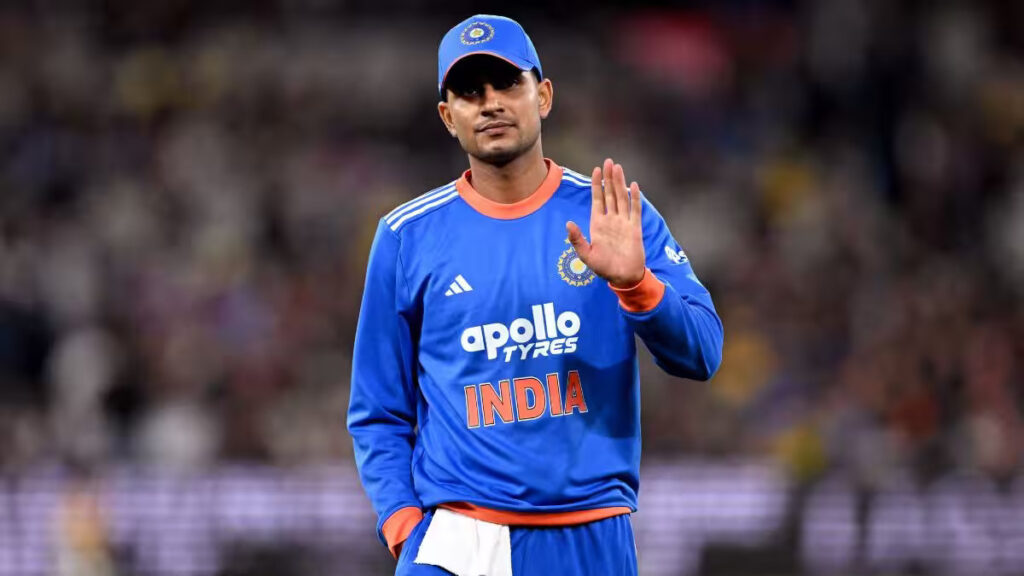
India continues to push Shubman Gill as the poster-boy of this generation. Yet the team pays a heavy price for this rush. The selectors want Gill to lead the future. However, recent matches show that this plan comes with cracks.
First, let’s look at the background. Gill returned to international T20 cricket after 13 months. He came back with huge expectations. The management saw him as the next big Indian cricket icon. Moreover, they believed he could follow the legacy of MS Dhoni, Virat Kohli and Rohit Sharma. But the numbers tell a different story.
Gill scored only 263 runs in 15 innings across three countries. He averaged 21.92 with a strike-rate of 115.56. He also failed to look secure at the crease. His first-ball duck against South Africa in New Chandigarh deepened concerns.
Meanwhile, his form in other formats presents a sharp contrast. He scored well in Tests at No. 4. Yet in ODIs, he collected only 43 runs in three matches. His 2020 MCG heroics still shine in memory, but recent limited-overs outings do not match that promise.
Next, consider the timeline of decisions. The coach, Gautam Gambhir, rested Gill after the Sri Lanka tour in July 2024. Then Rohit Sharma retired from Test cricket. The management quickly turned to Gill. They made him Test captain. Soon after, they handed him the ODI captaincy too. In T20s, they named him Suryakumar Yadav’s deputy. The message became obvious—Gill would eventually lead India across formats.
This push created problems. To fit Gill at the top of the T20 order, the selectors broke the successful opening pair of Abhishek Sharma and Sanju Samson. They pushed Samson down the order. Later, they removed him from the XI. Samson became the collateral damage of India’s long-term Gill project.
Samson had every reason to feel disappointed. He struck three T20I hundreds in five innings last year. He looked consistent. Still, the management prioritised Gill. Samson struggled out of position and lost his place. Gill, on the other hand, failed to score but kept his spot. This imbalance raised serious questions.
Now, the management faces a dilemma. They placed too much responsibility on Gill too soon. He carries expectations of captaincy, consistency and leadership—often all at once. He also admitted to mental fatigue after months of constant travel. His neck spasms in November hint at stress from heavy workload and tight schedules.
Gill has the skill to bounce back. His class remains unquestioned. Even so, India must ask whether they are helping him grow or overwhelming him. They must also ask whether the team suffers as they wait for him to settle.
Gambhir once said that Indian cricket belongs to 140 crore people. Now those same people want answers. They want to know if India should slow down, rethink roles and protect both Gill and the team from long-term damage.