India backs inclusive Bangladesh as PM Narendra Modi congratulates Tarique Rahman on BNP’s election victory
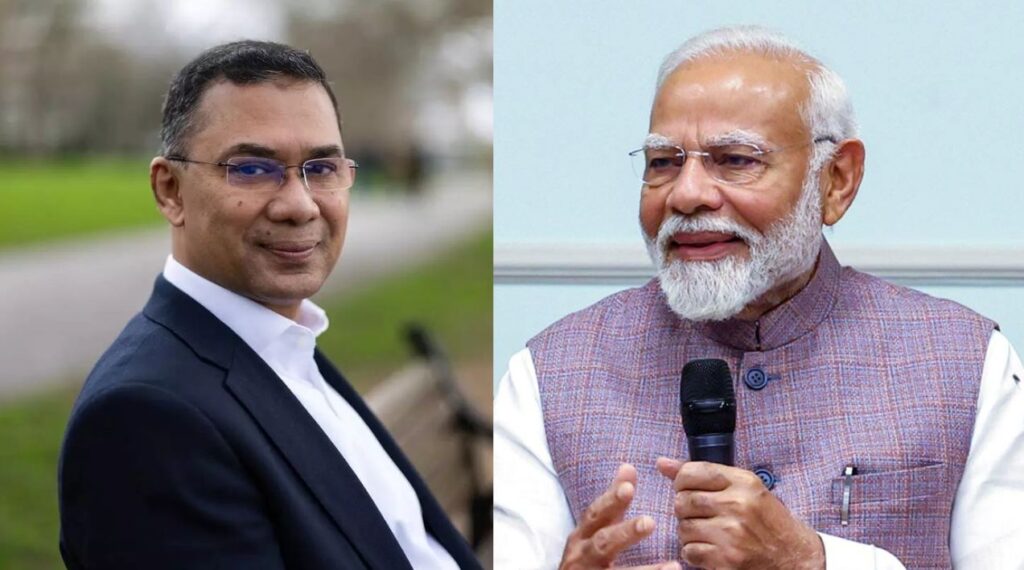
Prime Minister Narendra Modi on Friday congratulated Tarique Rahman after the Bangladesh Nationalist Party secured a sweeping victory in Bangladesh’s parliamentary elections. The result marks a major political shift in the neighboring country and signals the beginning of a new chapter in India-Bangladesh relations.
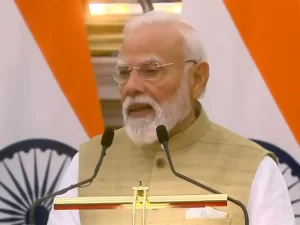
Modi shared his message on X soon after early trends confirmed BNP’s strong lead. He praised Rahman’s leadership and highlighted the public mandate behind the party’s success. He said the victory reflected the trust of the Bangladeshi people in Rahman’s vision and direction.
Moreover, Modi reaffirmed India’s commitment to democratic values in the region. He stated that India would continue to support a progressive, inclusive, and stable Bangladesh. He also expressed readiness to work closely with the new leadership. According to him, both countries can strengthen cooperation and pursue shared development goals.
Meanwhile, election authorities continued counting votes across constituencies. As results emerged, BNP and its allies crossed the majority mark. By late Friday, the alliance had secured 177 seats. Officials had completed counting in 237 constituencies. They were still counting votes in the remaining 62 seats.
At the same time, opposition groups also made gains. Jamaat-e-Islami and its allies won 53 seats, according to preliminary data. These numbers reflected a fragmented but competitive political landscape.
Significantly, this election marked the first national vote since the 2024 student-led uprising. That movement had forced the resignation of former Prime Minister Sheikh Hasina. Protesters had accused her government of authoritarian practices and economic mismanagement. After weeks of unrest, she stepped down, paving the way for fresh elections.
Consequently, voters approached this election with high expectations. Many hoped for political stability, institutional reform, and economic revival. Analysts noted strong turnout in urban and semi-urban areas. They also observed renewed participation from young voters, who played a key role in last year’s protests.
Furthermore, BNP focused its campaign on governance, employment, and civil liberties. Rahman promised transparent administration and inclusive growth. He also pledged to restore public confidence in democratic institutions. These promises appeared to resonate with voters across regions.
From India’s perspective, the result carries strategic importance. Bangladesh remains a key partner in trade, security, and connectivity. Over the past decade, both countries expanded cooperation in energy, transport, and border management. Therefore, New Delhi closely monitored the election process.
In his message, Modi emphasized continuity in bilateral ties. He stressed mutual respect and shared interests. He also underlined the importance of regional stability in South Asia. Diplomatic sources said both governments may soon begin talks on infrastructure projects and cross-border trade.
Meanwhile, regional leaders and international observers welcomed the peaceful conduct of the polls. They urged the new government to protect democratic norms and minority rights. Civil society groups also called for dialogue and reconciliation.
As counting nears completion, attention now shifts to government formation. BNP leaders have started internal consultations. They are expected to announce key appointments in the coming days.
Overall, the election reflects a major transition in Bangladesh’s political journey. With a strong mandate, Rahman now faces high public expectations. At the same time, India’s early outreach signals readiness for close engagement. Together, both sides aim to build a stable, democratic, and inclusive future.