ICC welcomes Pakistan’s return to India clash, reaffirms commitment to global cricket
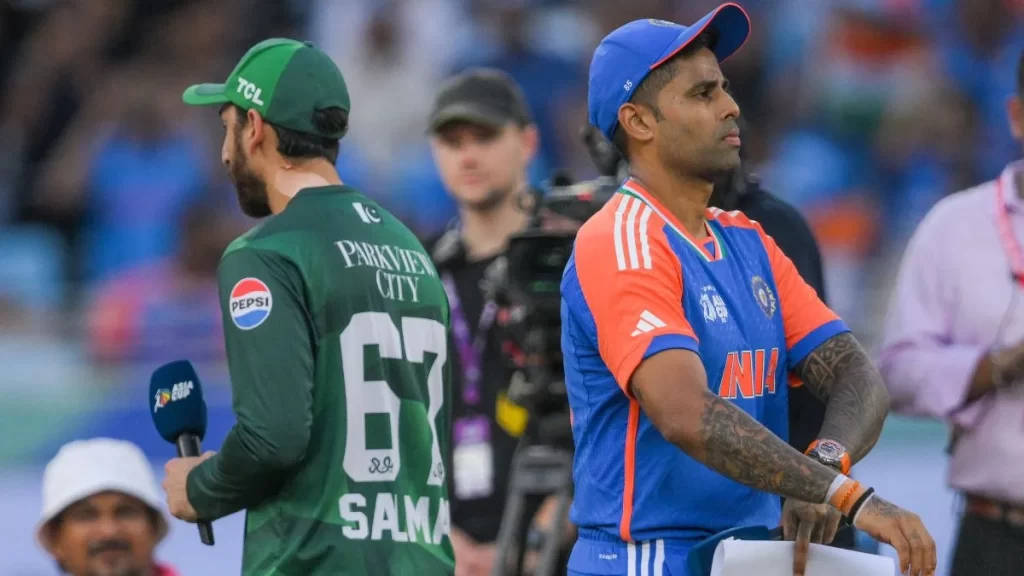
The International Cricket Council reacted swiftly after Pakistan reversed its earlier stand and agreed to play India in the ICC Men’s T20 World Cup. The decision cleared the way for the high-profile Group A match on February 15, 2025, at the R Premadasa Stadium in Colombo. As a result, fans, broadcasters, and officials received long-awaited clarity.
Earlier, the Government of Pakistan had asked its men’s team to avoid the fixture against India. However, within eight days, authorities changed course. This shift followed direct talks between an ICC delegation and Pakistan Cricket Board chairman Mohsin Naqvi. During these meetings, both sides discussed the future of the tournament and the wider interests of the sport.
Soon after the reversal, Pakistan’s government explained its move. Officials said they wanted to protect the spirit of cricket. They also stressed the need to support continuity in the global game. Therefore, they allowed the team to honor the original schedule.
Meanwhile, the ICC issued a detailed statement late on Monday night. The governing body confirmed that it held discussions with the PCB on February 8. According to the ICC, these talks formed part of a broader engagement. The aim, officials said, focused on unity, cooperation, and shared responsibility.
The ICC stressed that all members must respect their commitments. It added that every board should act in good faith. Furthermore, it urged stakeholders to work together to ensure the success of the ongoing T20 World Cup. In this context, the council highlighted values such as integrity, neutrality, and mutual respect.
At the same time, the ICC addressed concerns surrounding Bangladesh. Earlier, Bangladesh had declined to travel to India for security reasons. As a result, tournament organizers replaced the team with Scotland. This decision raised questions about possible sanctions.
However, on Monday, the ICC clarified its position. It confirmed that Bangladesh would not face any penalties. Instead, the council promised continued support for cricket in the country. Officials described Bangladesh as one of the sport’s most vibrant markets, with more than 200 million passionate fans.
In addition, the ICC announced that Bangladesh would host an international event before the 2031 Men’s Cricket World Cup. Through this move, the council aimed to safeguard the long-term growth of the game in the region. It also sought to ensure that Bangladesh’s absence from the 2026 tournament would not harm its cricketing future.
Notably, Bangladesh Cricket Board president Aminul Islam attended the key meeting with ICC officials and Mohsin Naqvi. During the discussions, both the PCB and BCB presented their demands. They also urged the ICC to address administrative and security concerns.
Soon after this meeting, the ICC released another statement. This move signaled a possible breakthrough. Observers viewed it as a turning point that encouraged Pakistan to reconsider its stance. Broadcasters and sponsors also welcomed the development, given the commercial value of India-Pakistan matches.
Later, the BCB chief publicly urged Pakistan to play India. This appeal marked the first visible sign of Pakistan’s softening position. Eventually, Islamabad approved participation, ending weeks of uncertainty.
Overall, the episode highlighted the ICC’s growing role as a mediator. Through dialogue and pressure, it ensured compliance with tournament commitments. More importantly, it reinforced the message that cricket thrives on cooperation. As the World Cup continues, officials now hope that stability will replace controversy and that the focus will return to the game.