ICC rejects Bangladesh plea to shift T20 World Cup games from India
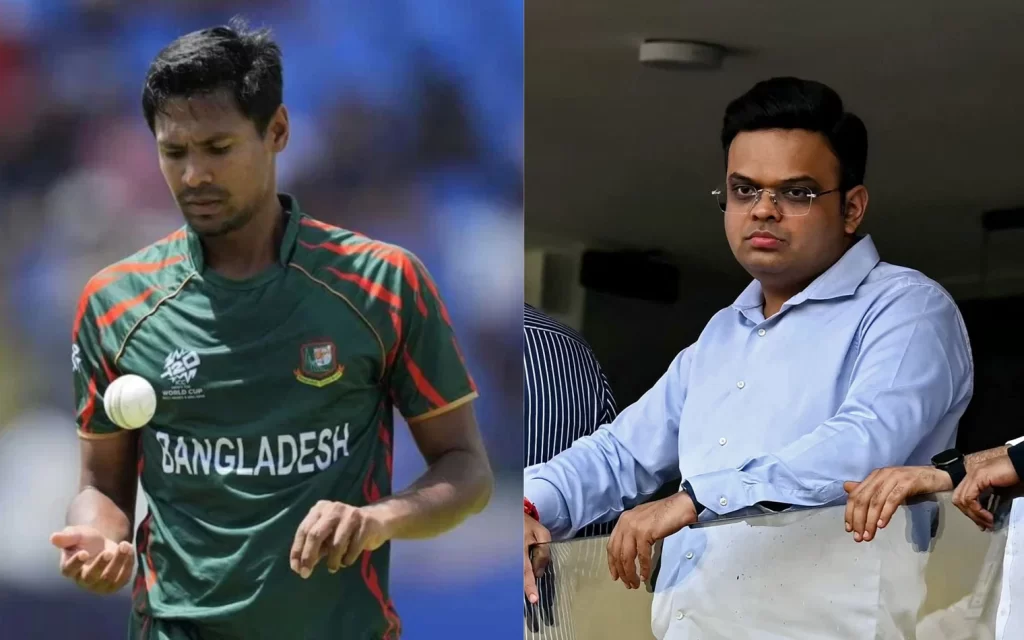
The International Cricket Council took a firm line. It rejected Bangladesh’s request to move its T20 World Cup matches out of India. The ICC delivered the message during a virtual meeting with the Bangladesh Cricket Board. Moreover, it told Bangladesh to travel to India or accept the loss of points. The council stood by the schedule. It also stood by the chosen venues.
The ICC also reminded Bangladesh of the stakes. If the team skips games, it risks forfeiting results. However, Bangladesh officials say they still wait for formal paperwork. They want clarity before announcing their next step.
This dispute did not start overnight. First, relations between the BCB and the BCCI turned tense. The strain grew after the BCCI told Kolkata Knight Riders to end Mustafizur Rahman’s IPL stint. Indian officials cited “developments all around.” Political outrage in India over reports of violence in Bangladesh added heat. Consequently, the conversation around cricket shifted into politics.
Then the BCB acted. It held an emergency meeting. It studied security concerns. It wrote to the ICC and flagged risks for its players in India. It also cited precedent. BCB director Faruque Ahmed pointed to Pakistan’s hybrid-model participation in past events. He argued that the ICC can adapt when circumstances demand flexibility.
Meanwhile, Bangladesh took another step. It banned the telecast of the upcoming IPL season at home. The move sent a signal. The board wanted to show firmness, both to its players and its public. Ahmed later said politics had invaded cricket. He also said both boards needed restraint and maturity.
On the other side, the ICC sought stability. It insisted on one schedule. It insisted on equal rules for every team. It also stressed tournament integrity. According to officials, sudden venue changes disrupt logistics, security plans, and broadcast agreements. Therefore, the ICC chose continuity over compromise.
At the same time, Mustafizur kept playing. He joined the Pakistan Super League soon after leaving the IPL. His move underlined a larger truth. Players adapt fast. Boards, however, move slower and argue longer.
Still, uncertainty lingers. Bangladesh has not announced its final decision. It can travel and play. Or it can challenge the ICC further and risk points. The board says it wants to protect players. The ICC says it wants to protect the tournament.
Looking ahead, both sides need dialogue. India hosts a major global event. Bangladesh wants credible assurances. Fans want cricket, not boardroom battles. And players want clarity.
In the end, the ICC drew a line. It rejected the request. It kept the schedule intact. Now the next move sits with Bangladesh. The choice looks stark: play in India, or pay the price on the table. However, diplomacy can still change the tone. If both sides step back from brinkmanship, the game can regain center stage. Until then, the story shows how sport, politics, and security often collide — and how calm decision-making matters most.