Hotel politics, thin margins and war of words: How the Mumbai Mayor battle turned dramatic
The race for the Mumbai mayor’s post has reignited Maharashtra’s trademark political theatre. This time, tight numbers, hotel stays and sharp barbs shape the contest inside the Brihanmumbai Municipal Corporation (BMC), India’s richest civic body.
First, the BJP emerged as the single-largest party in the 227-member BMC with 89 seats. Next, the Shiv Sena led by Eknath Shinde secured 29 seats. Together, the Mahayuti alliance reached 118 — just four above the halfway mark of 114. Therefore, every vote now carries weight.
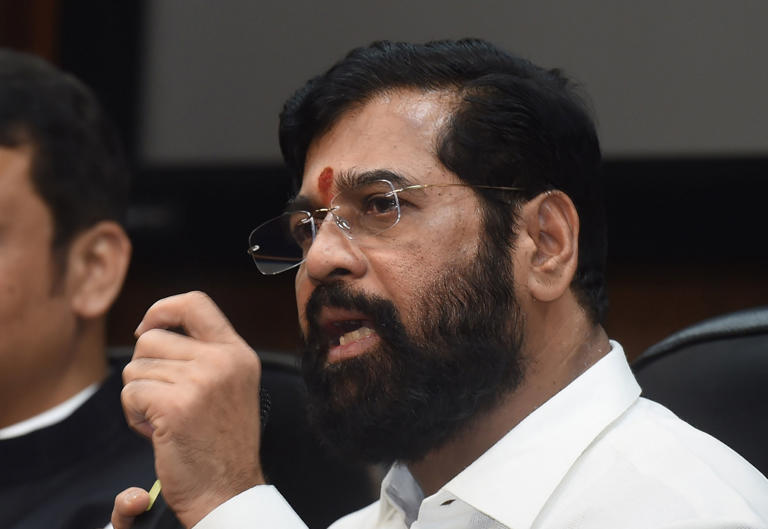
Soon after results, Deputy Chief Minister Eknath Shinde gathered his newly elected corporators at Taj Land’s End in Bandra. On Sunday night, he addressed the group and declared that Mumbai would soon get a Mahayuti mayor. He also predicted similar outcomes in nearby civic bodies.
Officially, Shinde Sena leaders described the hotel stay as a three-day training session. They argued that 20 of their 29 corporators entered civic politics for the first time and required orientation before formal registration. However, rivals quickly questioned that explanation.
Because margins remain razor-thin, even one defection could upset the mayoral vote. Consequently, political observers believe the hotel move aims to prevent poaching. Sena insiders quietly admit they want to keep the flock together until the voting concludes.
Meanwhile, the opposition Shiv Sena (UBT) alleged that the Bandra gathering hides negotiations with the BJP over who would claim the mayor’s chair. MP Sanjay Raut intensified the attack and likened the Taj hotel to a “jail” where corporators remain confined.
Raut argued that Shinde, despite holding the deputy CM’s office, fears losing support and therefore isolates his elected members. He demanded their “release” and accused the ruling bloc of manipulating the mandate through pressure tactics.
Shinde responded swiftly and rejected the claims. He asserted that his party stands united and fearless. At the same time, he suggested that some opposition corporators may vanish before voting day instead.
Industry Minister Uday Samant echoed Shinde’s remarks. He hinted that abstentions or cross-voting could surprise the opposition. Such comments further sharpened tensions across party lines.
The mayor’s post holds symbolic and administrative power. Corporators elect the mayor through an internal vote, and the ruling alliance usually decides the candidate. Although Mahayuti holds the majority, its slim cushion keeps uncertainty alive.
Opposition leaders pointed out that a hypothetical united front of Sena (UBT), Congress, MNS and smaller parties would still trail the ruling side, but by a narrow gap. Hence, they continue to monitor every political shift closely.
Within the Shinde camp, leaders stressed that the alliance contested the election jointly. Therefore, they argued that every partner deserves a fair claim to the top civic post. Party sources also invoked Bal Thackeray’s upcoming birth centenary to strengthen their symbolic pitch.
However, BJP leaders privately expressed disappointment. The party had set aggressive targets before polls but failed to secure a standalone majority. They blamed coordination gaps, candidate selection issues and the opposition’s strong regional narrative.
Despite losing control, Uddhav Thackeray kept hopes alive. He remarked that his party could still produce a mayor “if God wills.” The comment prompted Chief Minister Devendra Fadnavis to respond jokingly and question whether Thackeray referred to divine help or political arithmetic.
Finally, opposition leaders reiterated that a united Shiv Sena vote would have surpassed the BJP tally. Yet for now, numbers favour Mahayuti. As the mayoral vote approaches, guarded corporators and fragile alliances continue to define Mumbai’s political spotlight.