Hindu man killed in Bangladesh, second attack in 24 hours
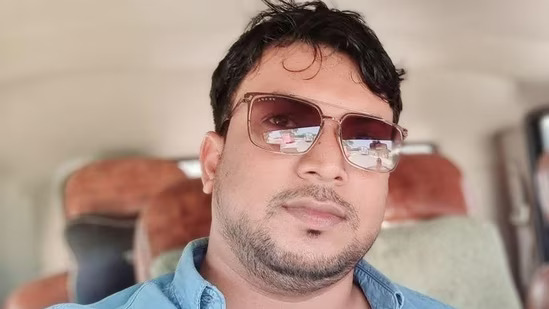
A fresh wave of fear grips Bangladesh. A Hindu shopkeeper died after attackers struck him late Monday in Narsingdi. Police identified him as Sarat Mani Chakraborty, aged 40. According to local reports, men armed with sharp weapons confronted him near his grocery store. The assault turned brutal. Family members rushed him to a hospital. Doctors could not save him.
Meanwhile, violence escalated in another district. Hours earlier, gunmen ambushed Rana Pratap in Jashore. He ran an ice factory and edited a local paper. Witnesses say a group called him outside, led him into a narrow lane, and opened fire. The shooters then slit his throat and fled on a motorcycle. Police recovered several spent shells beside his body. Investigators question nearby residents. Officers also examine his pending legal disputes to assess motive.
Therefore, communities fear a trend. Two killings in one day have deepened anxiety among minorities. Hindu groups call for stronger protection. They also demand swift trials.
However, the pattern did not start this week. In recent months, attackers have targeted Hindus across multiple districts. On Saturday, two men assaulted a Hindu woman in Jhenaidah. They demanded money, tied her to a tree, and humiliated her while filming the attack. Neighbors heard her cries and rushed her to treatment. Police opened a case and began tracing the suspects.
Earlier, another shocking incident shook villagers near Dhaka. Men ambushed Khokon Chandra Das on his way home. He ran a medicine shop and handled mobile banking services. The assailants doused him and lit the fire. Khokon jumped into a pond and survived the flames for a short time. Doctors fought to stabilize him. He died later from severe injuries. His family now seeks justice.
Additionally, gun violence struck Mymensingh. A colleague shot and killed security worker Bajendra Biswas at a garment unit. Authorities detained the shooter and launched an inquiry. Relatives say Bajendra supported several dependents and served his unit with dedication.
Lynchings also raised alarms. Mobs attacked two Hindu men in separate incidents over accusations of extortion and blasphemy. Crowds beat them, torched their bodies, and circulated footage. Human-rights advocates warned that hate speech and rumor networks encourage such brutality.
As these cases accumulate, pressure grows on Bangladesh’s interim government. Critics accuse extremists of exploiting political uncertainty. Minority leaders say many families now avoid travel after sunset. They also report rising threats, extortion attempts, and land disputes.
Across the border, India reacted. New Delhi expressed grave concern about relentless hostility toward minorities in Bangladesh. Officials cited hundreds of attacks, including killings, arson, and property grabs. They urged Dhaka to protect citizens, prosecute offenders, and rebuild trust.
Meanwhile, diplomats quietly track developments. Regional analysts say stability in Bangladesh matters for trade, migration, and security ties. Persistent violence could inflame tensions and fuel misinformation. Therefore, they call for clear communication, community outreach, and coordinated policing.
For now, families mourn and demand answers. Investigators interview witnesses. Activists document cases and counsel victims. Clerics urge restraint and unity.
Still, fear lingers in villages and towns. Many people lock shops earlier. Parents escort children to school. Everyone watches the news and hopes for relief. Until authorities break the cycle and secure convictions, minorities expect more danger, not less.