
Gujarat forms 5-member panel led by ex-SC judge for UCC draft
The Gujarat government formed a five-member panel on Tuesday to draft the Uniform Civil Code (UCC). Retired Supreme Court judge Ranjana Desai will lead the committee, which will submit its report in 45 days. Based on the findings, the government will decide on the law.
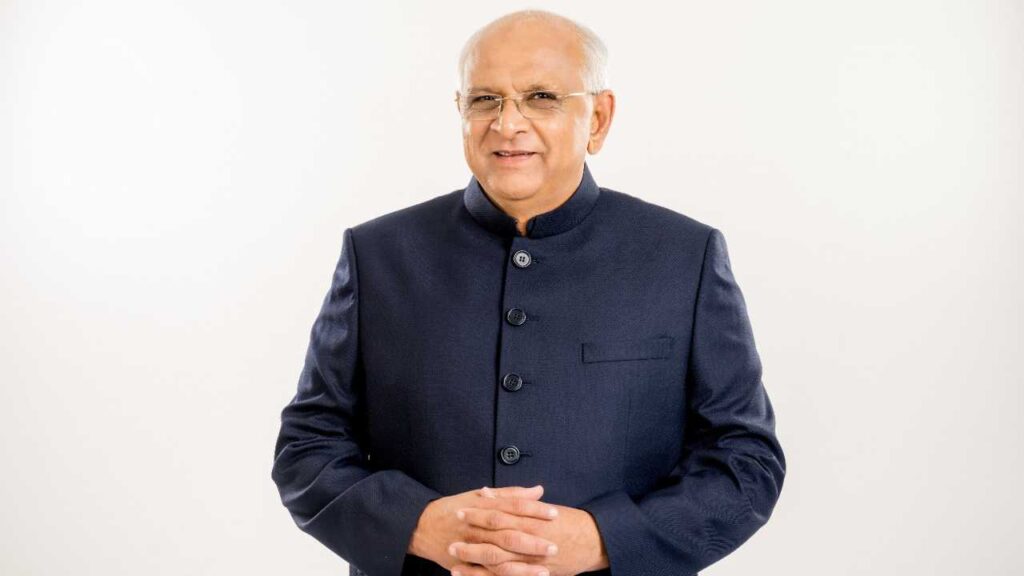
Chief Minister Bhupendra Patel highlighted the Constitution’s role in ensuring equal rights. He linked the UCC initiative to Prime Minister Narendra Modi’s vision of national unity. “We are celebrating 75 years of the Constitution under Modi Ji’s leadership. His goal is to implement the Common Civil Code nationwide,” Patel said.
Patel referenced key reforms like Article 370’s revocation and the Triple Talaq ban. He emphasized Gujarat’s commitment to fulfilling these promises. “Gujarat is working to uphold Modi Ji’s resolve for equal rights and opportunities,” he added.
The committee includes retired IAS officer CL Meena, advocate RC Kodekar, educationist Daxesh Thakar, and social worker Gita Shroff. The panel will draft a framework for the UCC, ensuring uniform marriage and divorce laws.
Uttarakhand became the first state to implement the UCC on January 27. The new law applies to all residents, regardless of religion. It bans polygamy and child marriage while exempting certain Scheduled Tribes.
The UCC simplifies legal processes for marriage and promotes social harmony. It mandates marriage registration within 60 days but does not invalidate unregistered marriages. The law sets 21 as the legal marriage age for men and 18 for women. It also restricts marriages within prohibited relationships.
Marriages conducted between March 26, 2010, and the UCC’s implementation must be registered within six months. Older marriages can also register voluntarily if they meet legal criteria. Those already registered need only provide acknowledgment.
Gujarat’s move aligns with national efforts to unify civil laws. The government aims to ensure legal clarity, equal rights, and streamlined marriage procedures through the UCC.