“Gautam Gambhir is not a coach”: Kapil Dev reframes the head coach’s role amid criticism
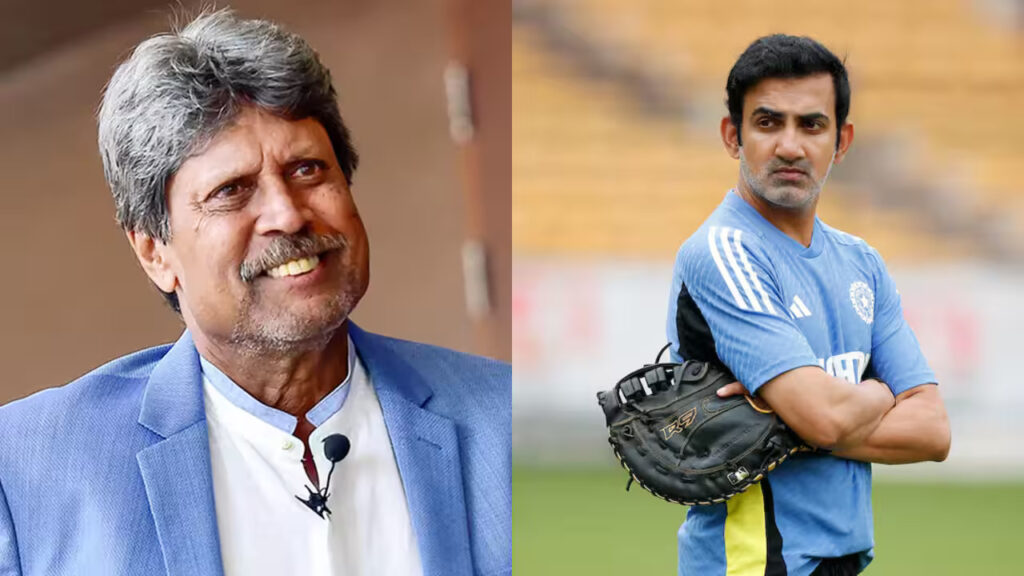
Kapil Dev has stirred a fresh debate in Indian cricket. On Thursday, the 1983 World Cup–winning captain questioned the very idea of coaching at the highest level. He spoke at a time when pressure continues to mount on India head coach Gautam Gambhir after recent setbacks.
India lost the Test series 0–2 in South Africa. That defeat triggered sharp criticism. Observers questioned constant player rotation. They also flagged the use of part-time bowlers. As scrutiny grew, Kapil stepped in with a blunt assessment. He said modern cricket does not need a traditional coach. Instead, it needs a manager.
Kapil made his remarks at the Indian Chamber of Commerce’s ICC Centenary Session. He said people misunderstand the word “coach” today. He argued that elite players already master their skills long before they reach the international stage. Therefore, he said, no head coach can truly “teach” them.
Kapil stated his view clearly. He said Gautam Gambhir cannot act as a coach in the classical sense. He said Gambhir can manage the team. He stressed that management, not instruction, defines the job now.
Then Kapil drew a sharp contrast. He spoke about his early days. He recalled school and college coaches. Those figures taught technique. They shaped fundamentals. However, international cricket works differently. Players arrive as finished products.
Kapil expanded his argument with examples. He asked how a head coach can coach a specialist leg-spinner. He raised the same point about wicketkeepers. He questioned the logic of one former batter coaching experts across disciplines. Through this, he reinforced his belief that motivation matters more than mechanics.
According to Kapil, encouragement drives performance at the top level. A manager must instill belief. He must offer reassurance. He must create trust. Young players, Kapil said, look up to senior figures for confidence, not lessons.
Next, Kapil shifted focus to leadership responsibility. He said a captain or manager must provide comfort. That comfort becomes vital when form dips. Pressure builds fast in international cricket. At that point, words matter. Support matters.
Kapil then reflected on his own captaincy. He said he never chased performers after big scores. Instead, he focused on players who struggled. He preferred to sit with them. He preferred to talk to them. He wanted to lift their spirits.
He explained his thinking simply. Players who score runs already feel confident. They do not need extra praise. Players who fail need reassurance. They need belief from the leadership group. Kapil said that belief often turns form around.
Through this lens, Kapil defined leadership as emotional management. He said performance alone does not define a captain’s role. Team harmony does. Unity does. Confidence does.
These comments arrive at a sensitive moment. Gambhir faces questions about his methods. Critics debate selection calls. They question tactical risks. Kapil did not directly defend those decisions. However, he reframed the conversation.
He shifted the spotlight from tactics to temperament. He argued that modern cricket demands calm leadership. It demands empathy. It demands clarity of roles.
In doing so, Kapil delivered a simple message. In today’s game, the head coach acts less like a teacher. He acts more like a guide. He manages personalities. He protects confidence. He holds the team together.
As India searches for answers after defeat, Kapil’s words add a new perspective. The debate now moves beyond results. It turns toward leadership philosophy.